
Filters
205 products




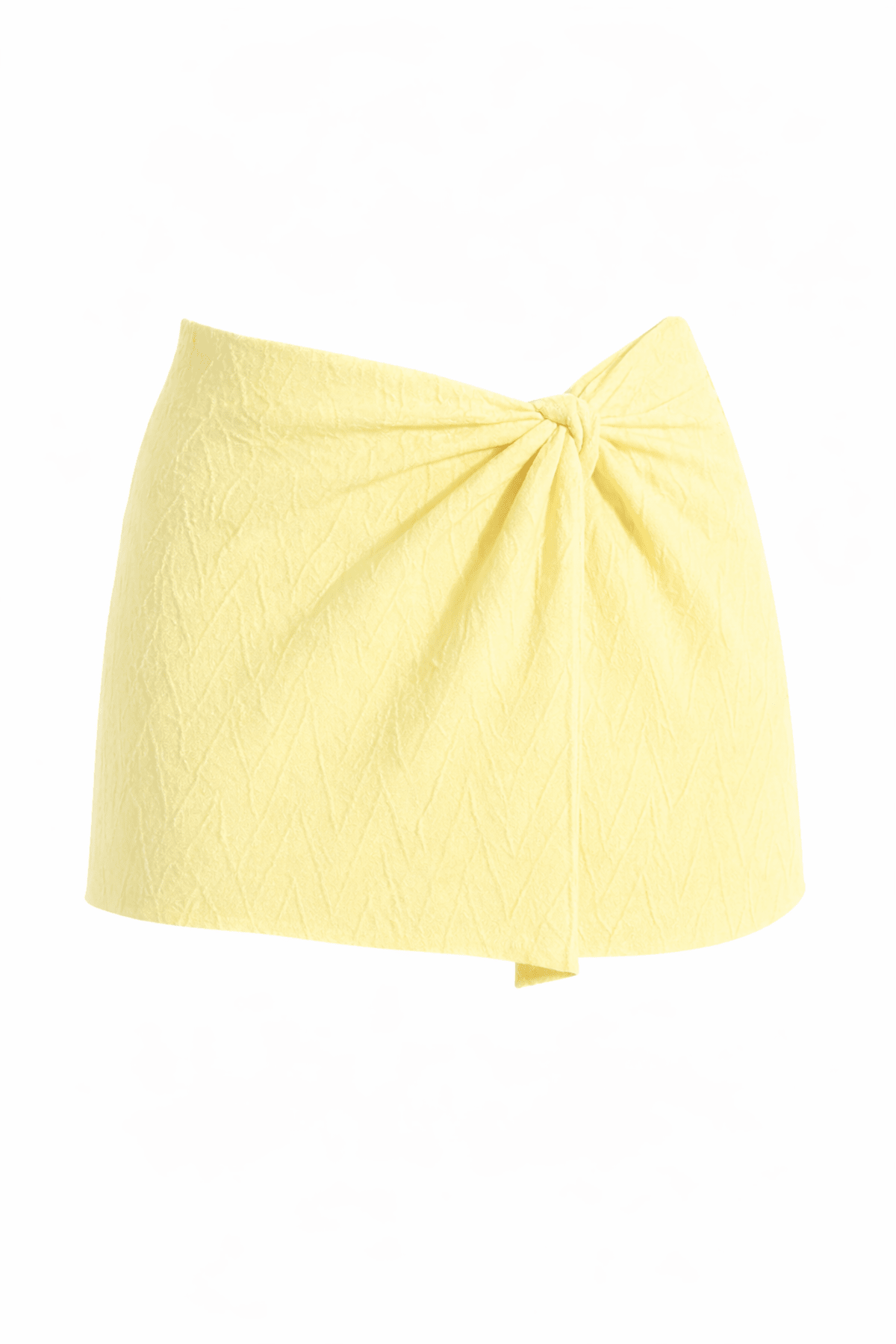


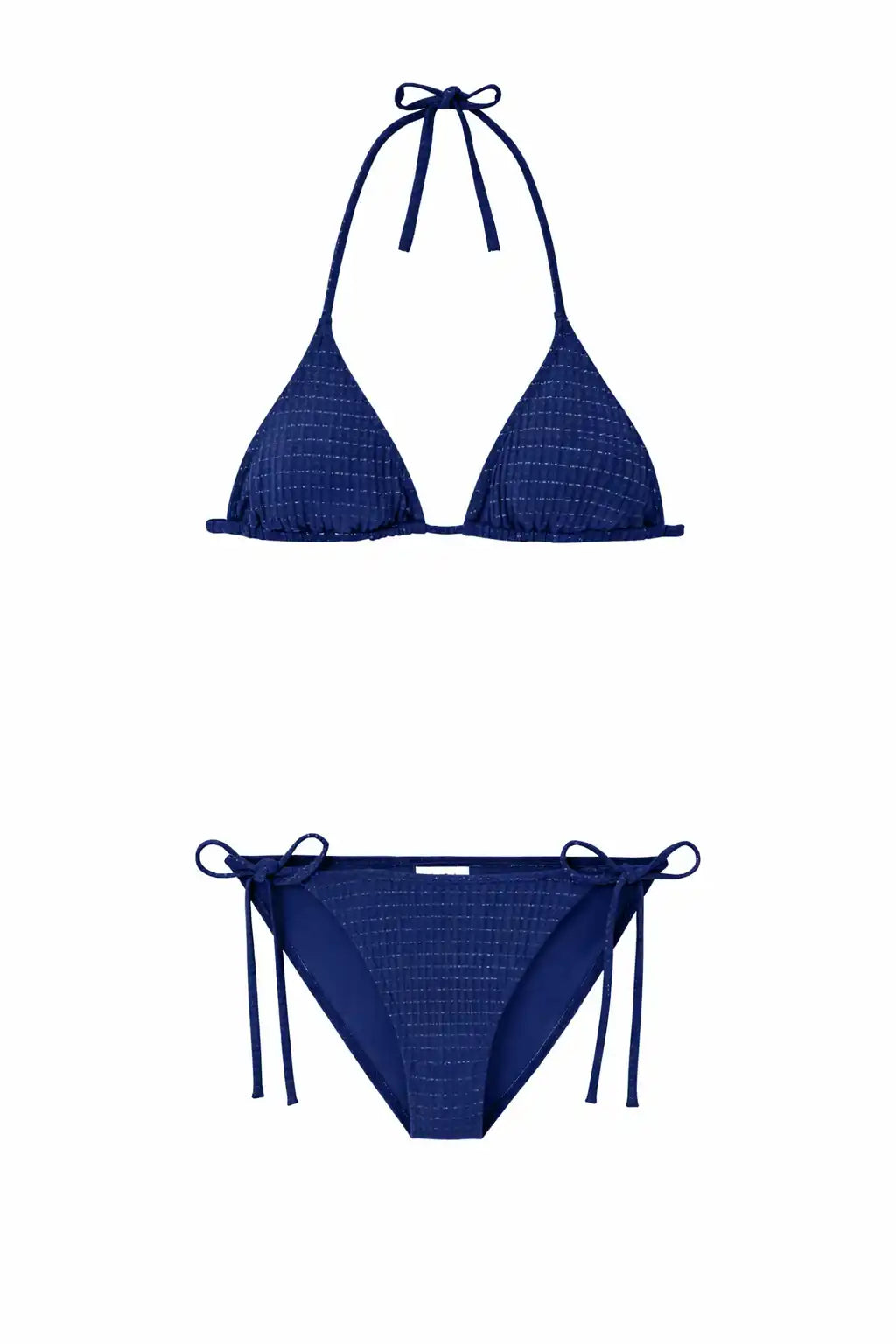


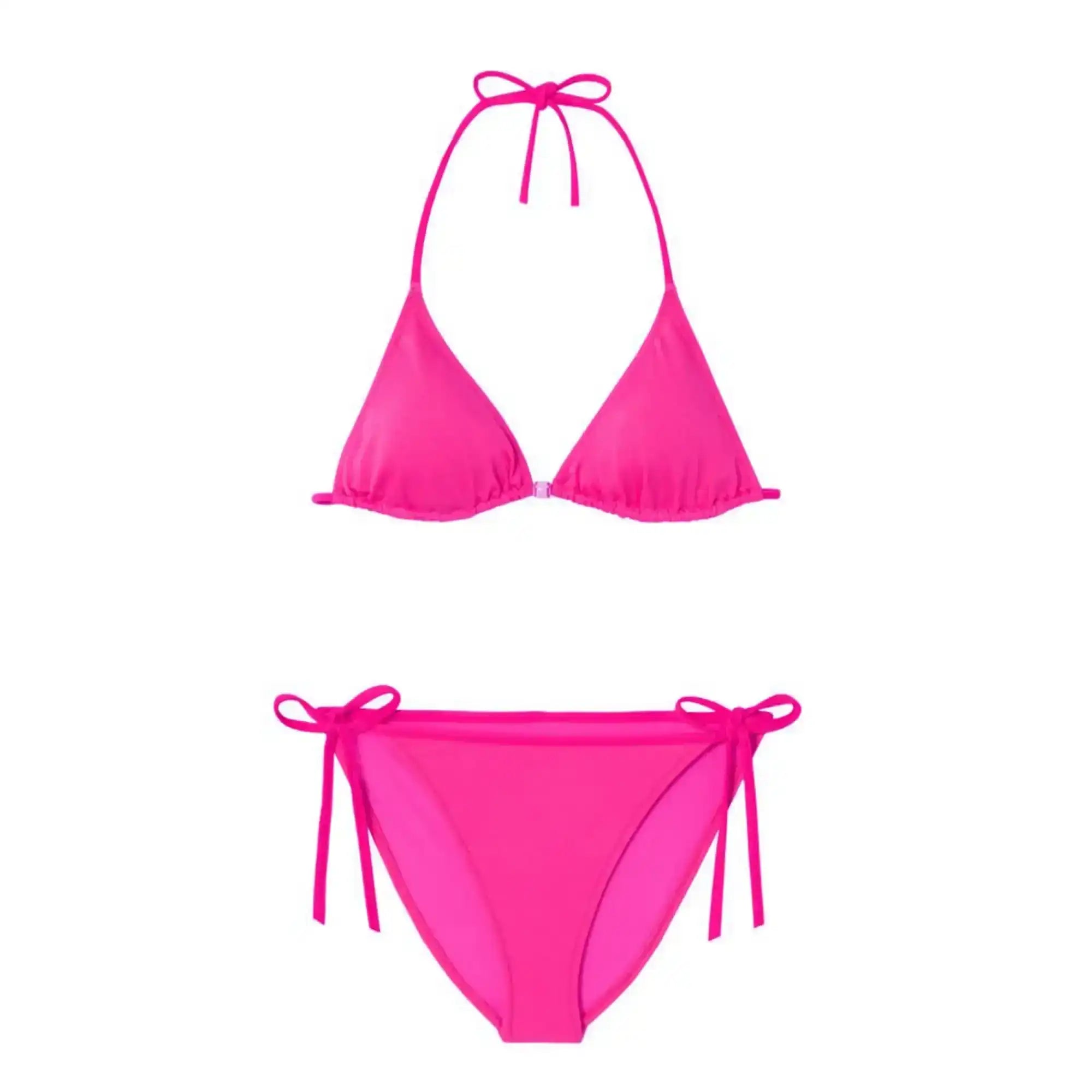


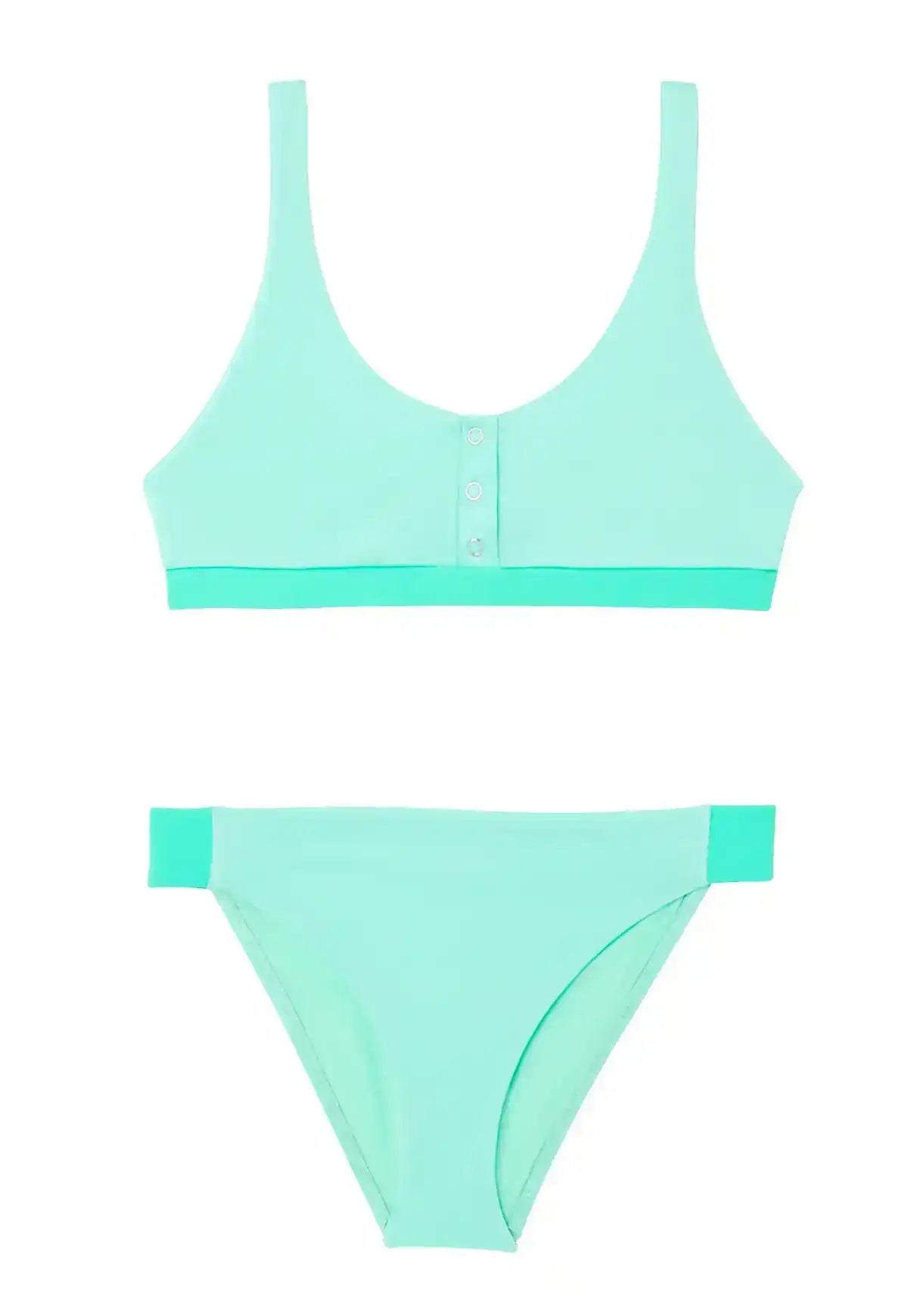

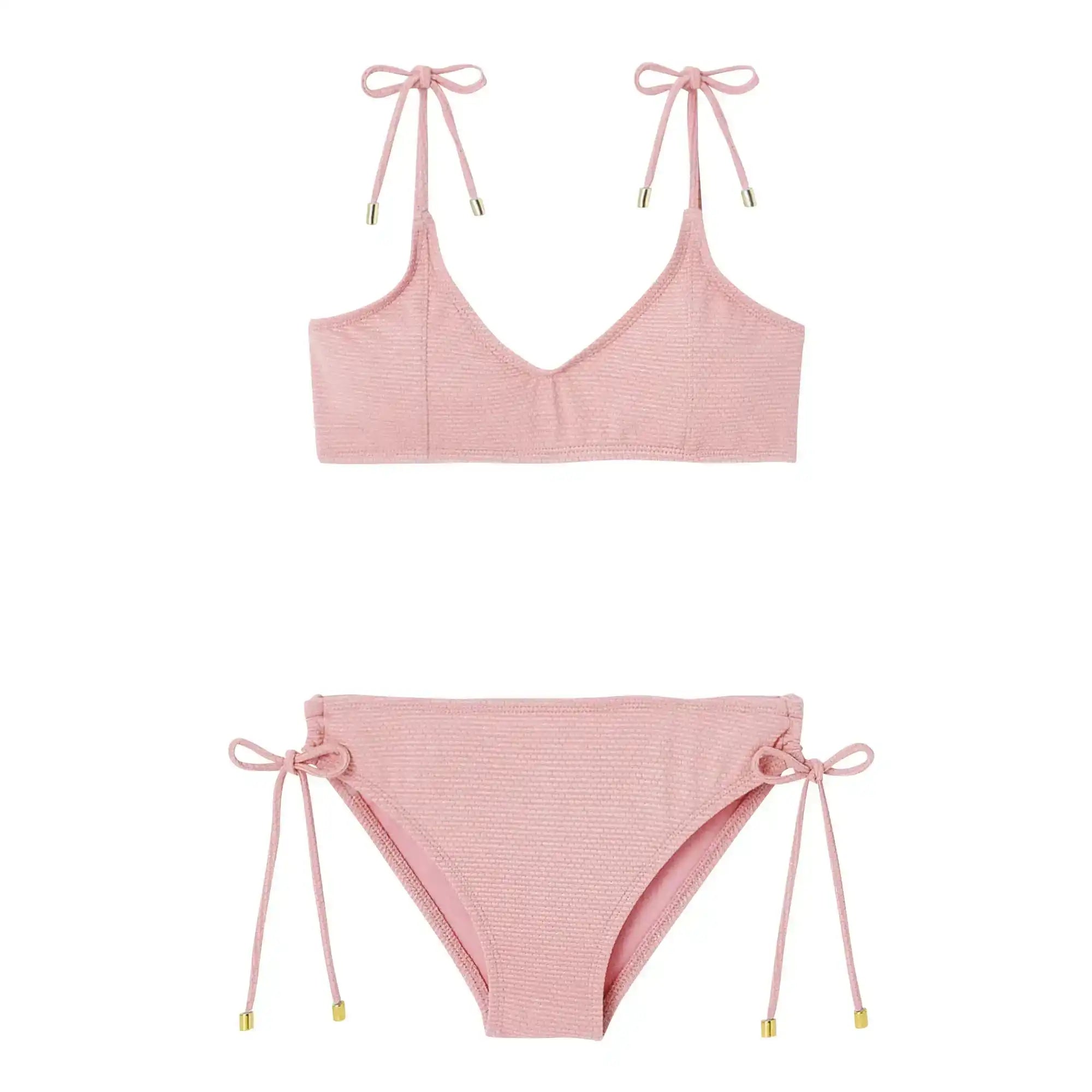
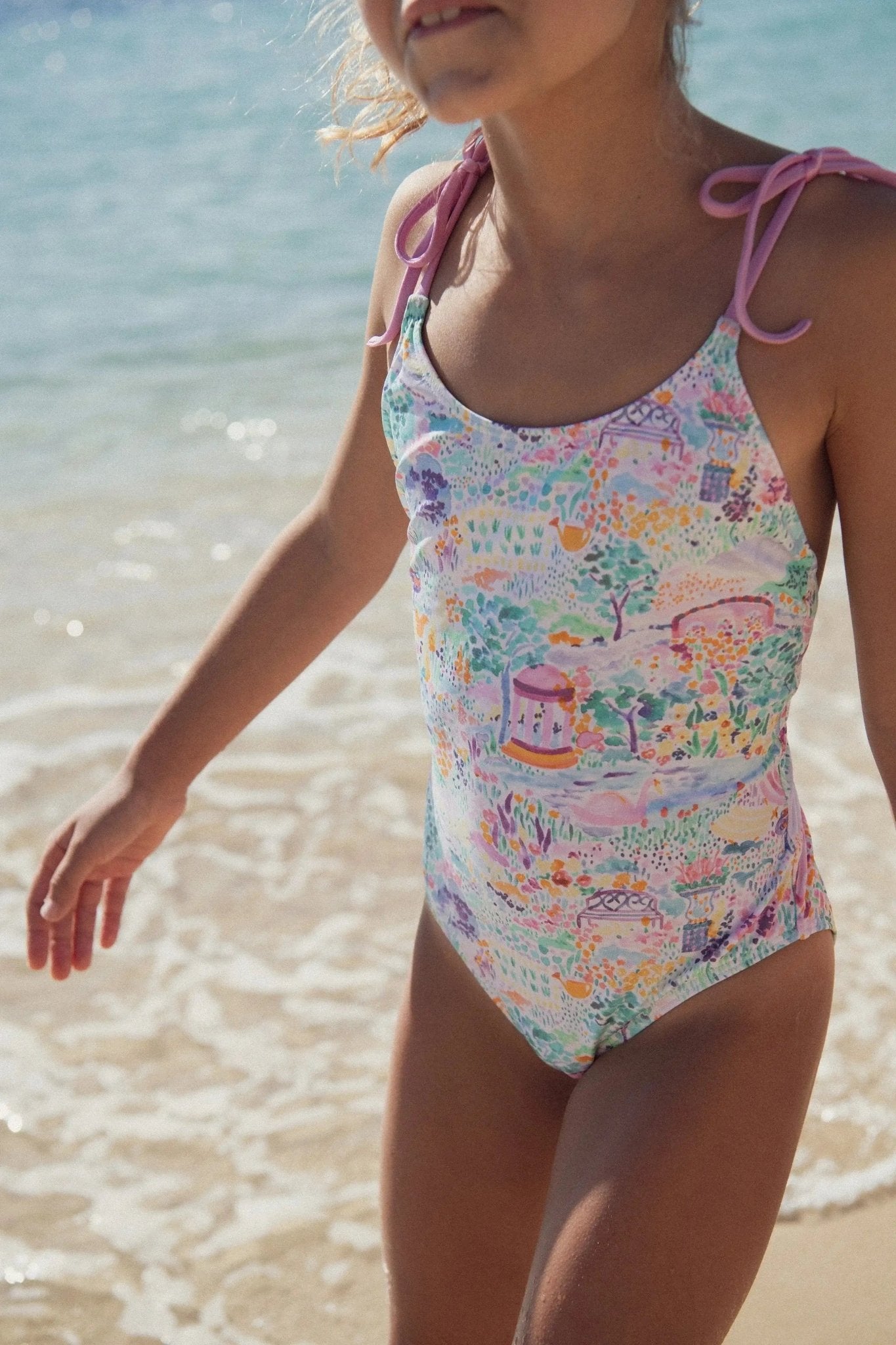
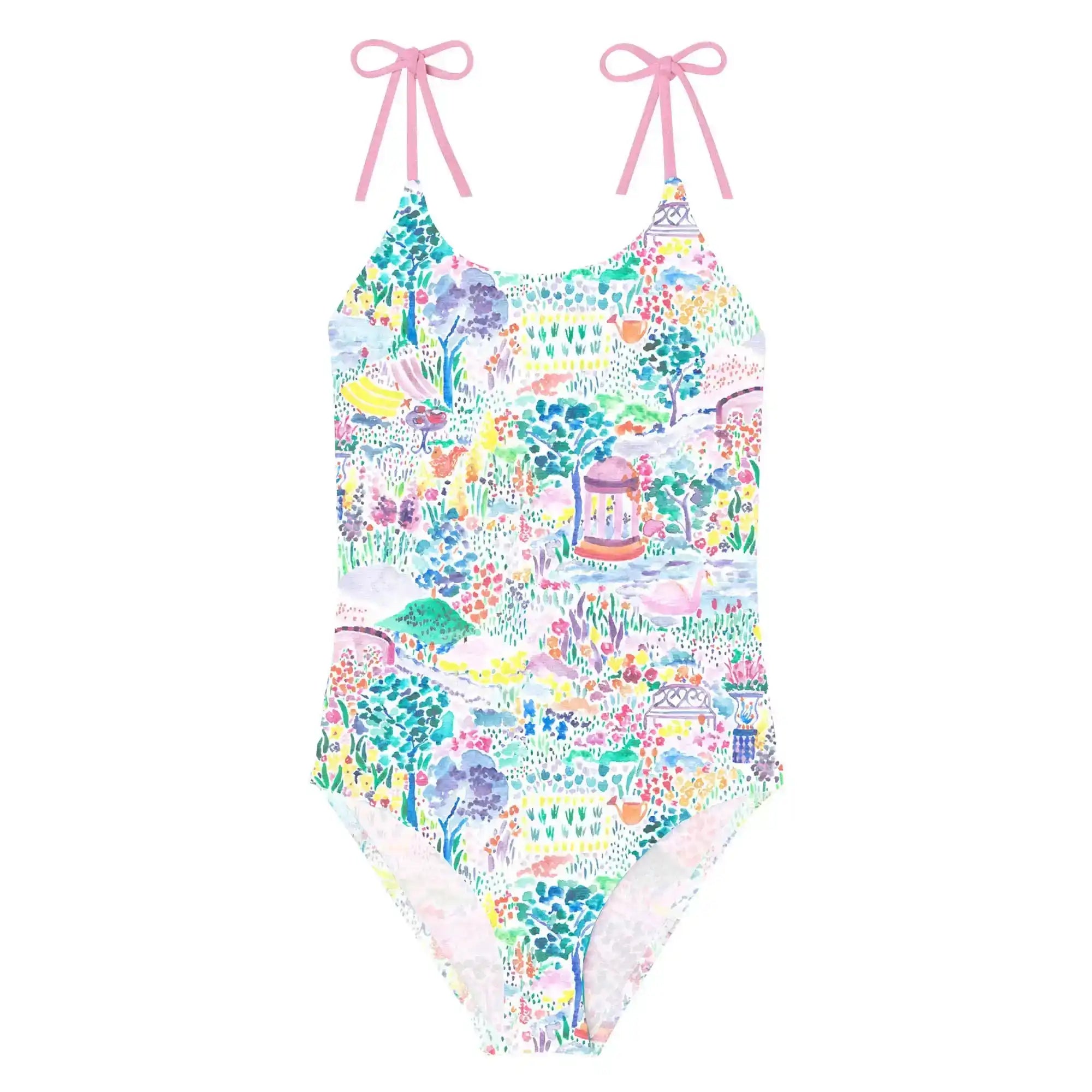

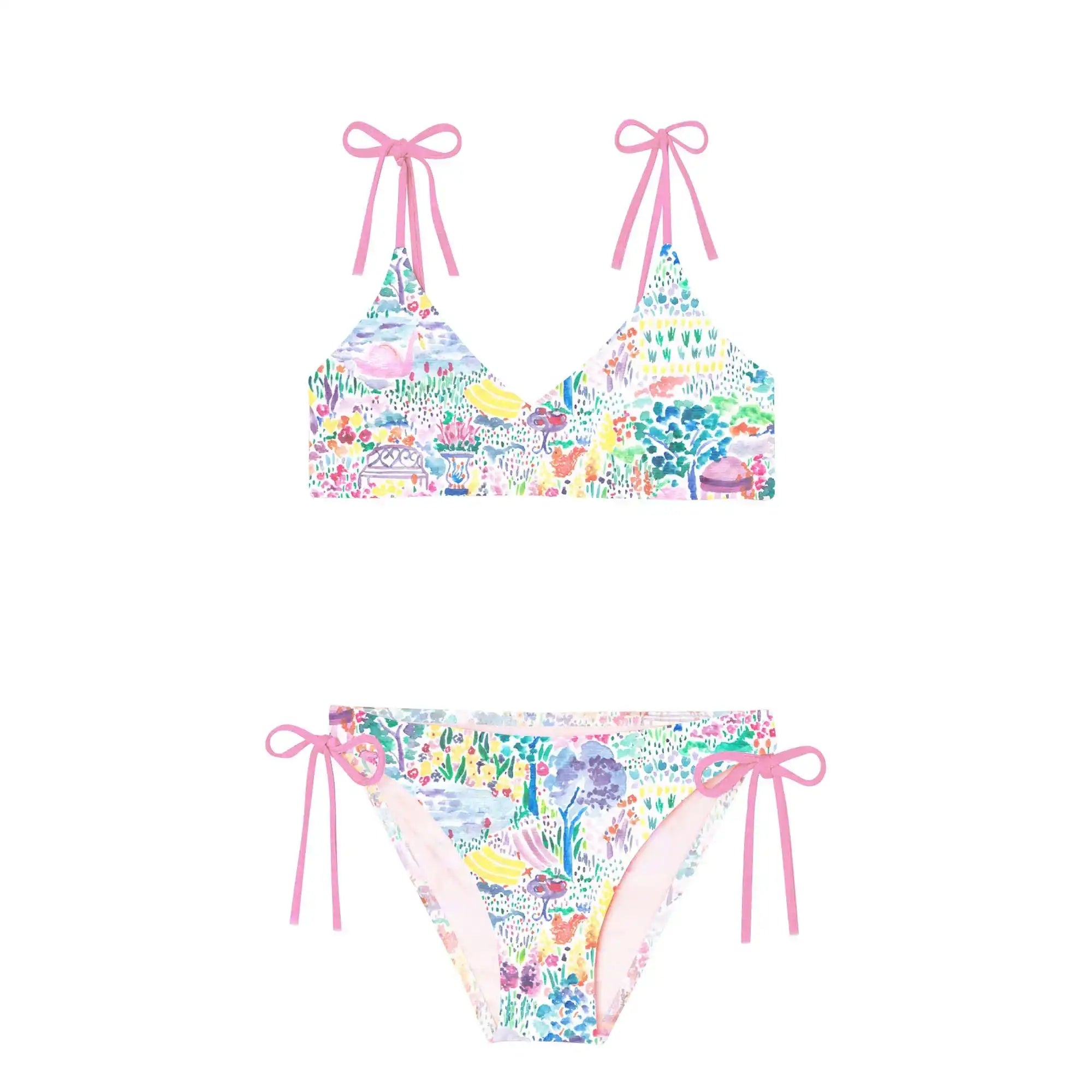
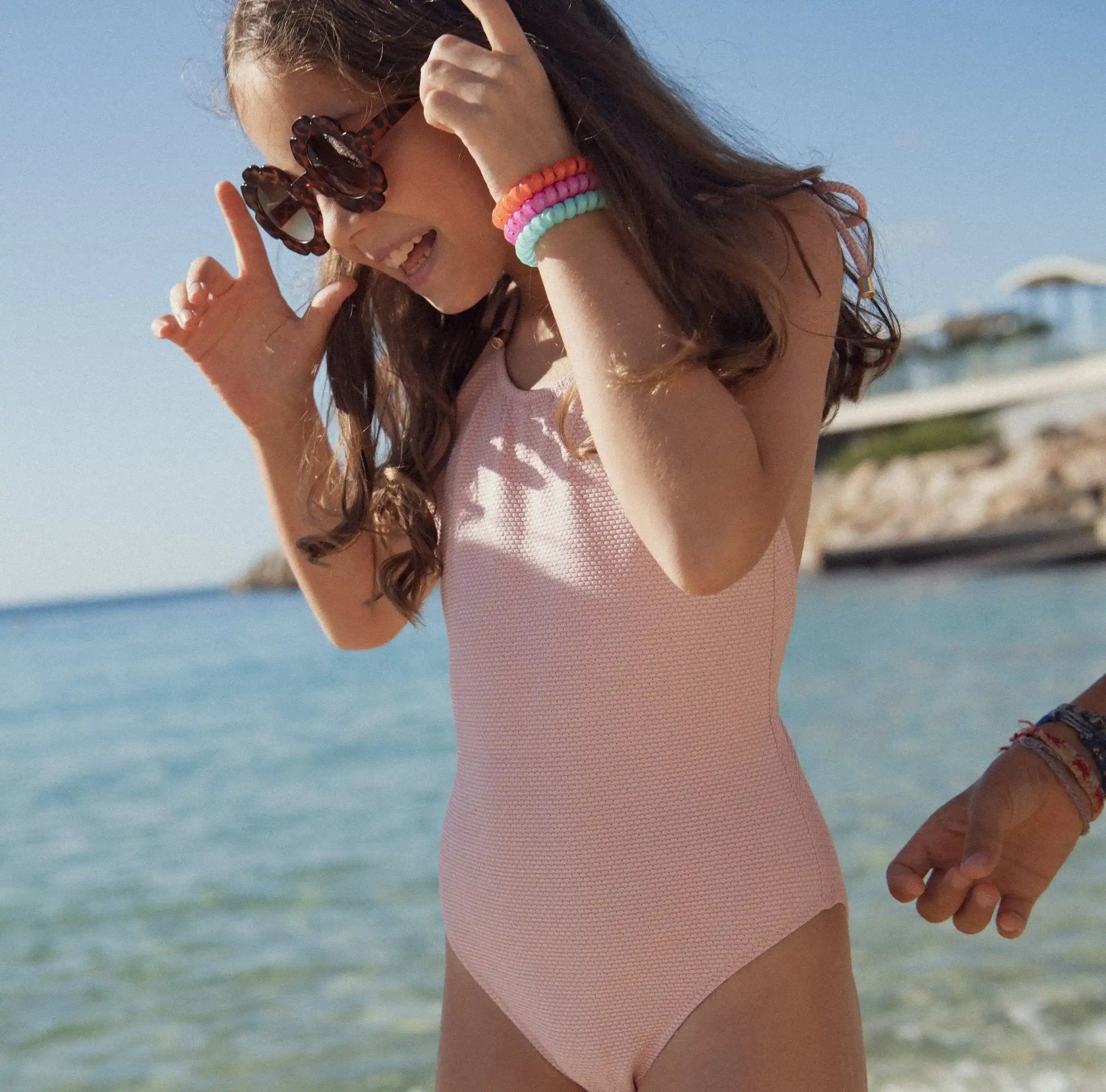
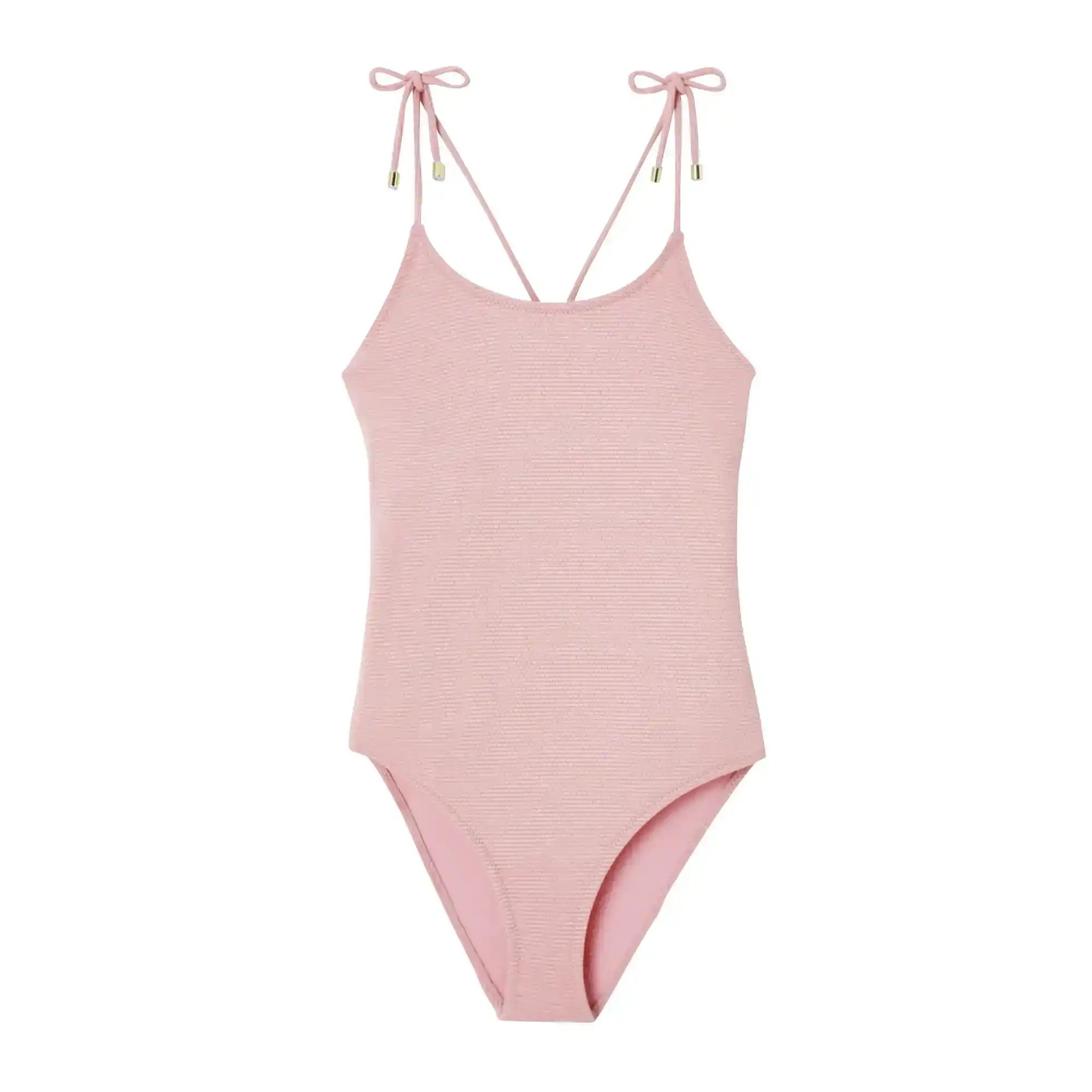
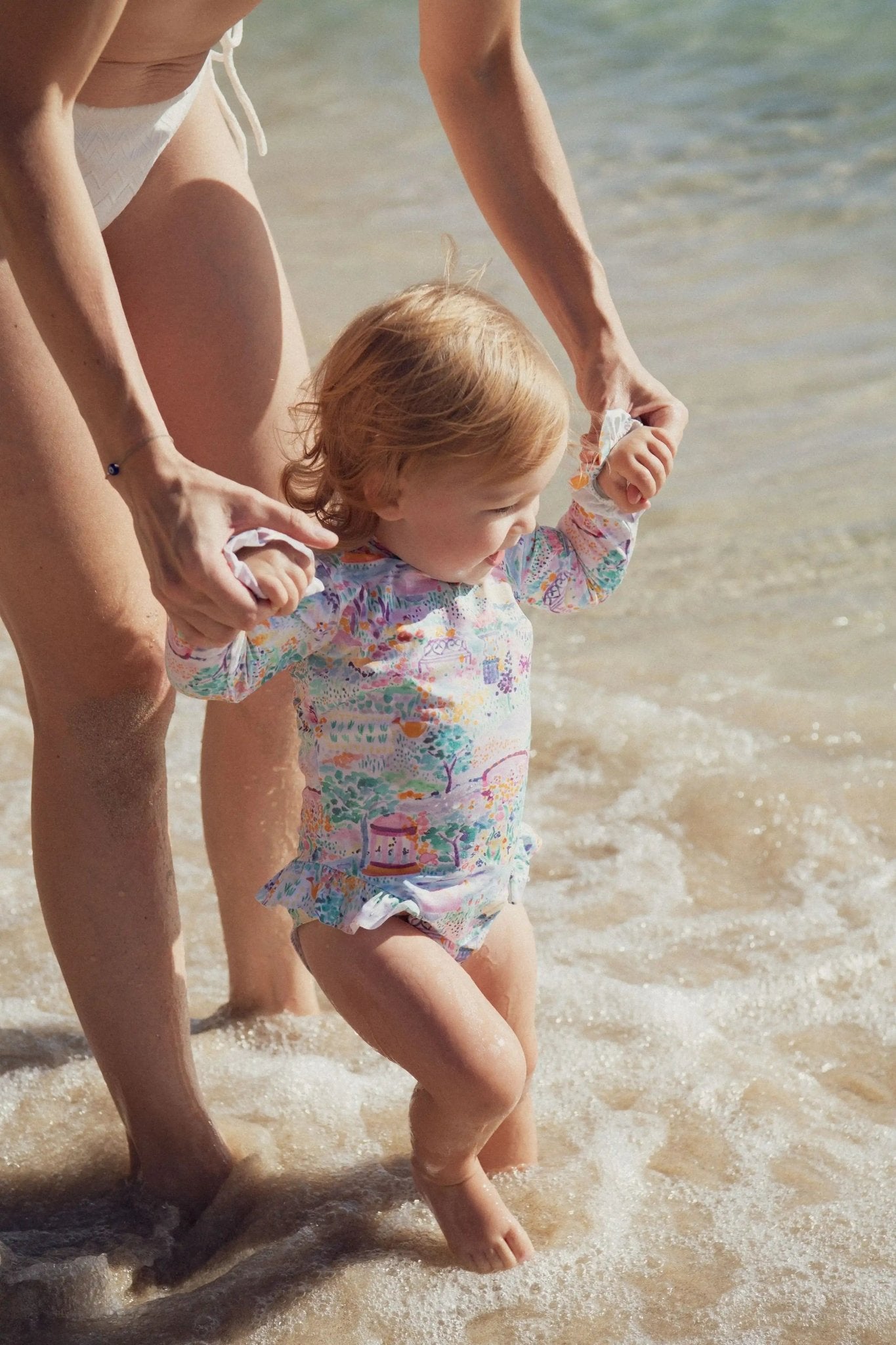
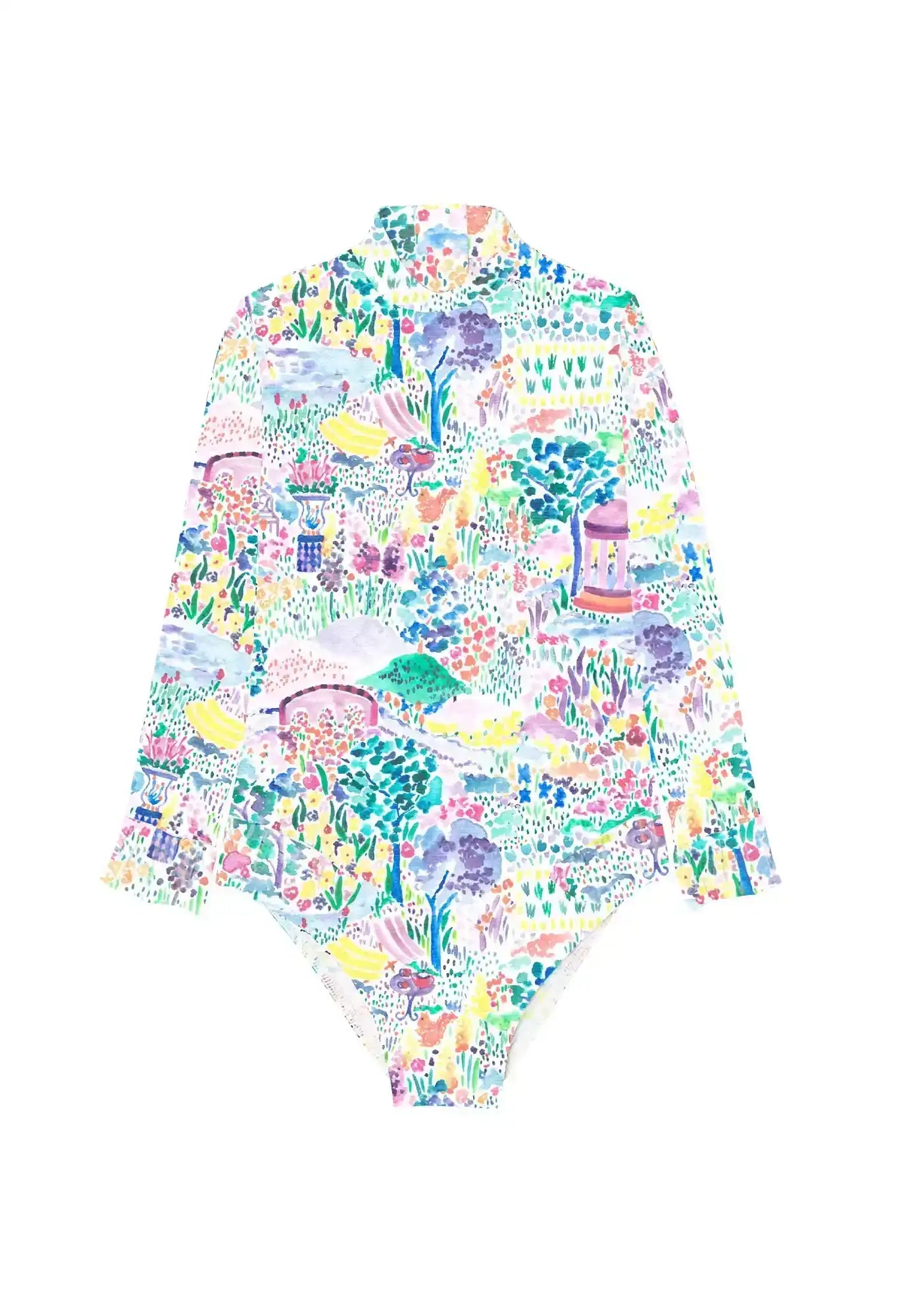



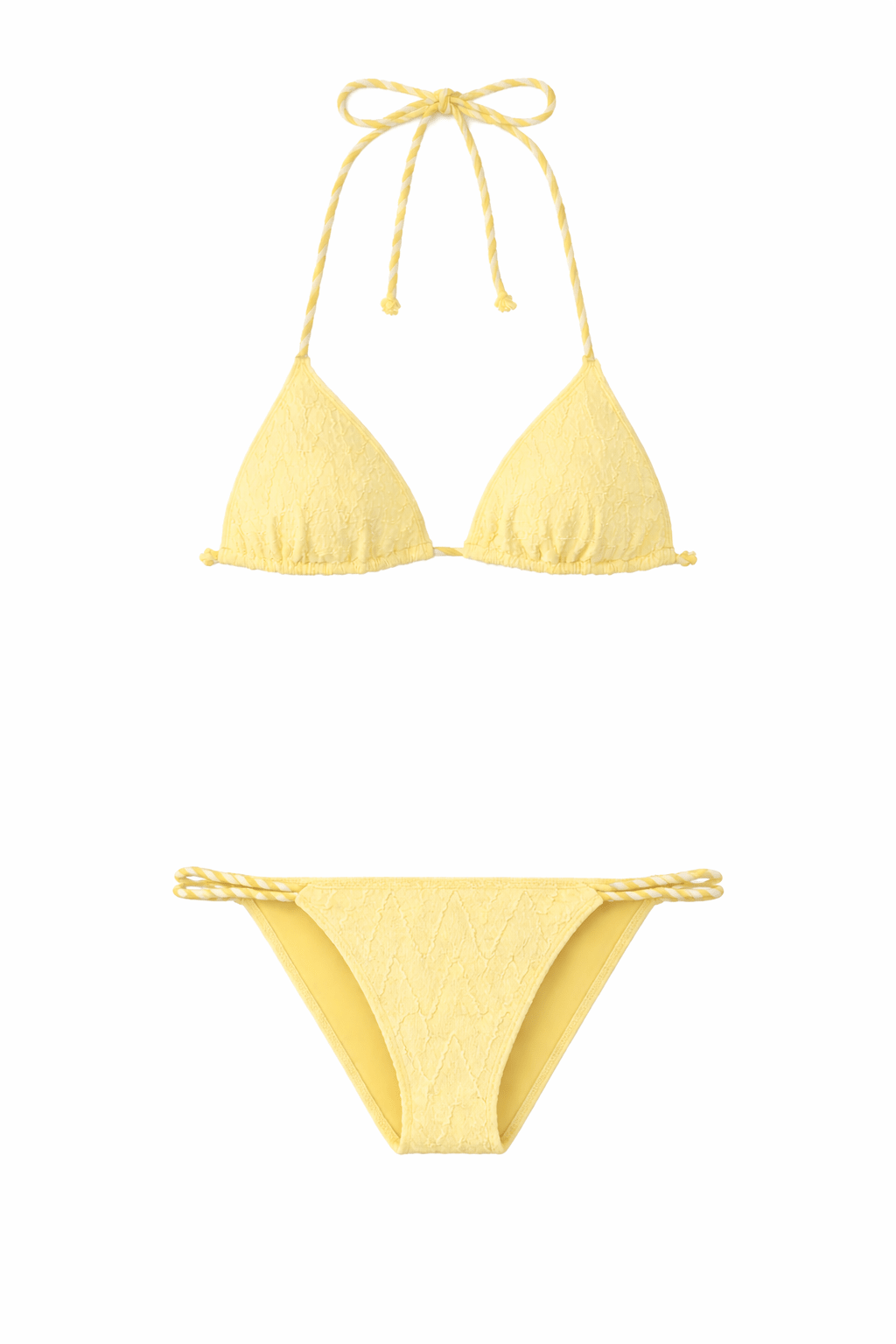
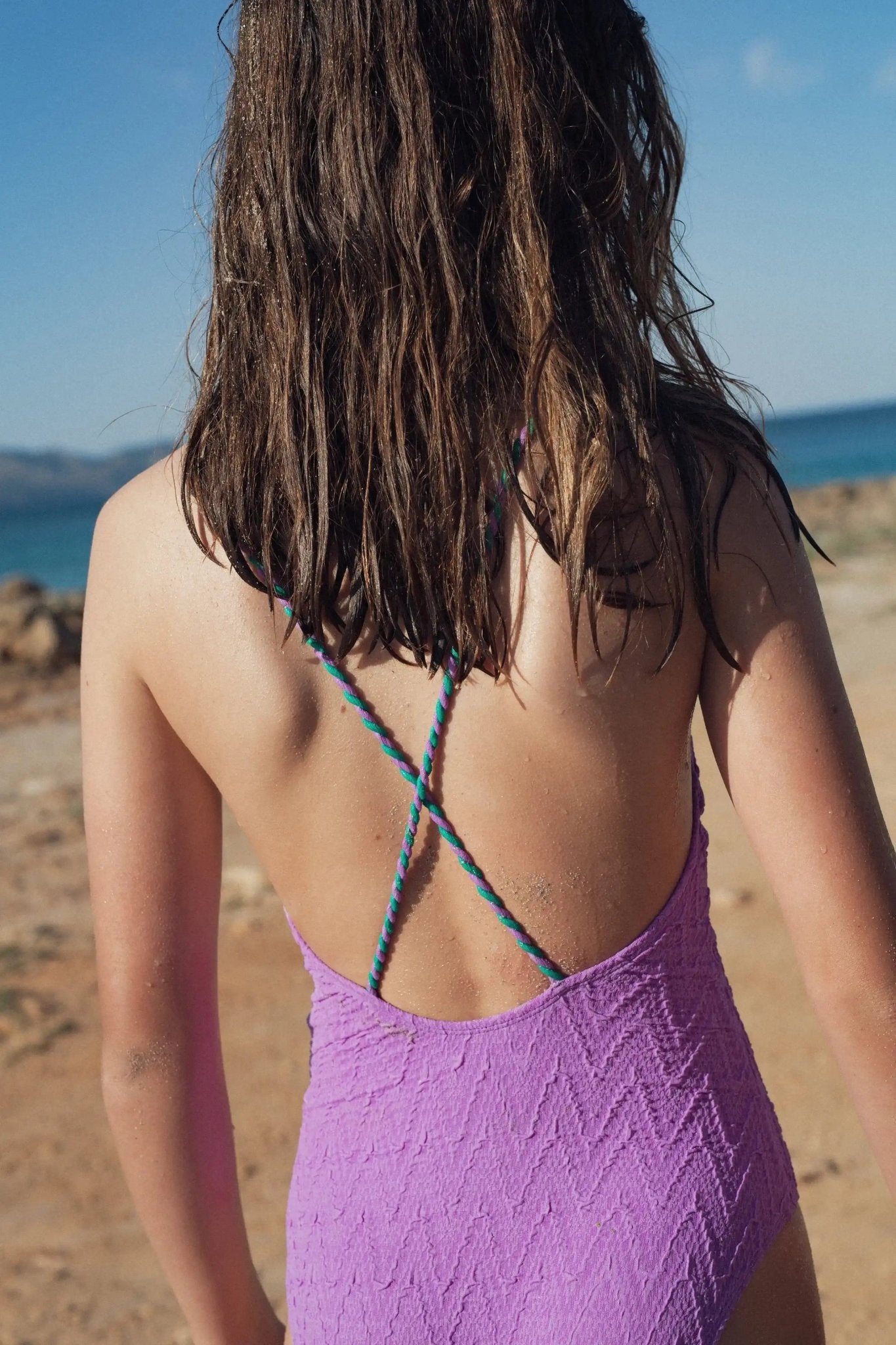
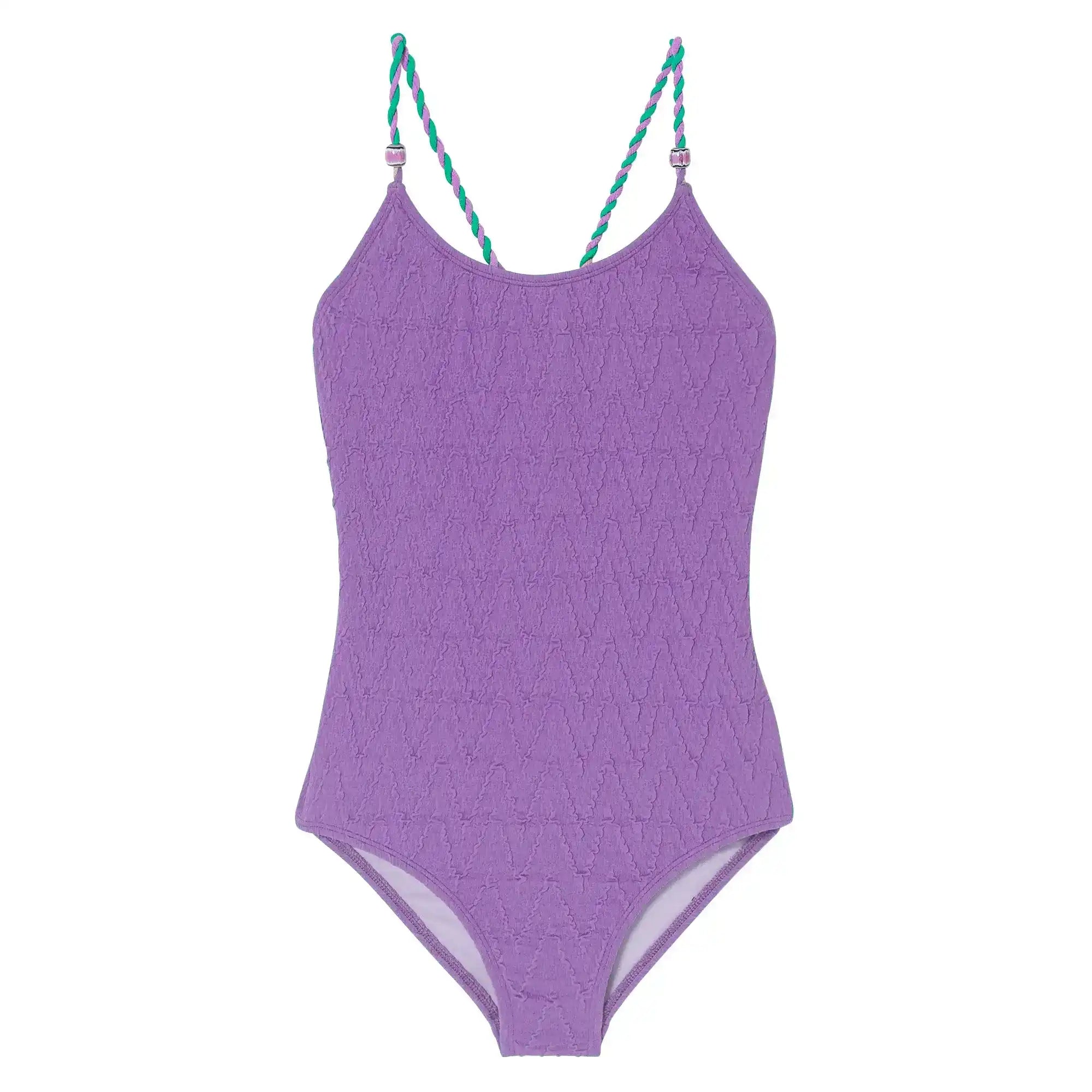

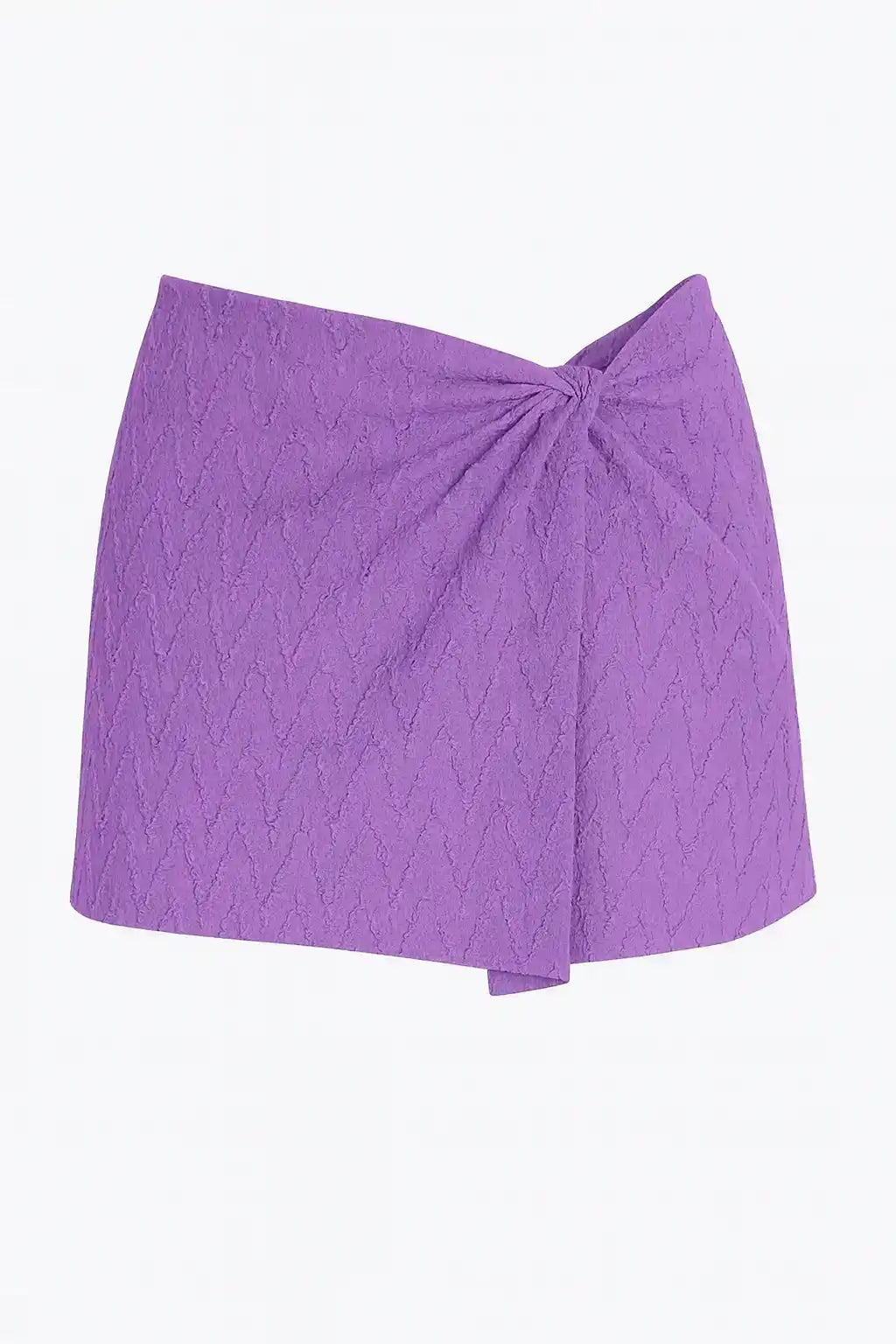


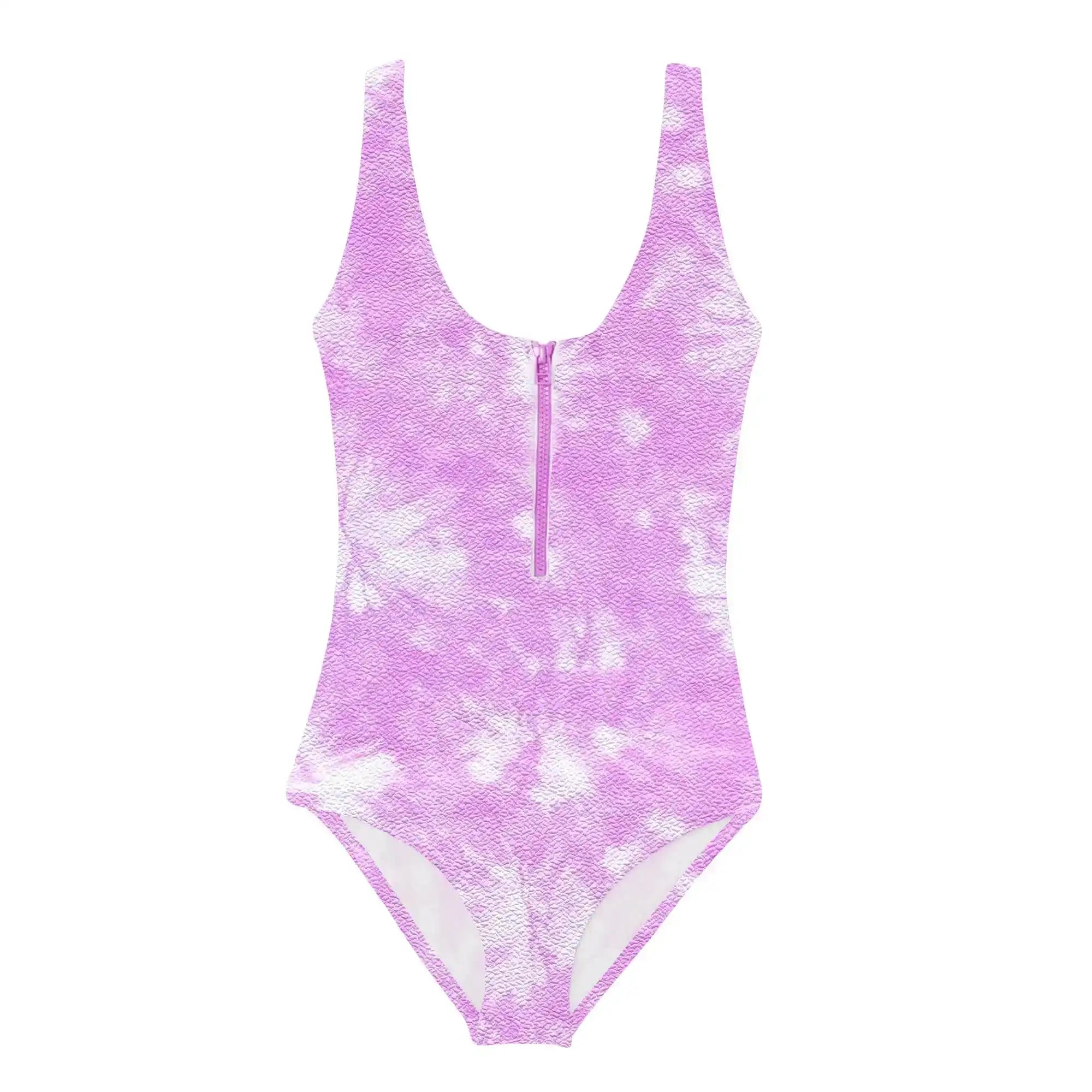


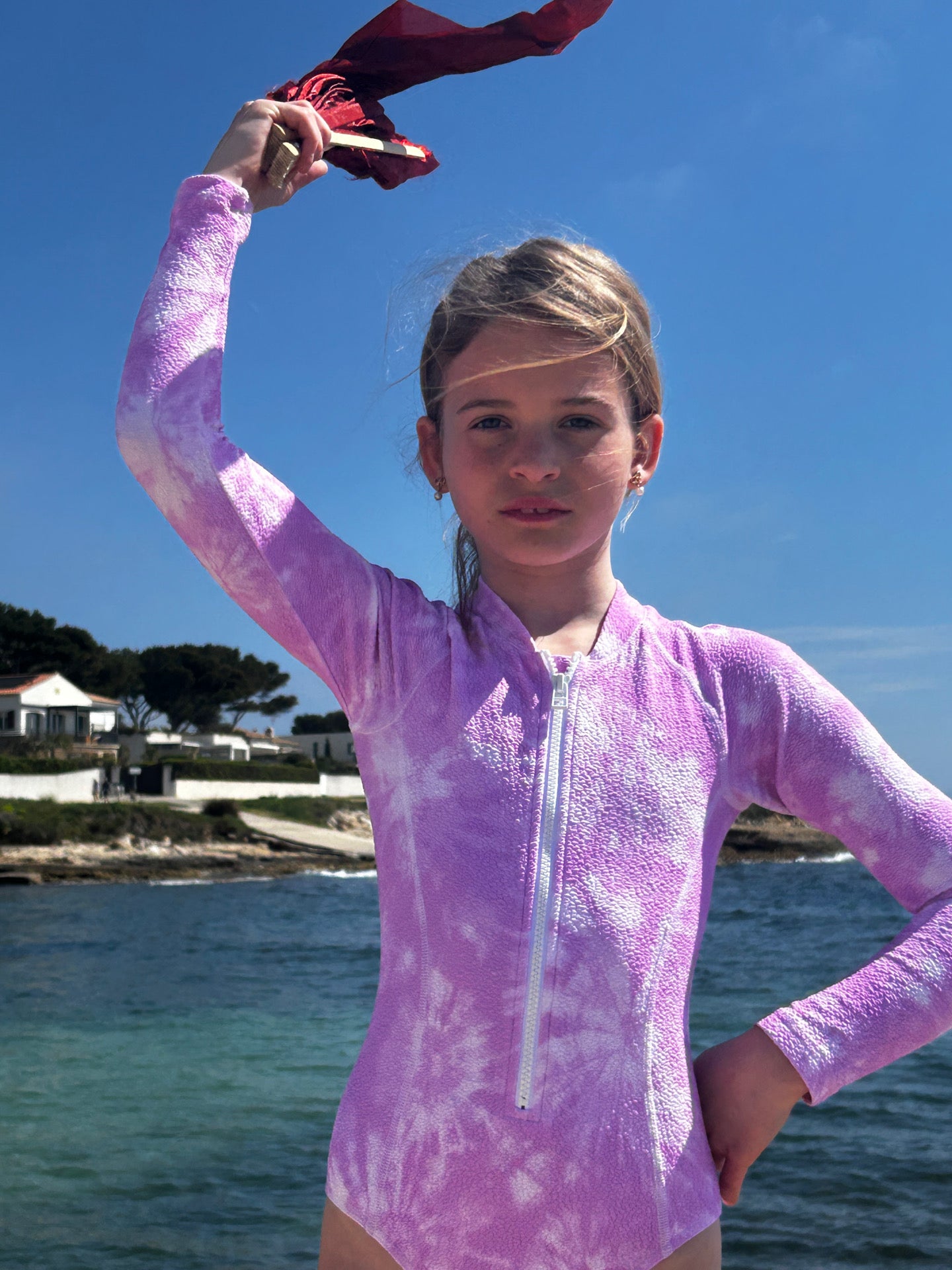
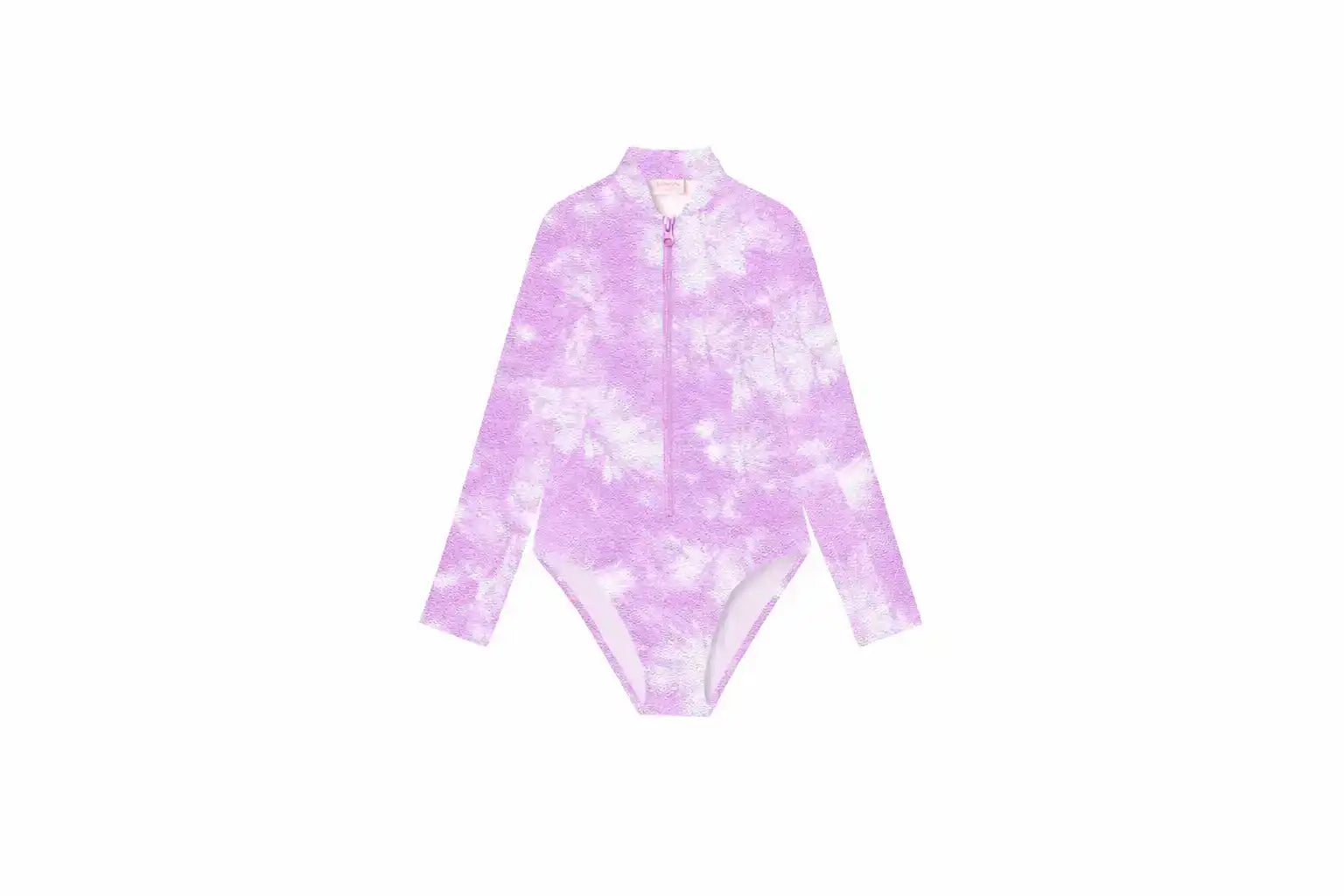


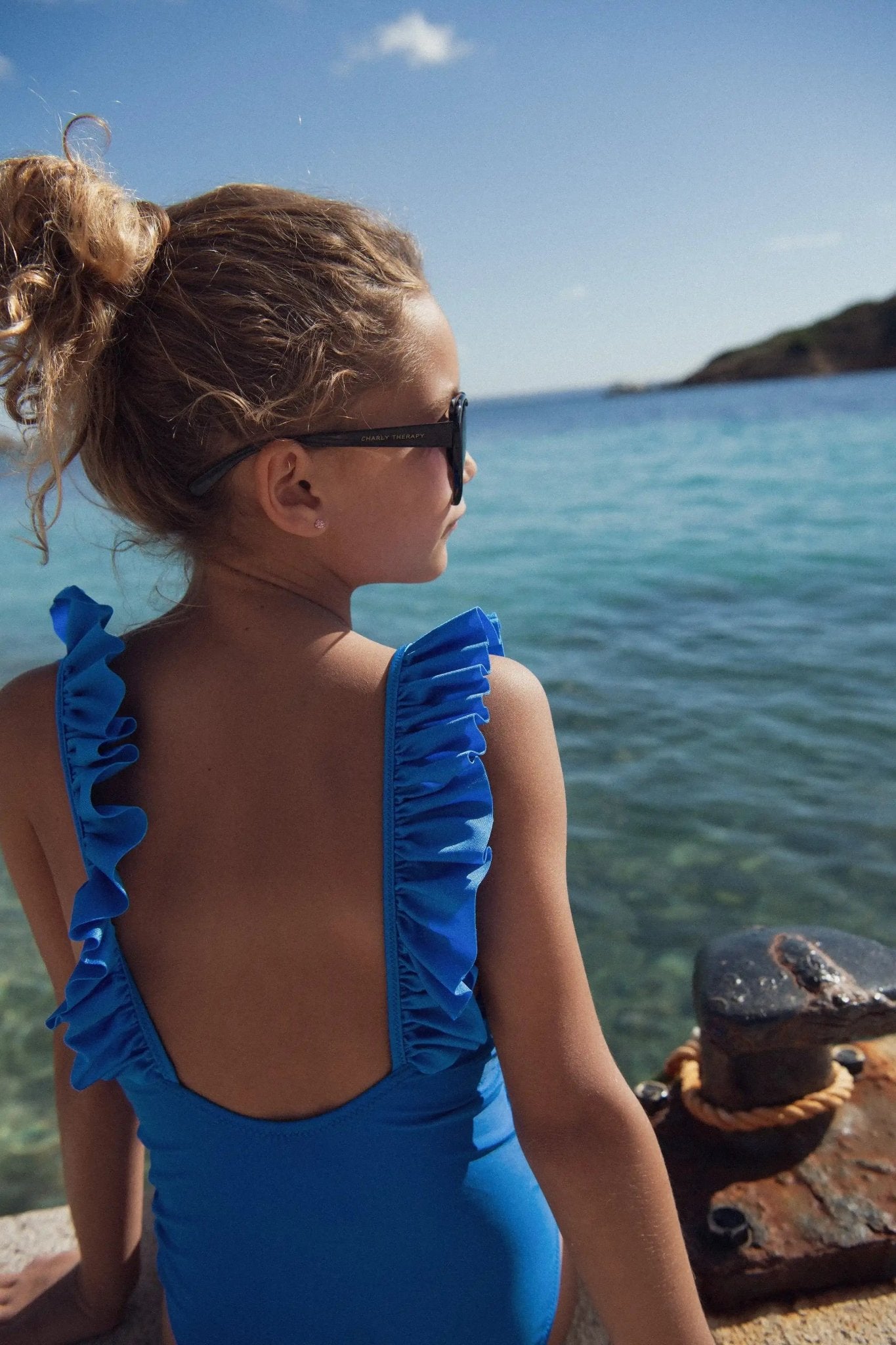
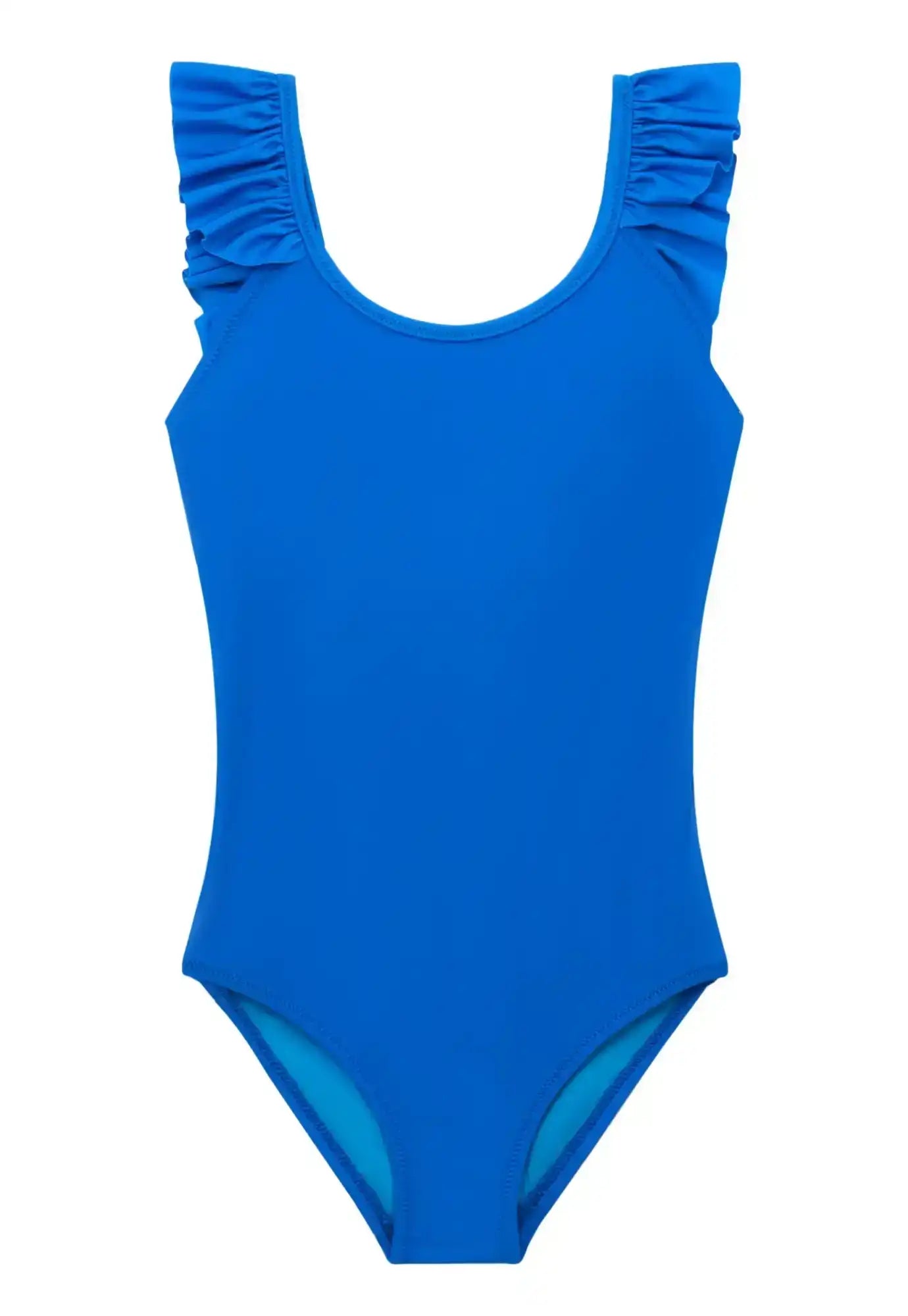

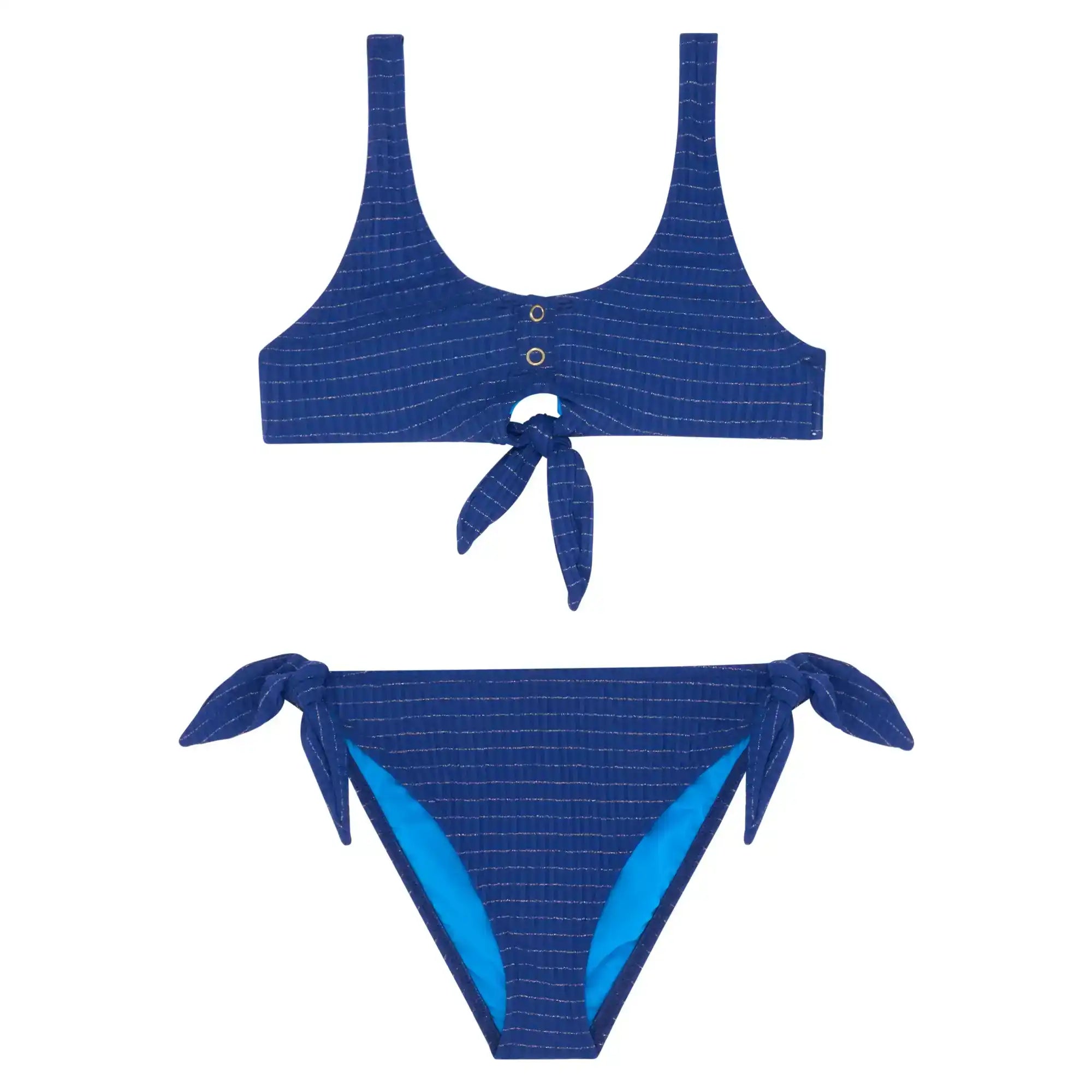
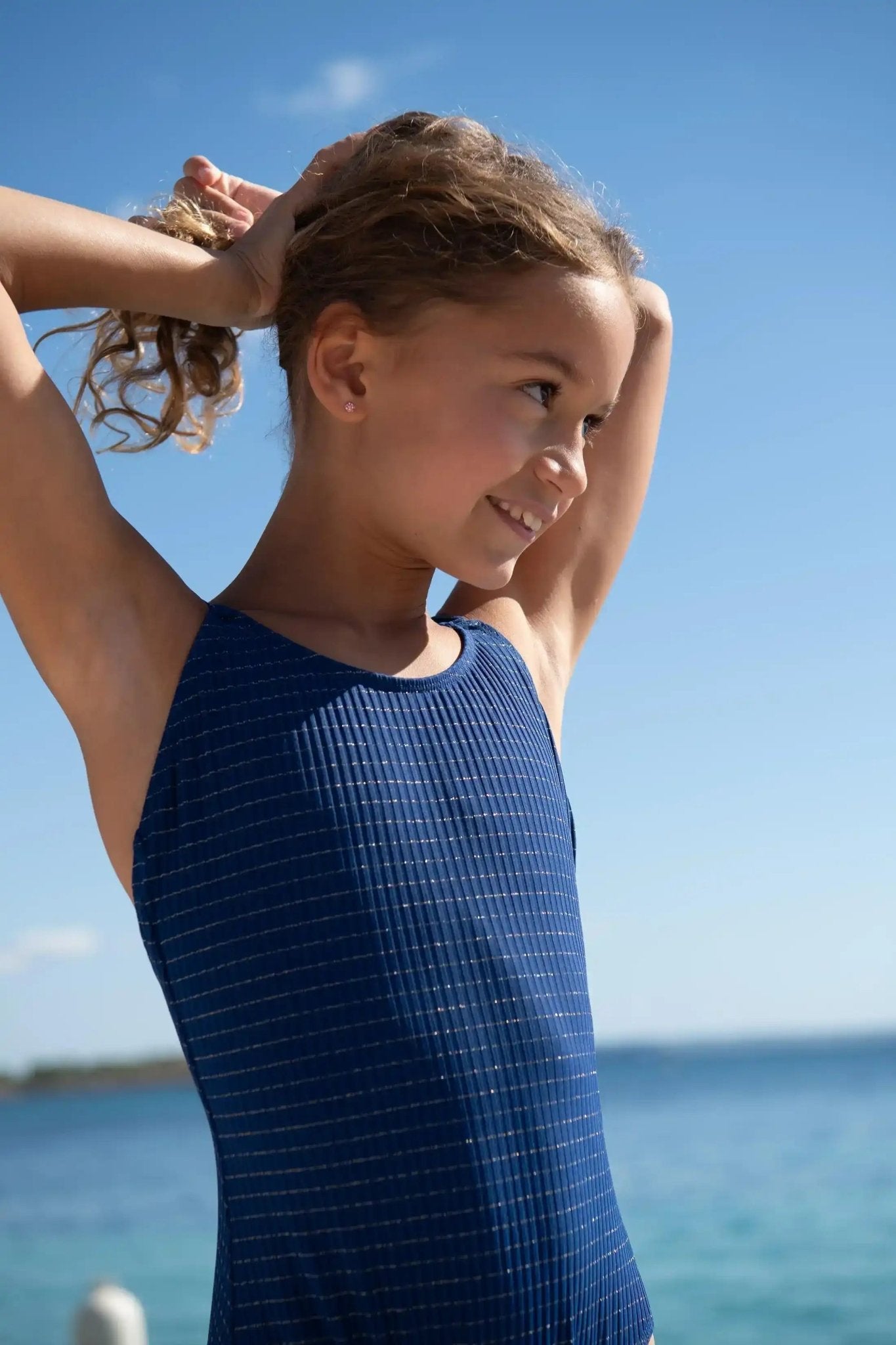


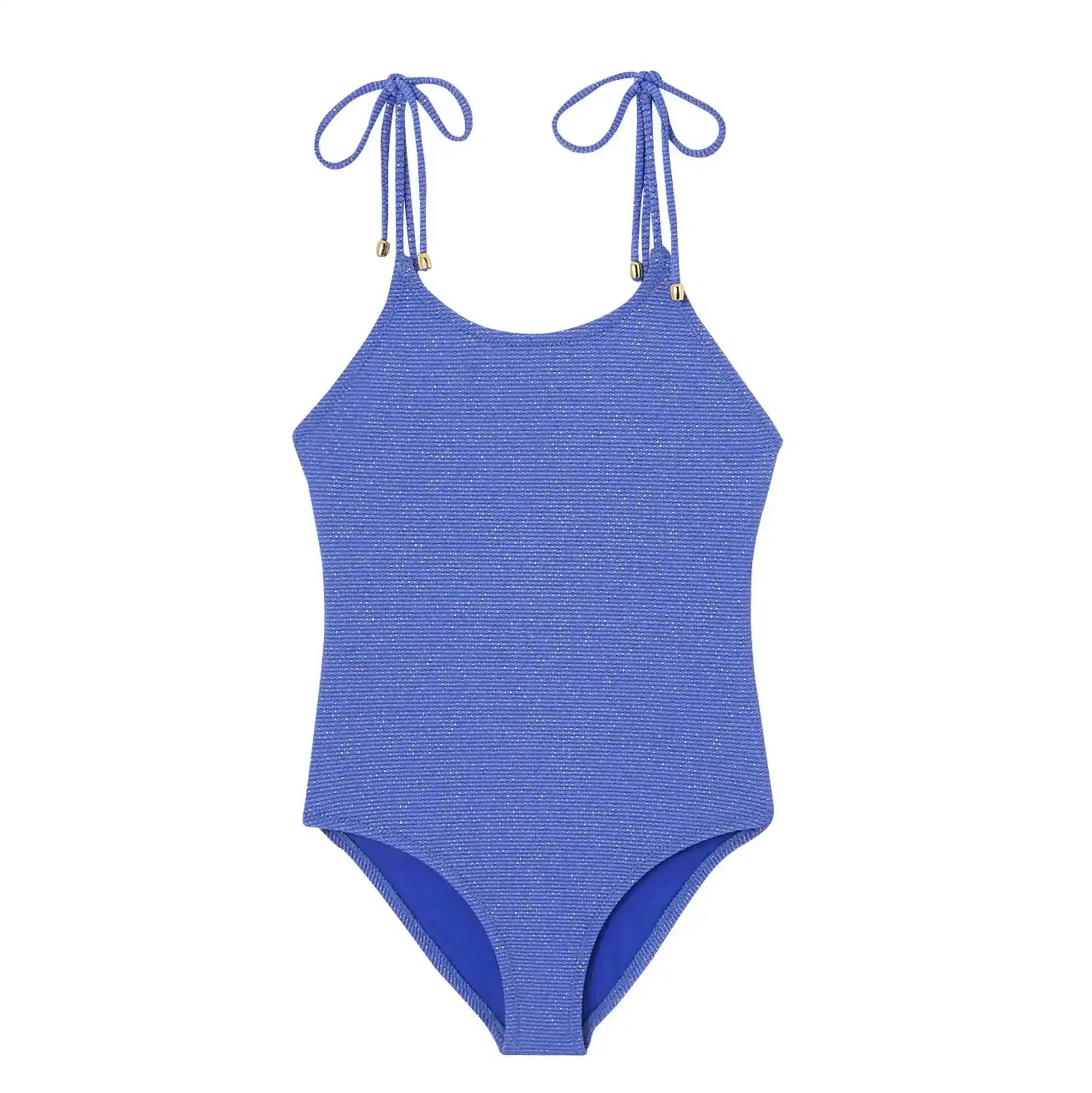

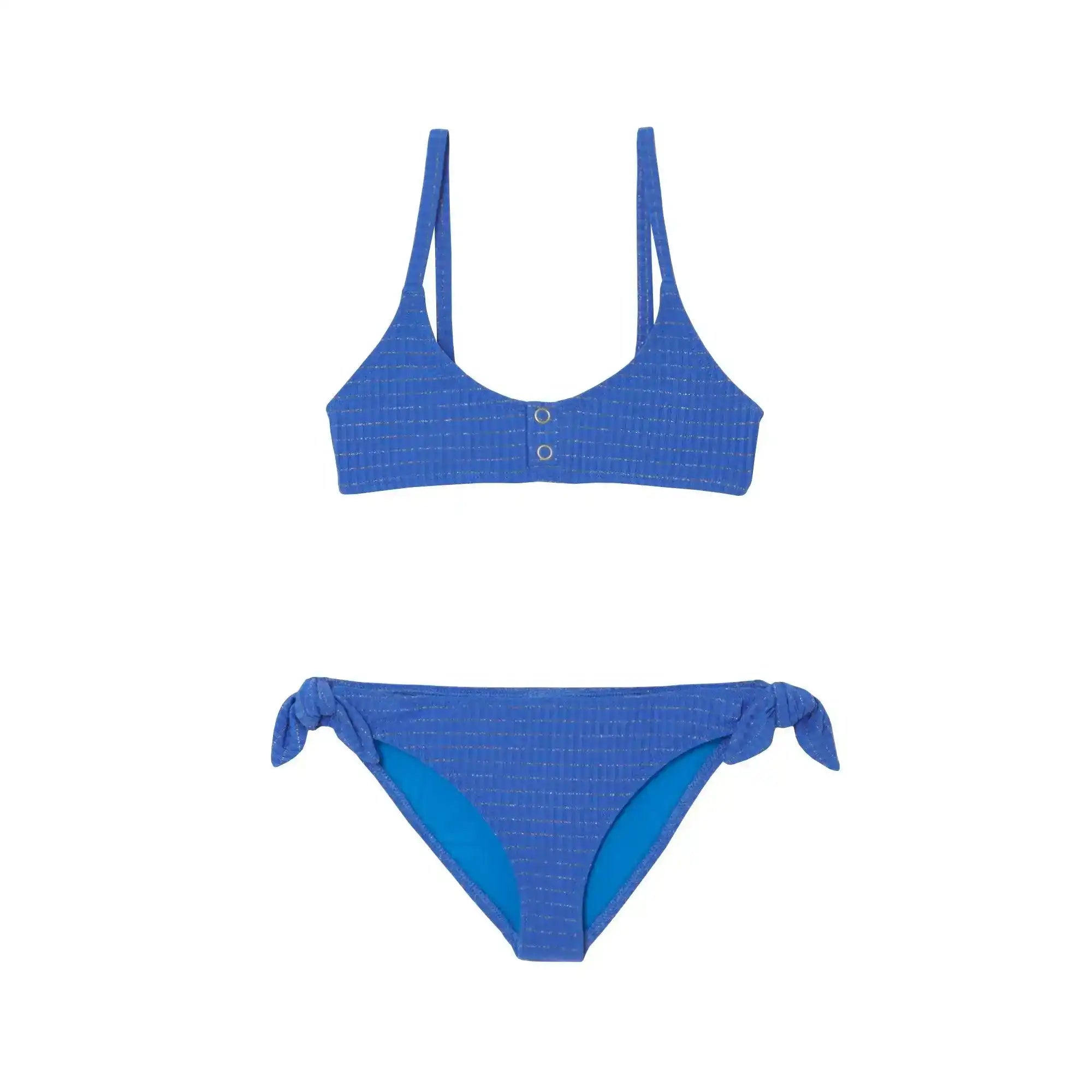
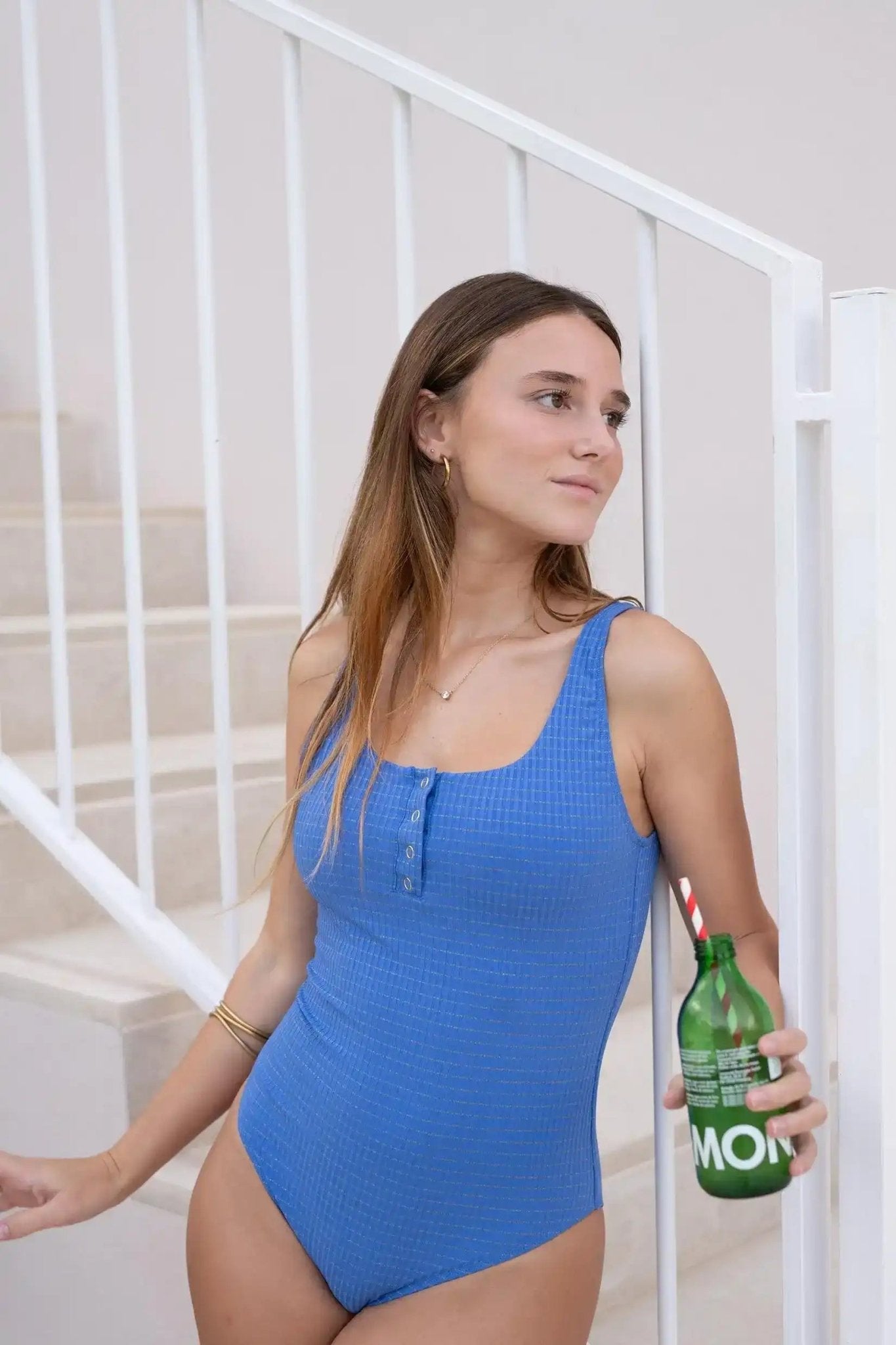
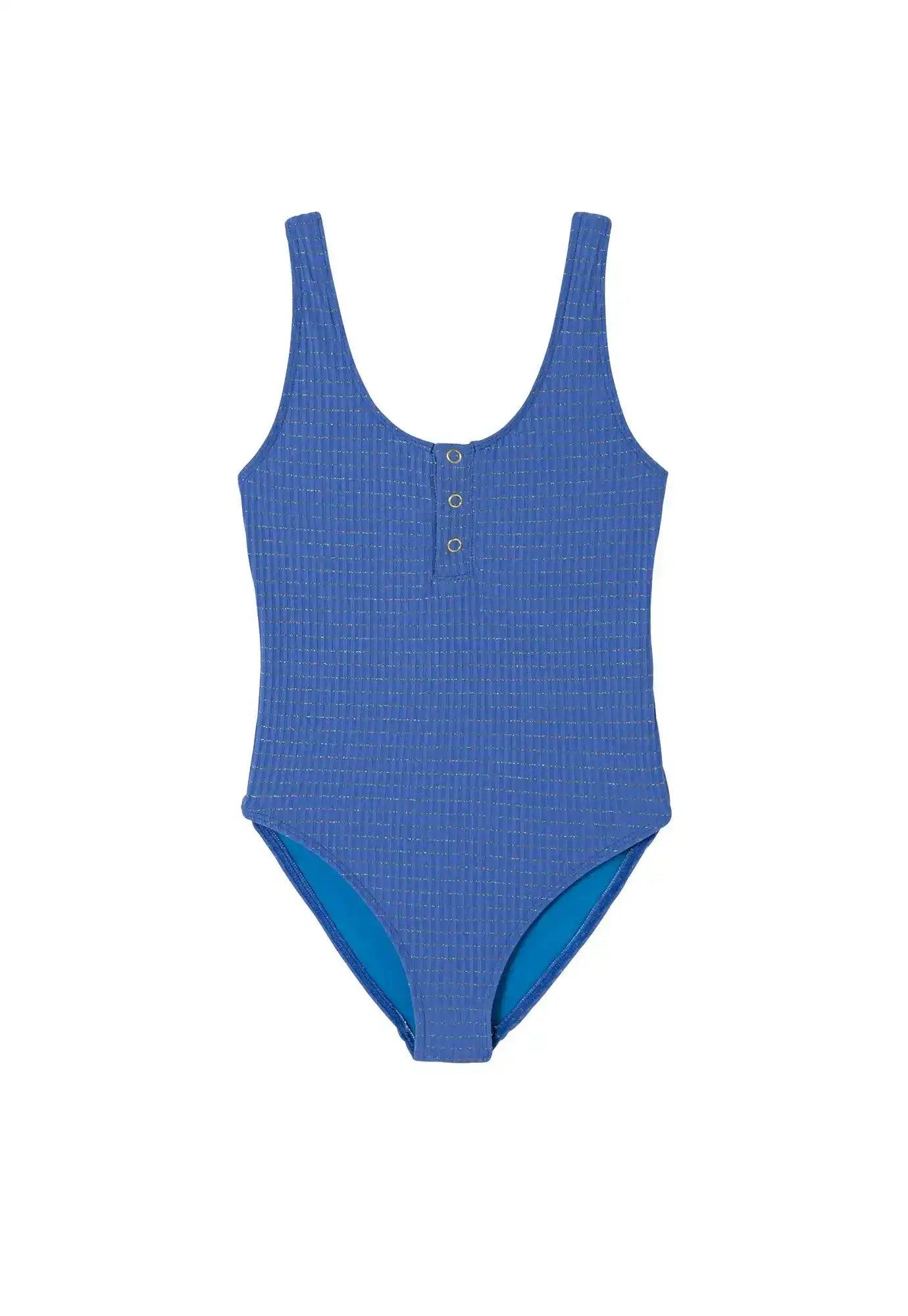

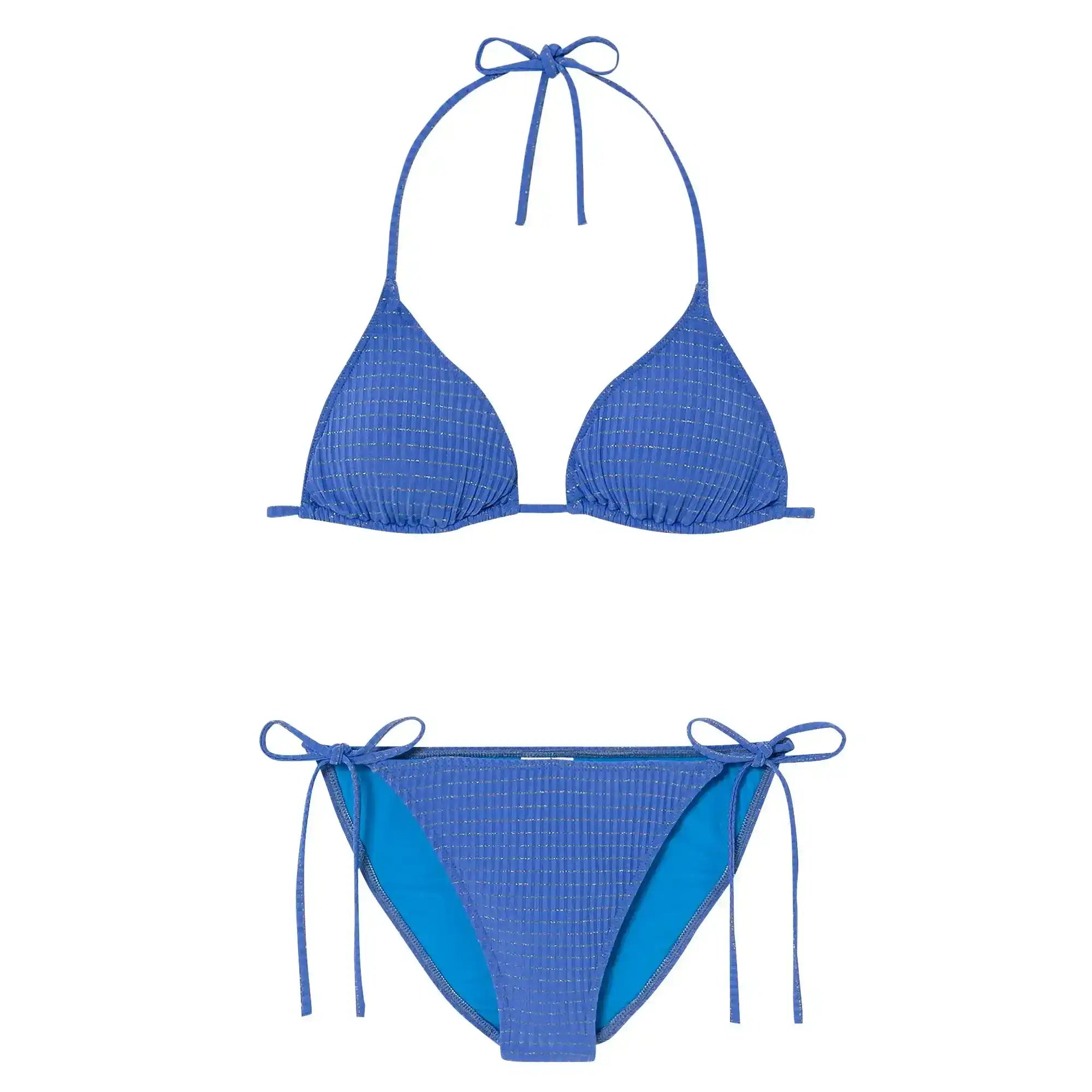

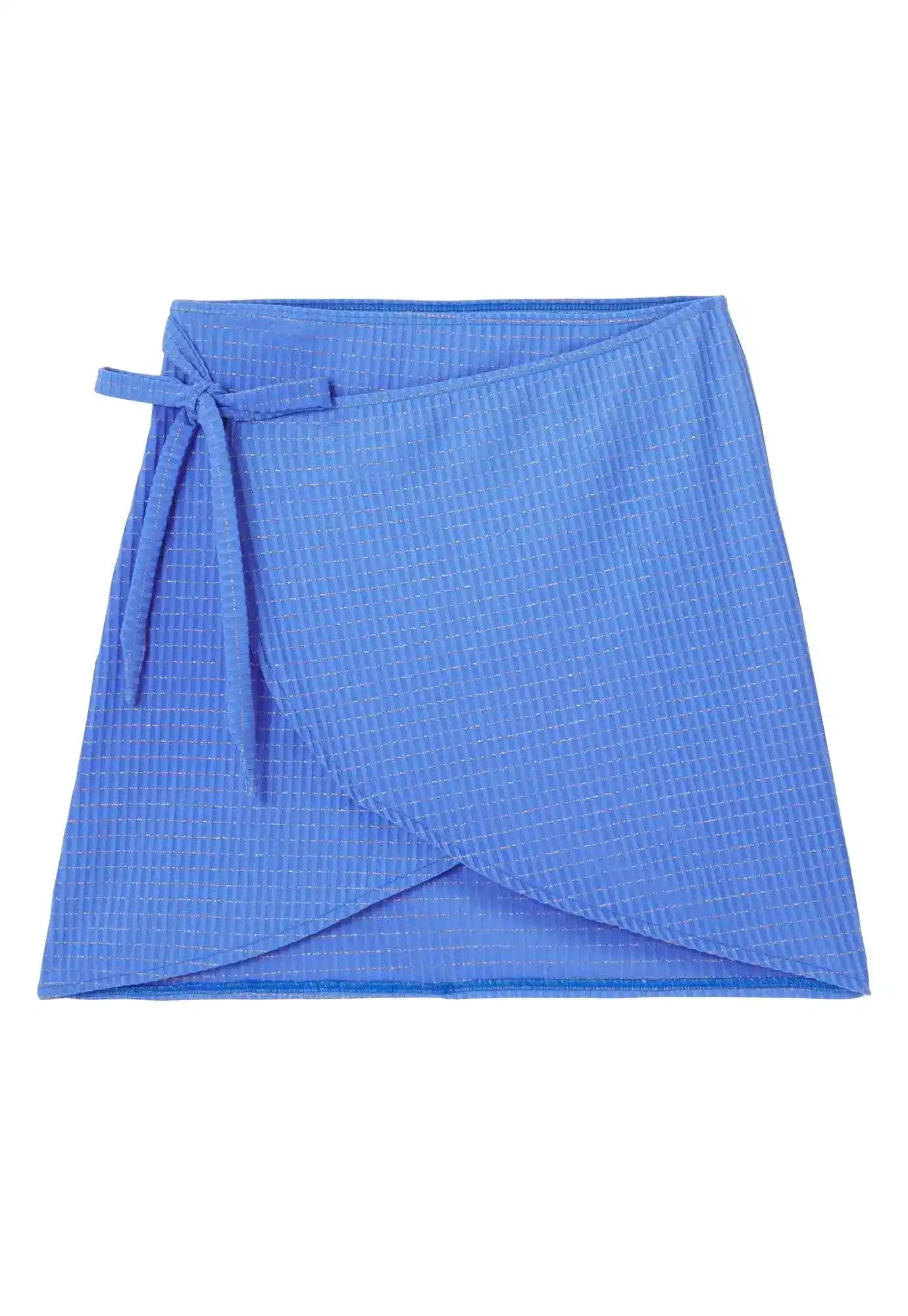


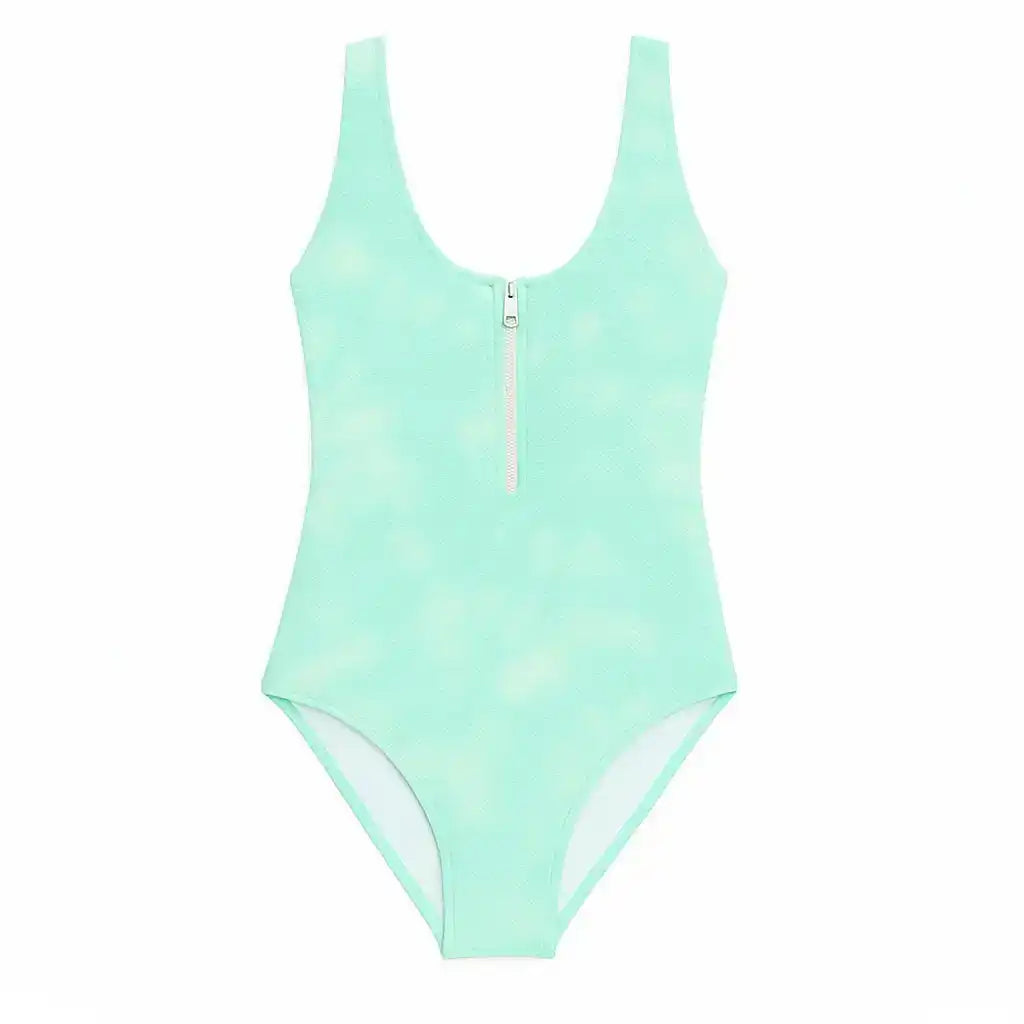
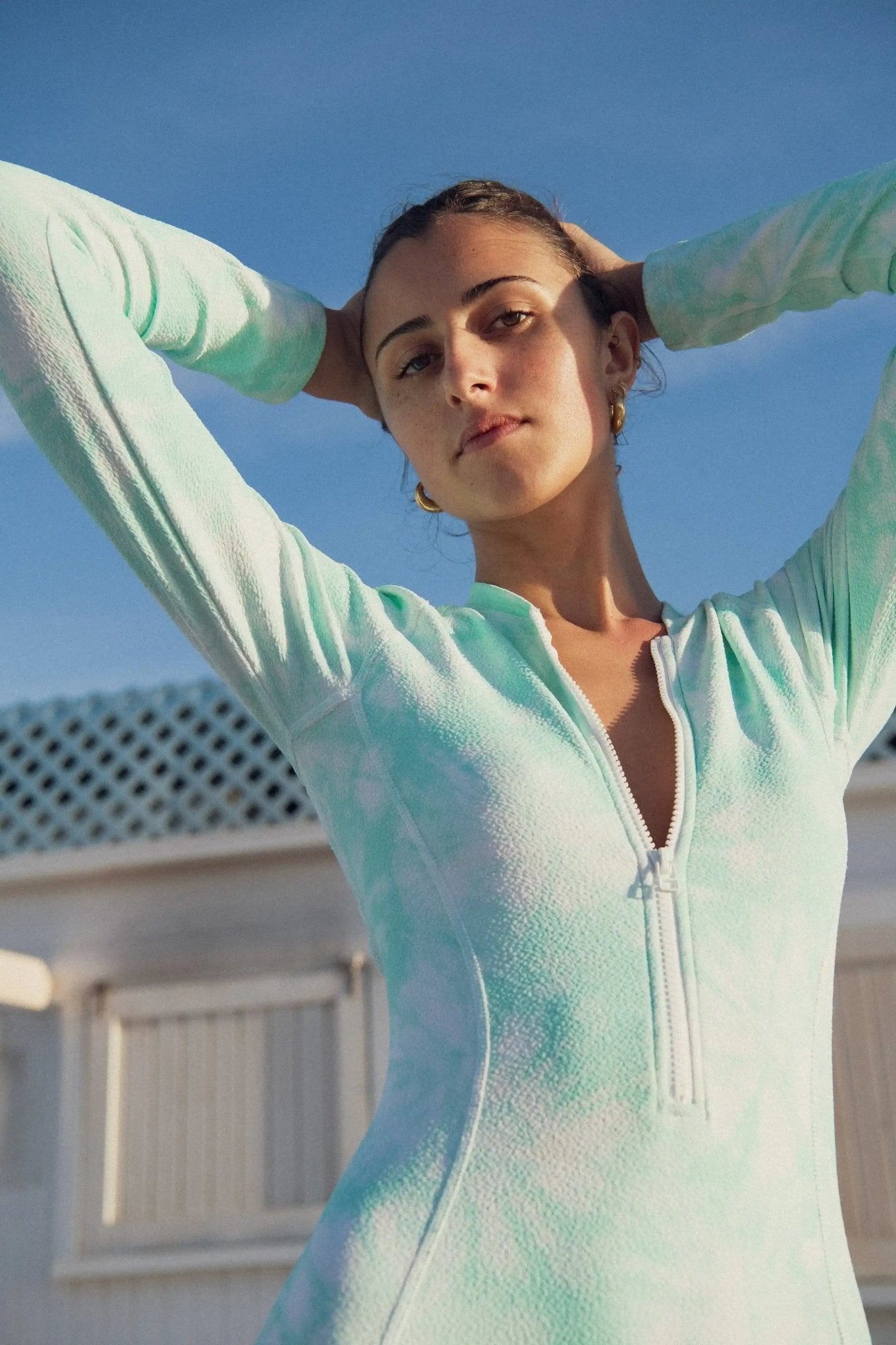
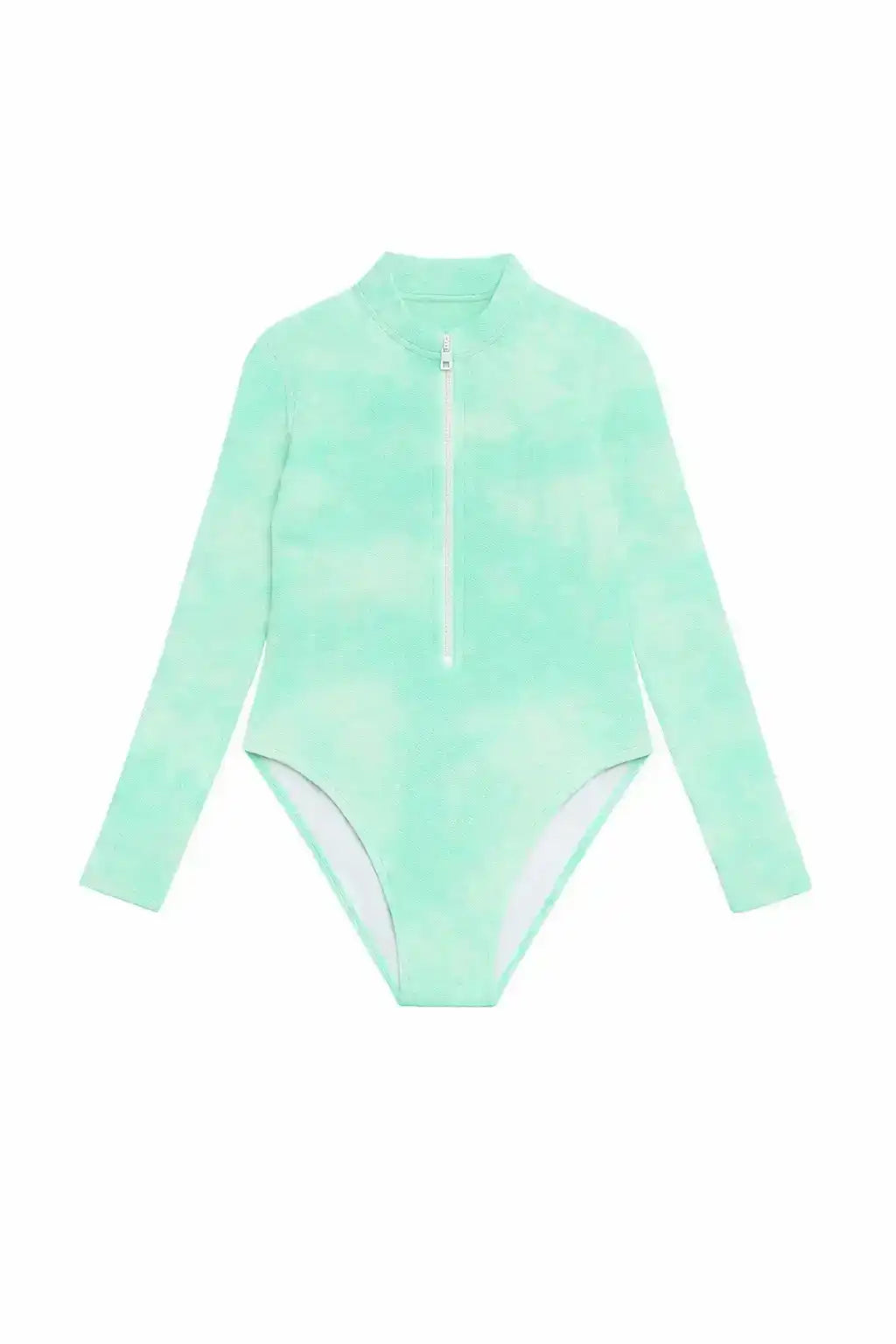



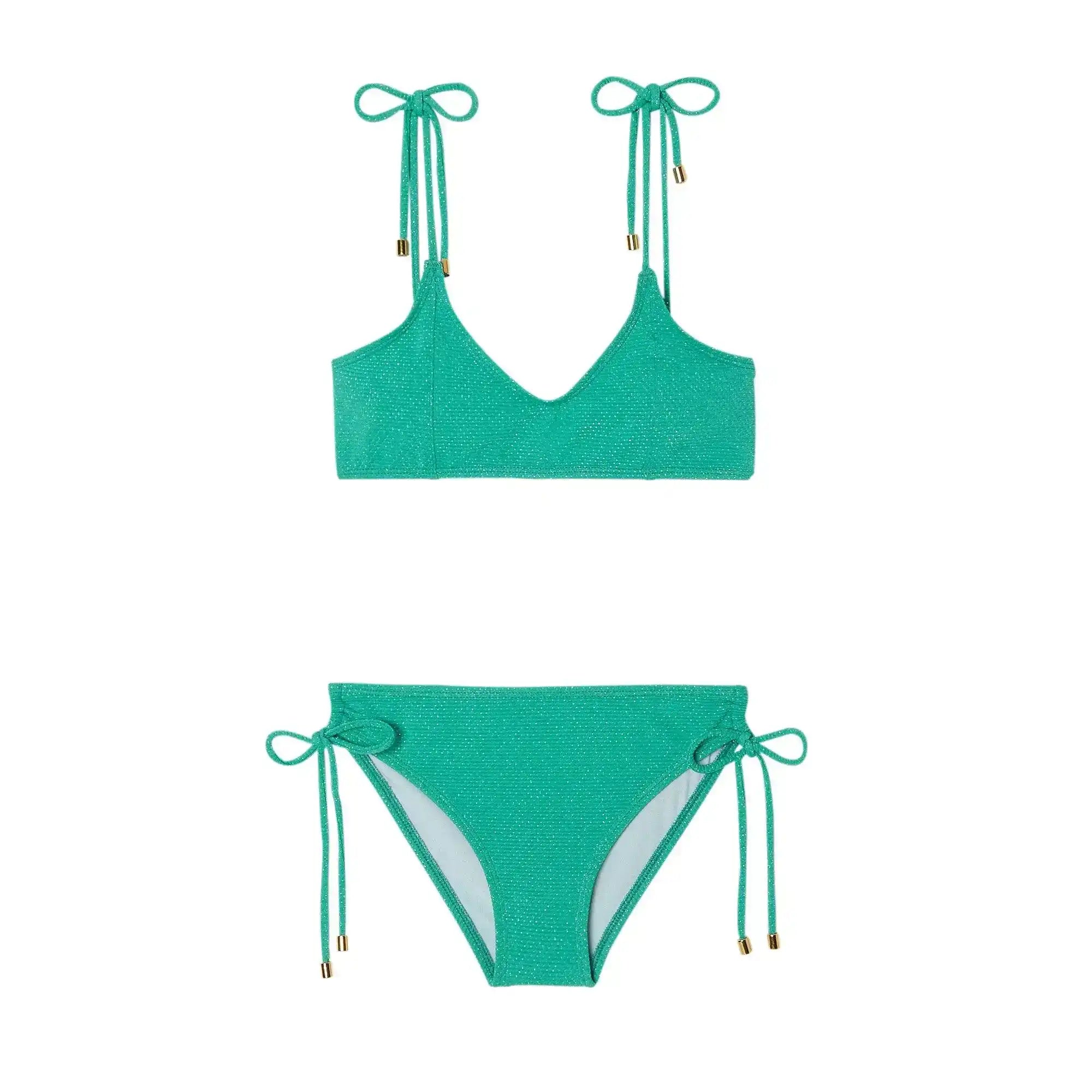

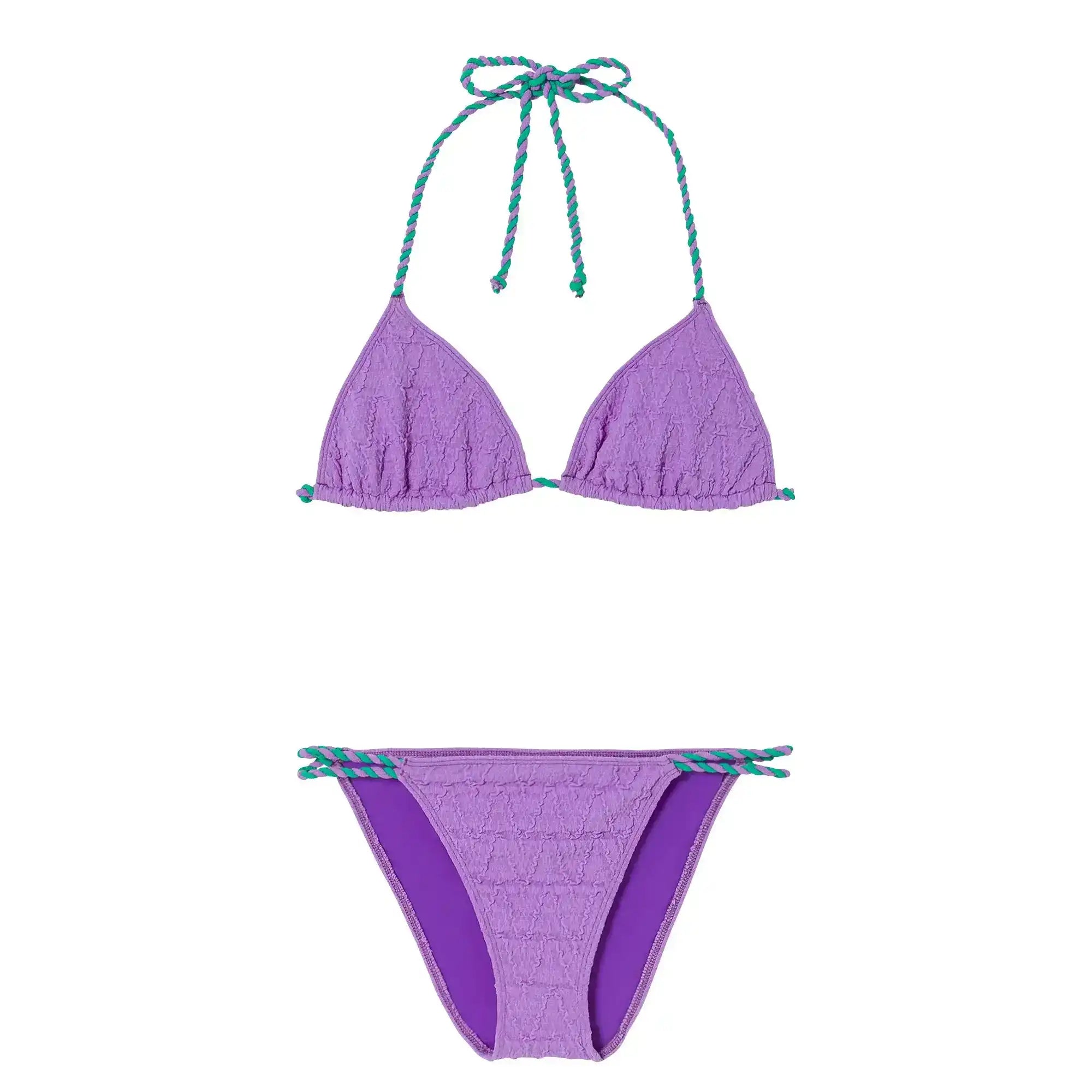
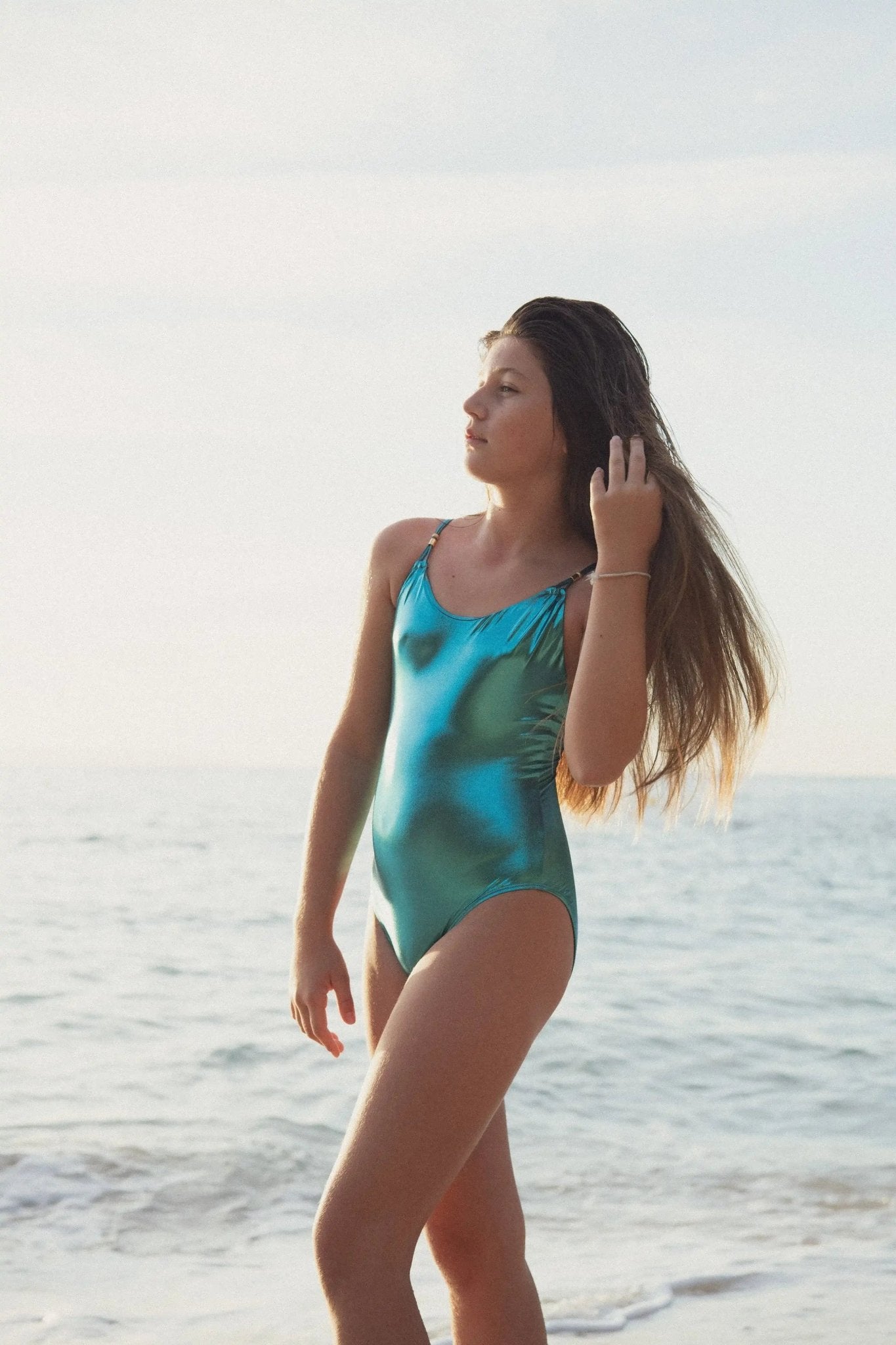
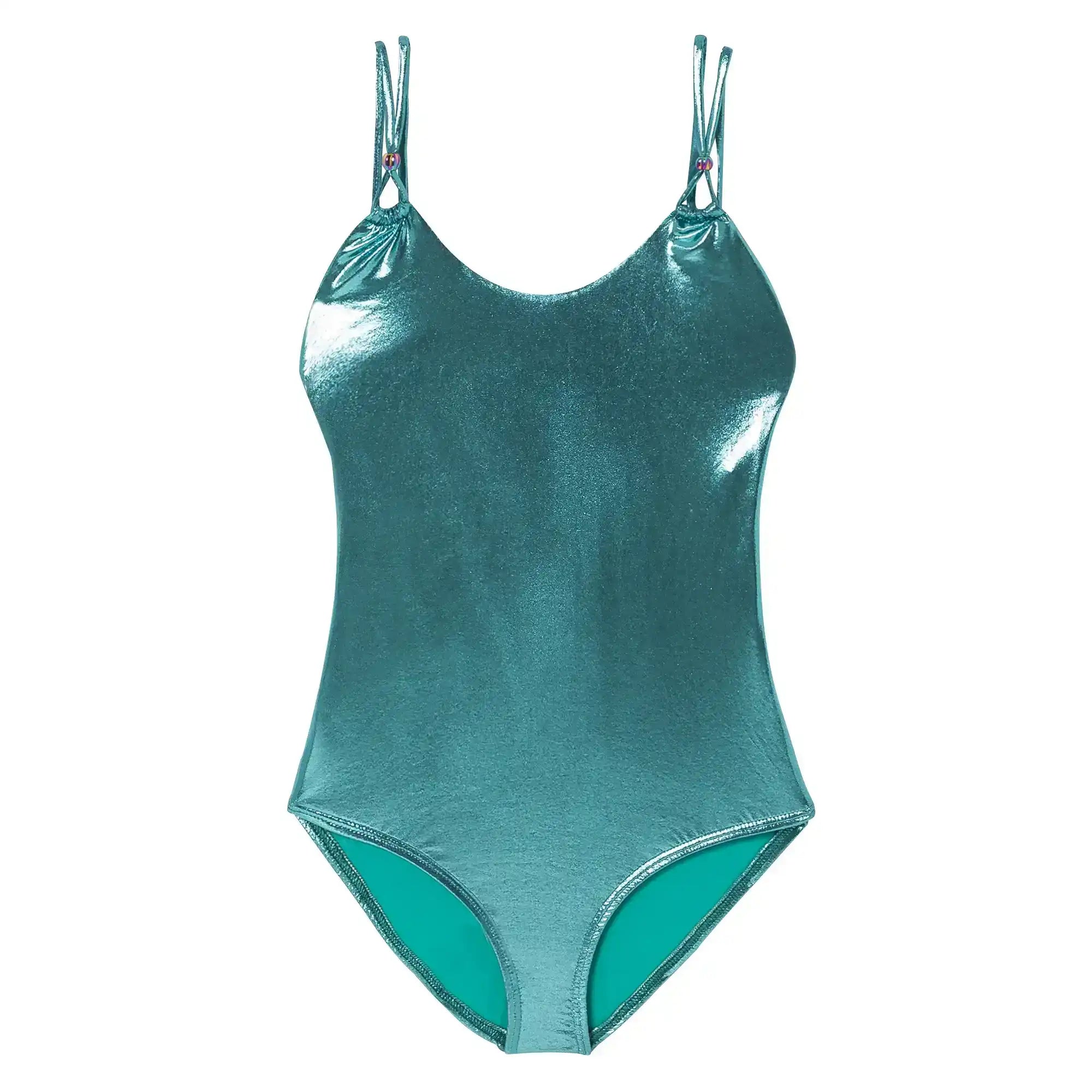

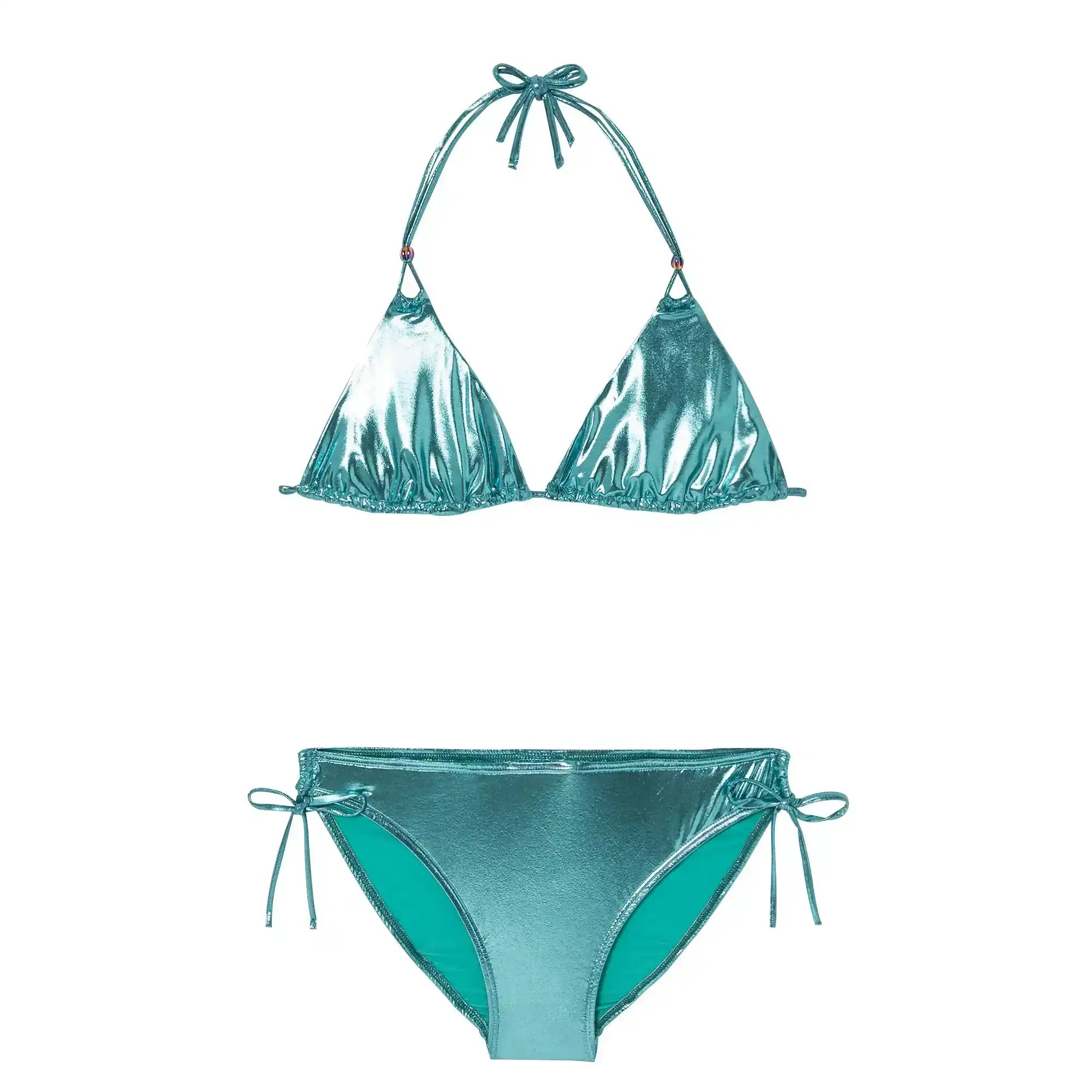


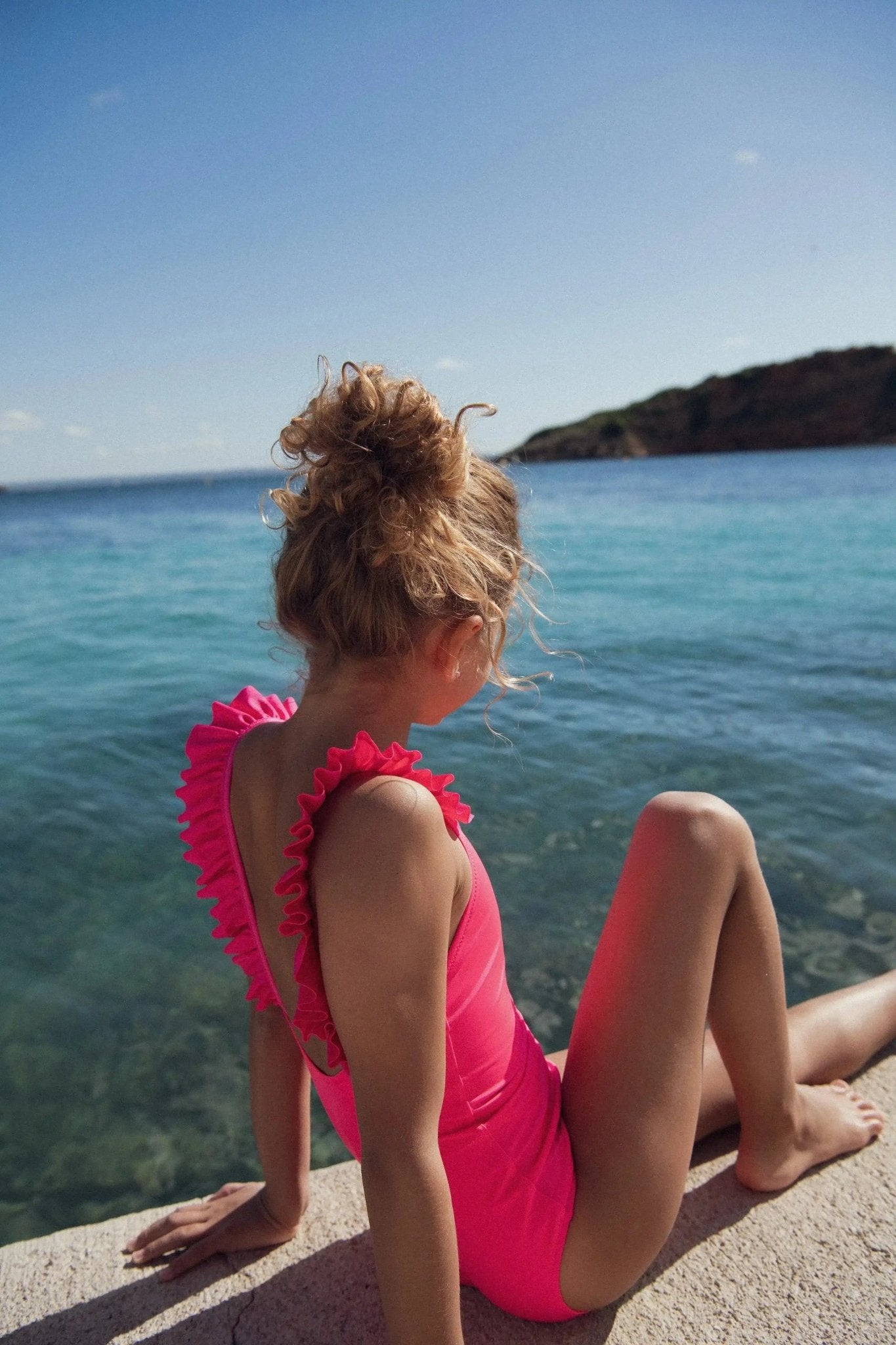
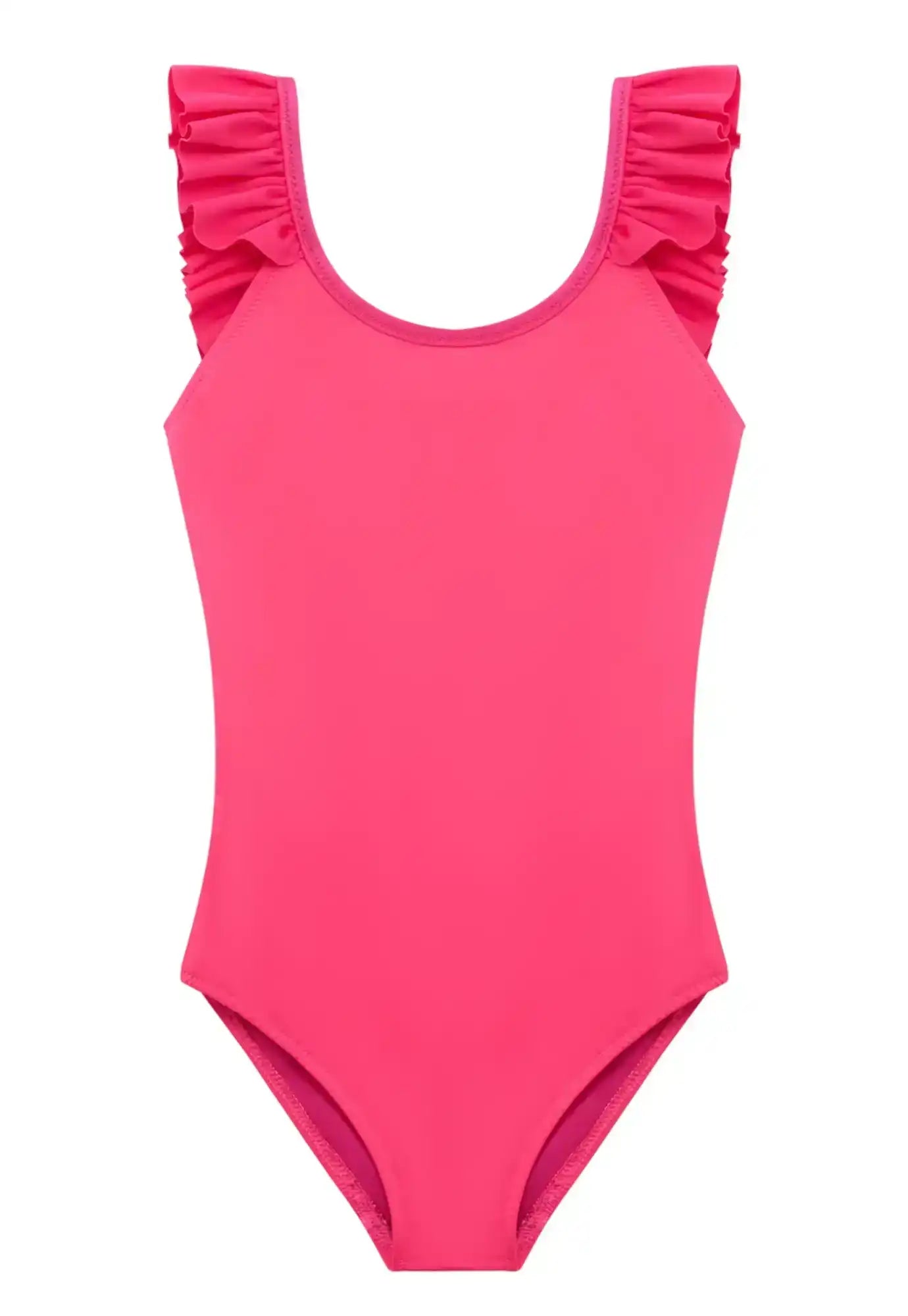



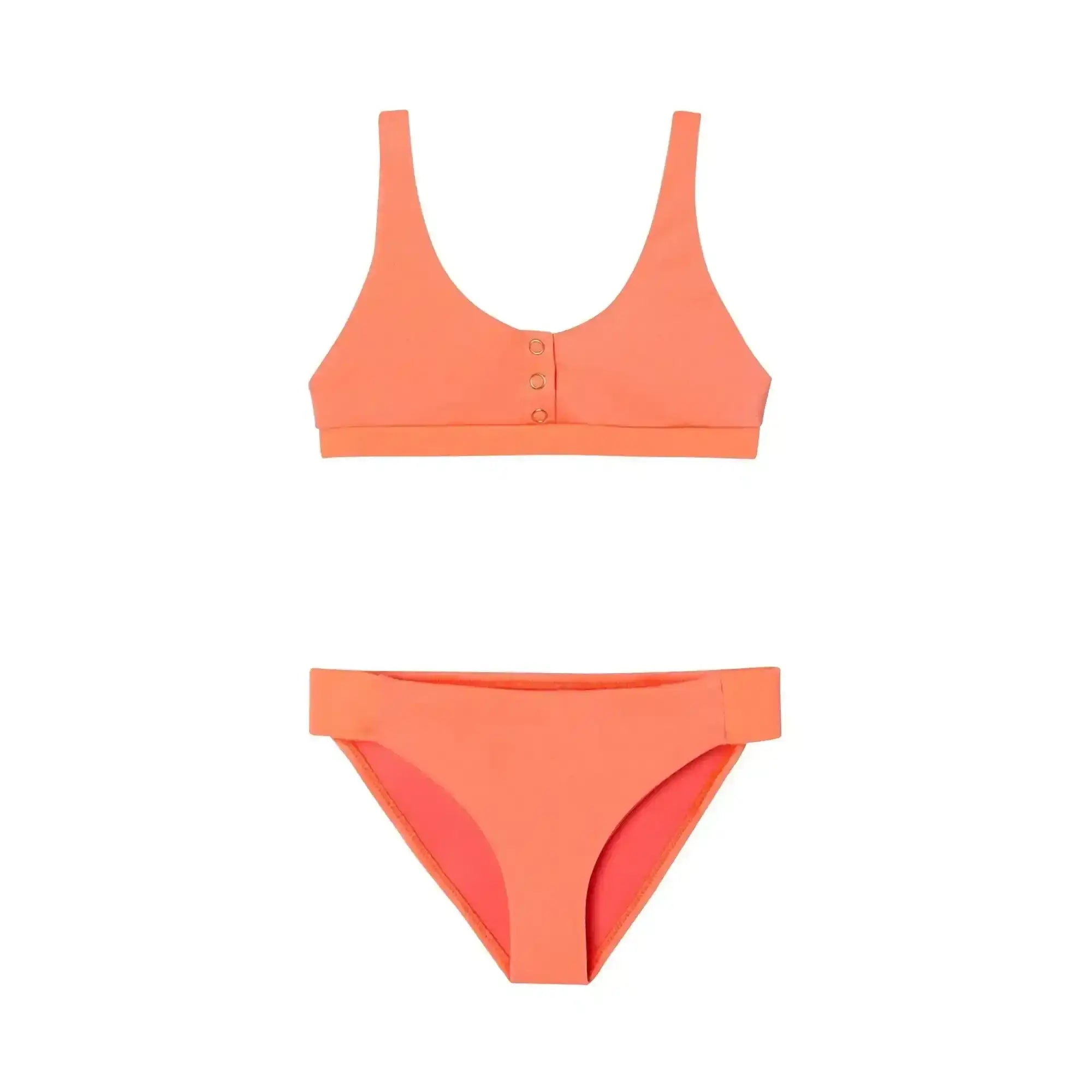
Girls swimwear for style and sun protection
Choosing the right girls swimwear means balancing comfort, durability, and sun safety. The best options use premium fabrics that resist chlorine and saltwater while offering UPF 50 protection. Many parents prefer one-piece swimsuits for younger girls, as they stay in place during active play and provide full coverage. For older children, bikinis with adjustable straps and lined interiors ensure a secure fit throughout the day.
Swimsuits for girls come in a variety of styles, from classic solids to vibrant prints inspired by French design. Some collections feature ruffle details or floral patterns that appeal to different ages, while others focus on minimalist elegance. When shopping for swimwear for children, look for fully lined pieces that prevent transparency when wet and reinforced stitching at stress points.
How to select the right fit for different ages
Toddlers need swimwear that stays put during splashing and crawling. A little girl swimsuit with snap closures at the crotch makes diaper changes easier, while elasticized legs prevent riding up. For preschoolers, one-piece swimsuits with wide straps distribute weight evenly and reduce shoulder strain. Many parents choose rash guards or long-sleeve options for extended sun exposure, especially for fair-skinned children.
School-age girls often prefer two-piece sets that allow for mix-and-match styling. A girls bikini with adjustable ties at the hips and neckline can accommodate growth spurts while maintaining a flattering silhouette. Look for swimsuits with built-in bras or modesty panels for girls entering their preteen years. The fabric should stretch in all directions without losing shape, even after repeated wear.
Concrete example: during a beach vacation in Biarritz, a mother noticed her 6-year-old’s one-piece swimsuit stayed in place while building sandcastles, unlike her friend’s loose tankini that required constant adjusting. The difference came down to the snug leg openings and reinforced seams of the better-fitting option.
Fabric technology and sun protection features
Modern girls bathing suit options incorporate advanced textiles that block harmful UV rays. UPF 50+ fabrics provide the highest level of protection, equivalent to SPF 50 sunscreen. These materials maintain their protective qualities even when stretched or wet, unlike regular cotton that loses effectiveness. Some brands use recycled polyester made from plastic bottles, which dries quickly and resists fading from chlorine exposure.
The lining inside swimsuits serves multiple purposes. It prevents see-through moments when wet and adds an extra layer of sun protection. High-quality linings are made from the same fabric as the outer layer to avoid irritation or chafing. For active children, look for four-way stretch fabrics that move with the body during swimming or beach games.
Common mistake: parents often assume darker colors provide better UV protection, but the weave density matters more than shade. A tightly woven white fabric can offer better protection than a loosely woven black one. Always check the UPF rating rather than relying on color alone.
Styling tips for beach and pool days
Matching swimwear with coordinating accessories creates a polished look for family photos. A wide-brimmed girls sun hat protects the face and neck while adding a stylish touch. Many brands offer matching cover-ups in lightweight fabrics that layer easily over swimsuits. For poolside lounging, terry cloth robes or linen tunics provide coverage without overheating.
When packing for a beach vacation, consider bringing multiple swimsuits to rotate between wears. This allows each piece to dry completely between uses, preventing mildew and extending the garment’s lifespan. A one-piece swimsuit for girls with a zippered pocket can securely hold small treasures like shells or coins for the boardwalk arcade.
For active play, avoid swimsuits with metal hardware that can rust or scratch. Plastic buckles and silicone grips inside the legs prevent slipping during climbing or sliding. Some brands offer reversible swimsuits that provide two looks in one, maximizing wardrobe options for travel.
Caring for swimwear to extend its lifespan
Proper maintenance preserves the shape and color of designer girls swimwear. Always rinse swimsuits in cool fresh water immediately after use to remove chlorine, salt, and sunscreen residue. Avoid wringing or twisting the fabric, which can damage elastic fibers. Instead, gently squeeze out excess water and lay flat to dry in the shade.
Washing swimsuits by hand with a mild detergent designed for delicates prevents fabric breakdown. Machine washing, even on gentle cycles, can cause pilling and stretch out elastic. Never use bleach or fabric softeners, as these degrade performance fabrics. For stubborn stains, spot clean with a soft brush and mild soap before rinsing thoroughly.
Storage matters just as much as cleaning. Keep swimsuits in a cool, dry place away from direct sunlight. Avoid folding them in half, which can create permanent creases in the fabric. Instead, roll them loosely or hang them on padded hangers. Before storing for the season, ensure swimsuits are completely dry to prevent mold growth.
Frequently asked questions about girls swimwear
What is the best swimsuit for a 3-year-old girl?
A one-piece swimsuit with snap closures at the crotch offers the most practical solution for toddlers. These designs allow for quick diaper changes while preventing the suit from riding up during play. Look for wide, comfortable straps that won’t dig into shoulders and elasticized leg openings that stay in place without leaving marks.
Many parents prefer swimsuits with built-in UV protection for young children. The fabric should feel soft against sensitive skin and resist fading from chlorine exposure. Some brands offer matching rash guards for added sun safety during extended beach days.
How do I know if a girls bikini fits properly?
A properly fitting bikini should cover the chest and bottom without gaping or pulling. The top should stay in place when arms are raised overhead, and the bottom should not ride up when walking or sitting. Adjustable ties at the neck and hips allow for minor size adjustments as children grow.
Check that the elastic around the legs and waist feels snug but not tight. The fabric should stretch slightly when pulled but return to its original shape. For younger girls, look for fully lined bottoms that prevent transparency when wet and provide extra coverage.
Are one-piece swimsuits better than bikinis for girls?
One-piece swimsuits offer more coverage and stay in place better during active play, making them ideal for younger children or those who spend long hours in the water. They provide full torso protection from the sun and eliminate concerns about tops coming undone during swimming or beach games.
Bikinis allow for more styling flexibility and can be easier to put on and take off. They work well for older girls who prefer mix-and-match options or want to coordinate with friends. The choice often comes down to personal preference and the specific activities planned for the day.
What fabrics are best for girls swimwear?
Polyester blends with elastane offer the best combination of durability, stretch, and chlorine resistance. These fabrics maintain their shape after repeated wear and dry quickly between uses. Look for recycled polyester options that reduce environmental impact without sacrificing performance.
For sun protection, choose fabrics with a UPF 50+ rating. These materials block 98% of UV rays even when wet. Avoid cotton swimsuits, which become heavy when wet and offer little UV protection. Nylon blends can work well but may fade faster with frequent chlorine exposure.
How often should I replace my child’s swimsuit?
Replace swimsuits when the elastic loses its stretch or the fabric becomes thin and transparent. For children who swim frequently, this may happen every 6-12 months. Signs of wear include sagging straps, loose leg openings, or faded colors that no longer return to their original vibrancy.
Proper care can extend a swimsuit’s lifespan. Rinse after each use, avoid machine washing, and store properly between seasons. Even with excellent care, growing children may need new swimsuits each season to accommodate size changes. A collection of kids' swimwear with adjustable features can help garments last longer through growth spurts.

A FREE POUCH
with your order

FREE EXCHANGE
within 30 days

FREE DELIVERY
in France

SECURE PAYMENT
CB - Visa - Mastercard - Paypal