Cookies allow us to personalize content and ads, provide social media features and analyze our traffic. We also share information about your use of our site with our social media, advertising and analytics partners, who may combine it with other information you have provided to them or that they have collected during your use of their services.
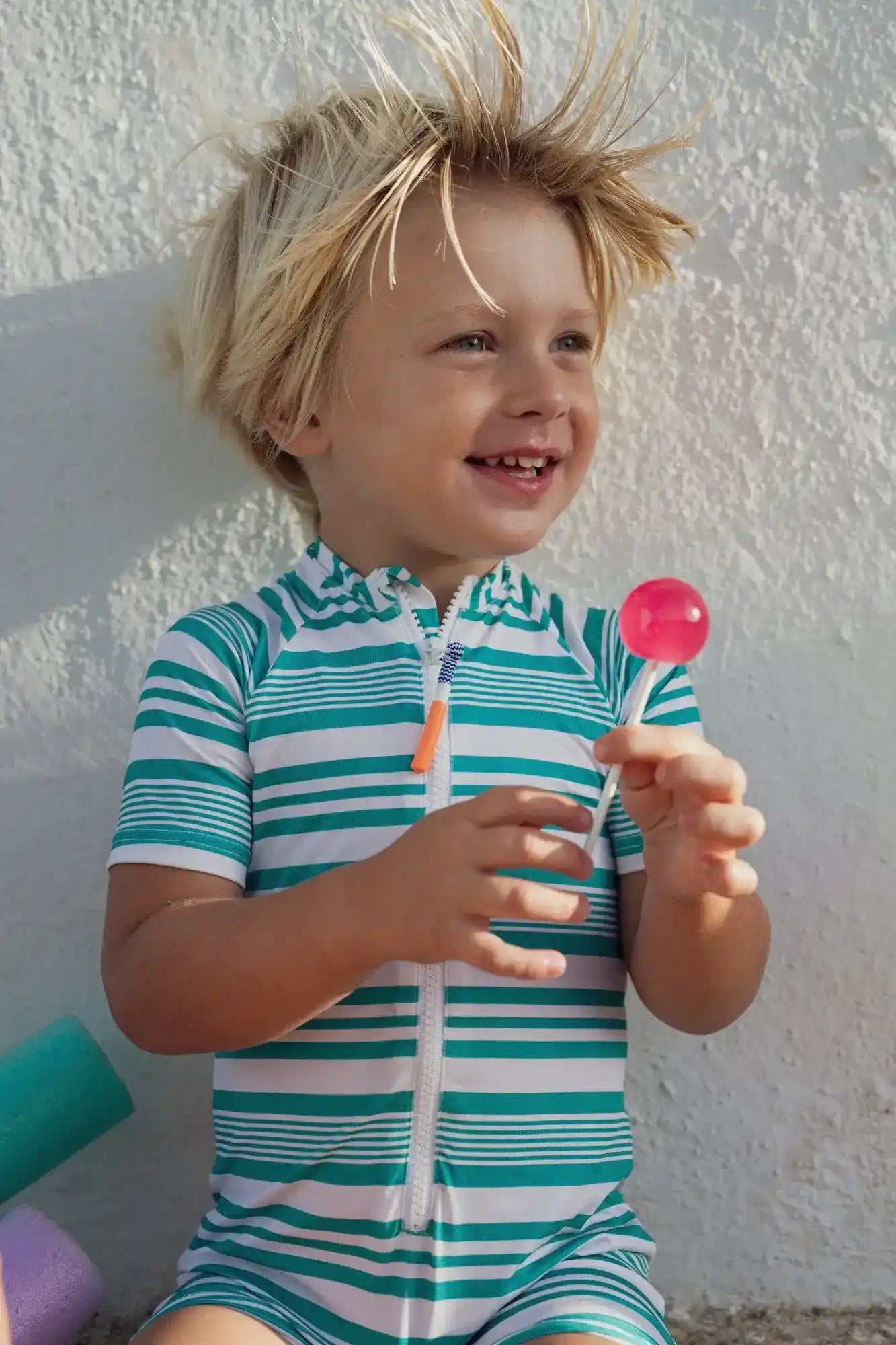
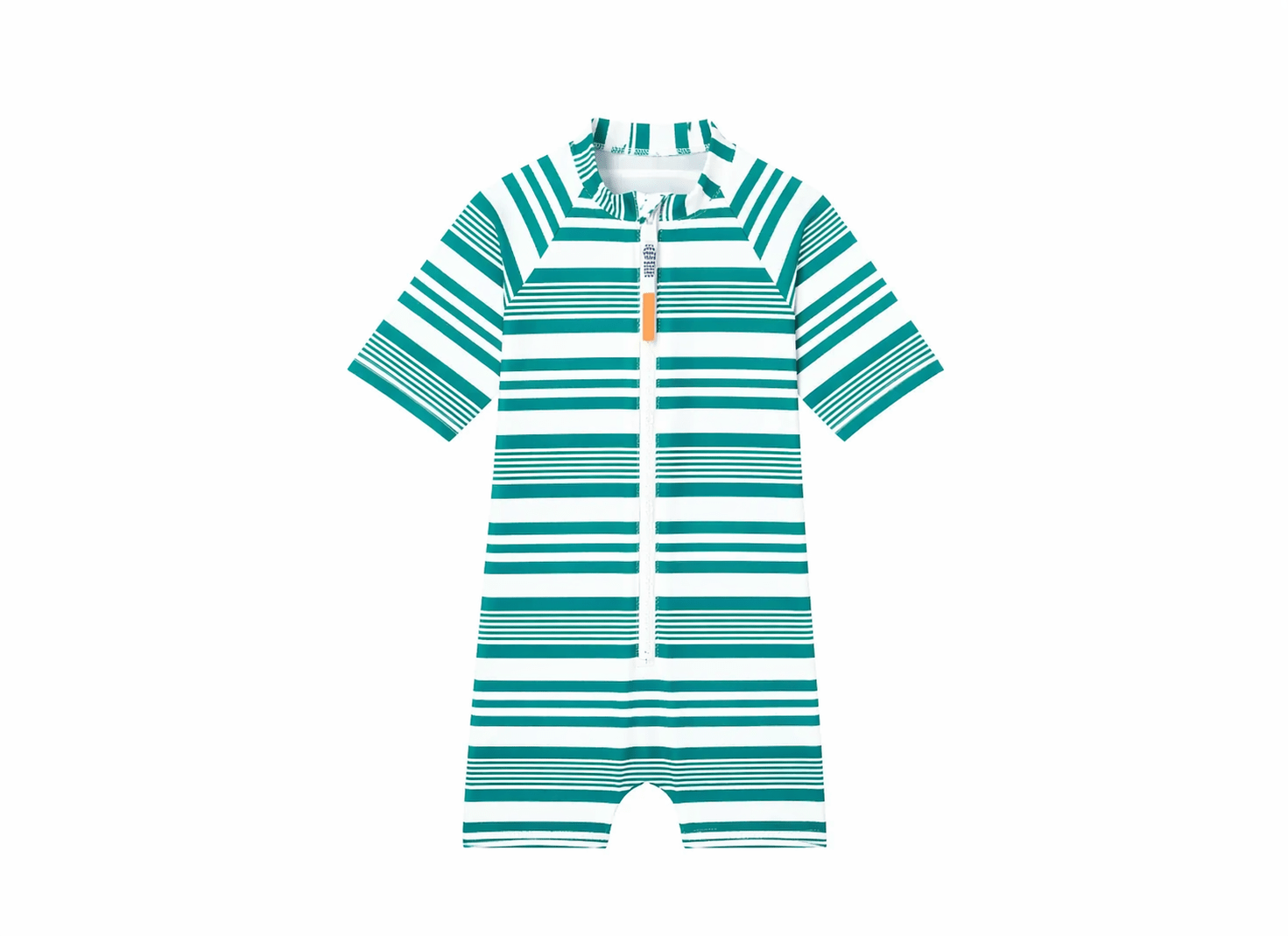
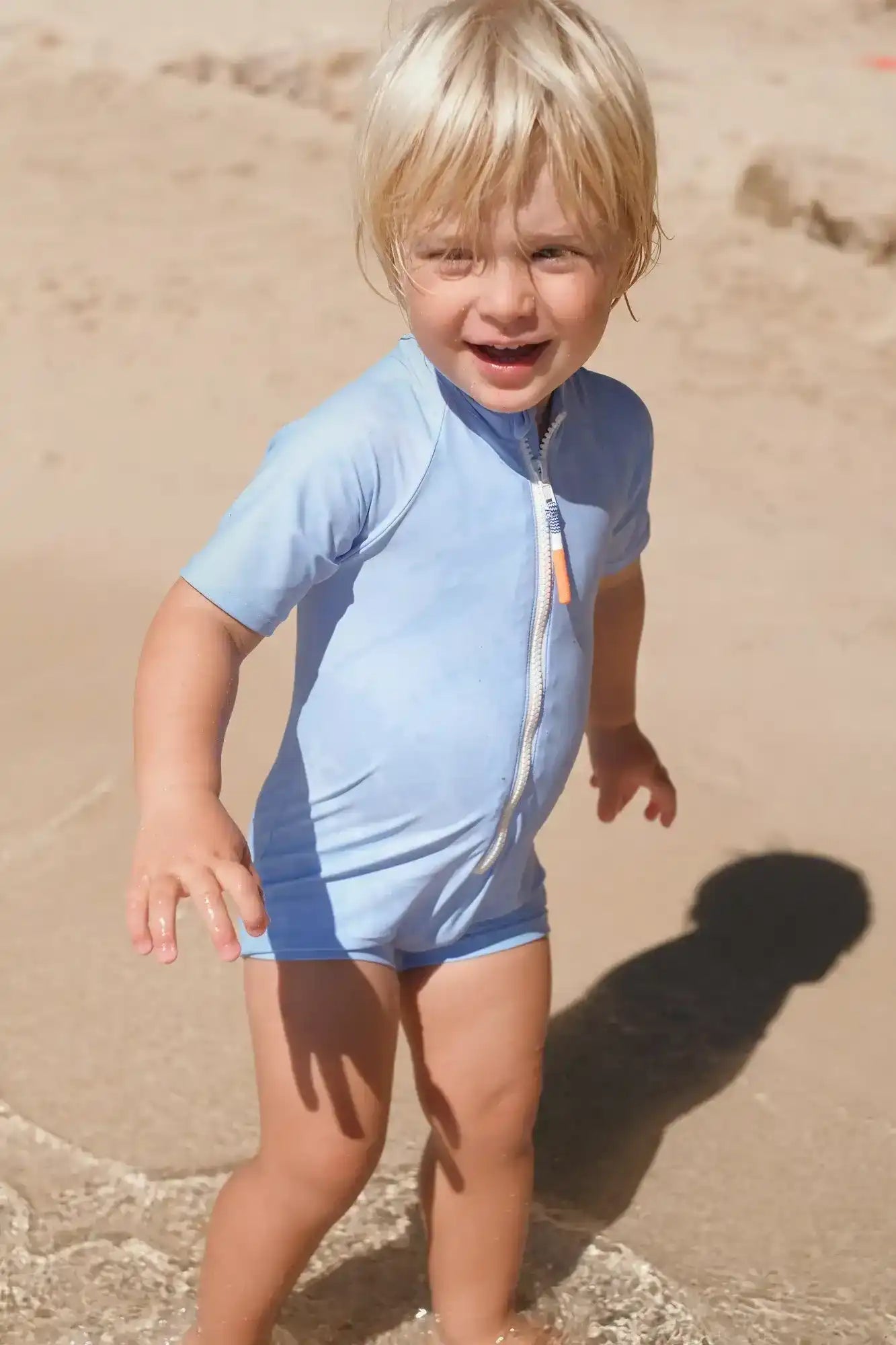
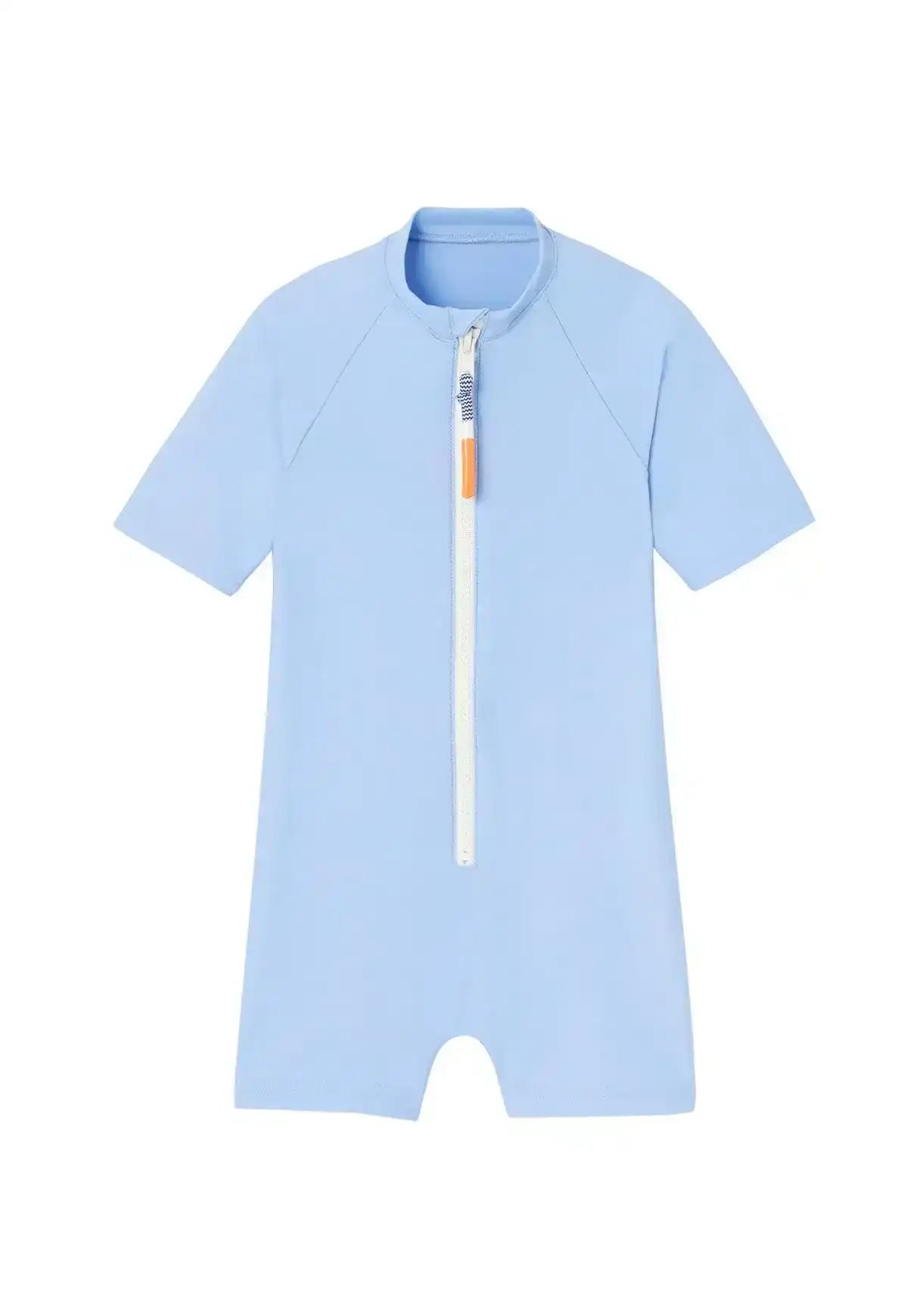
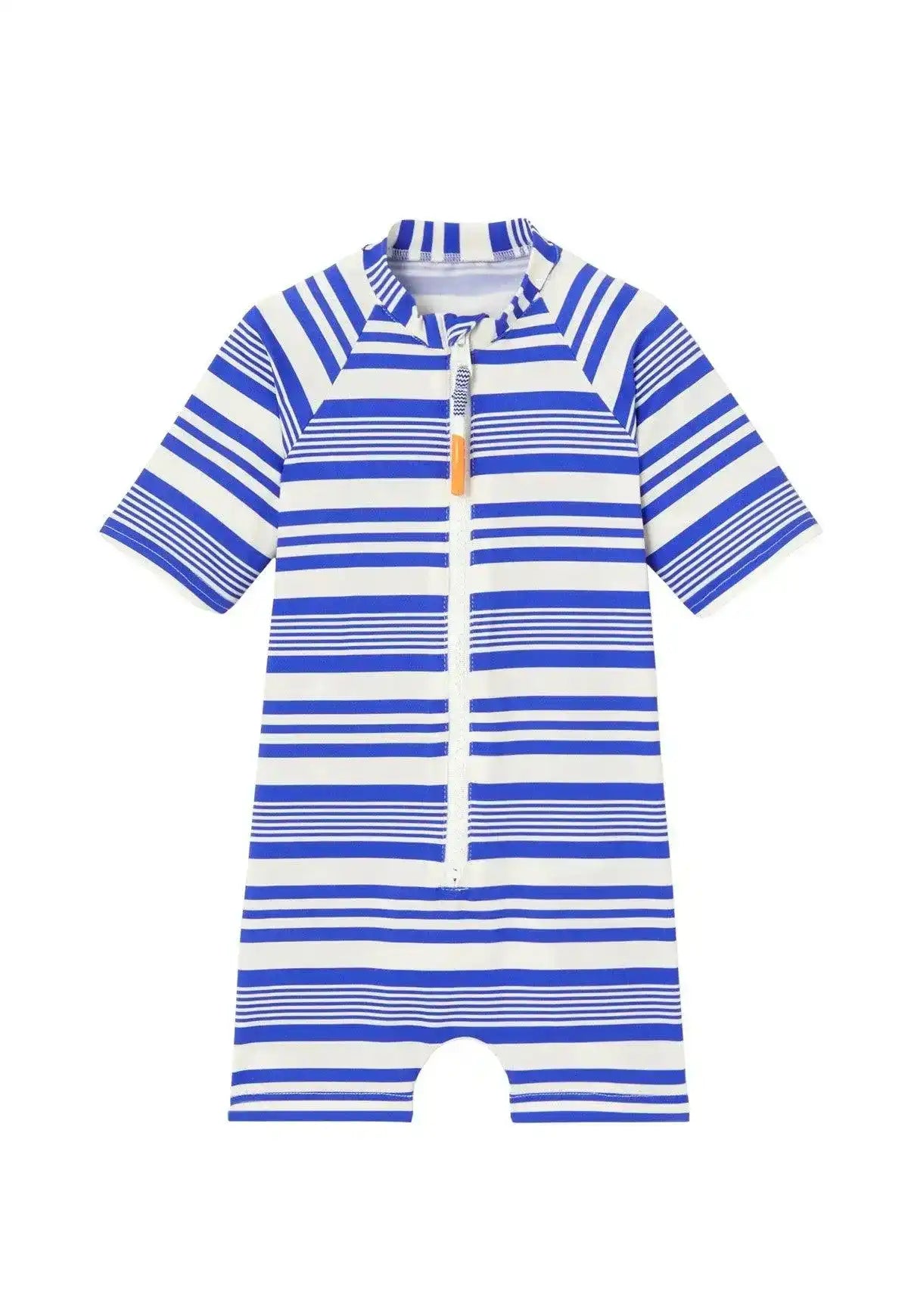
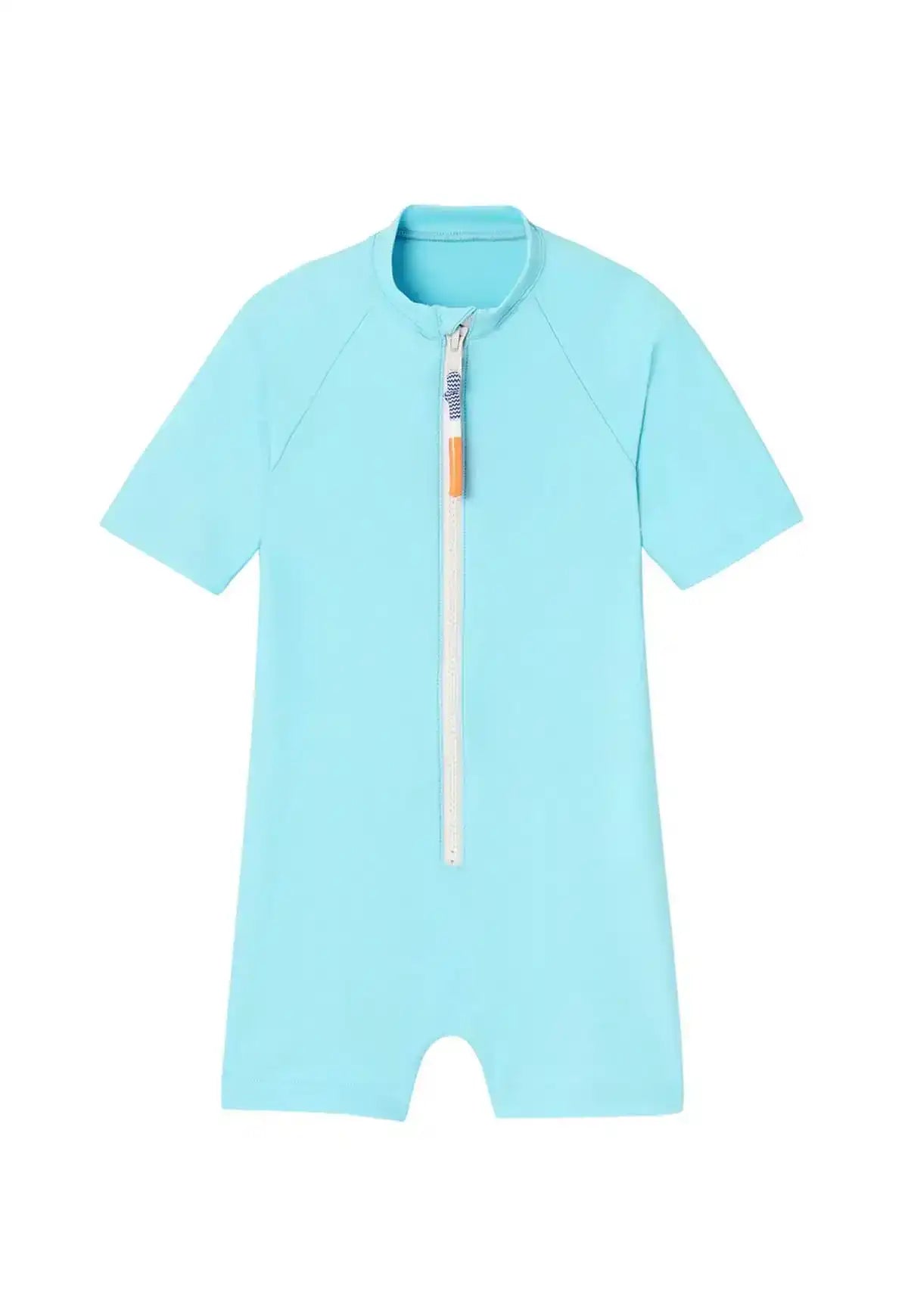
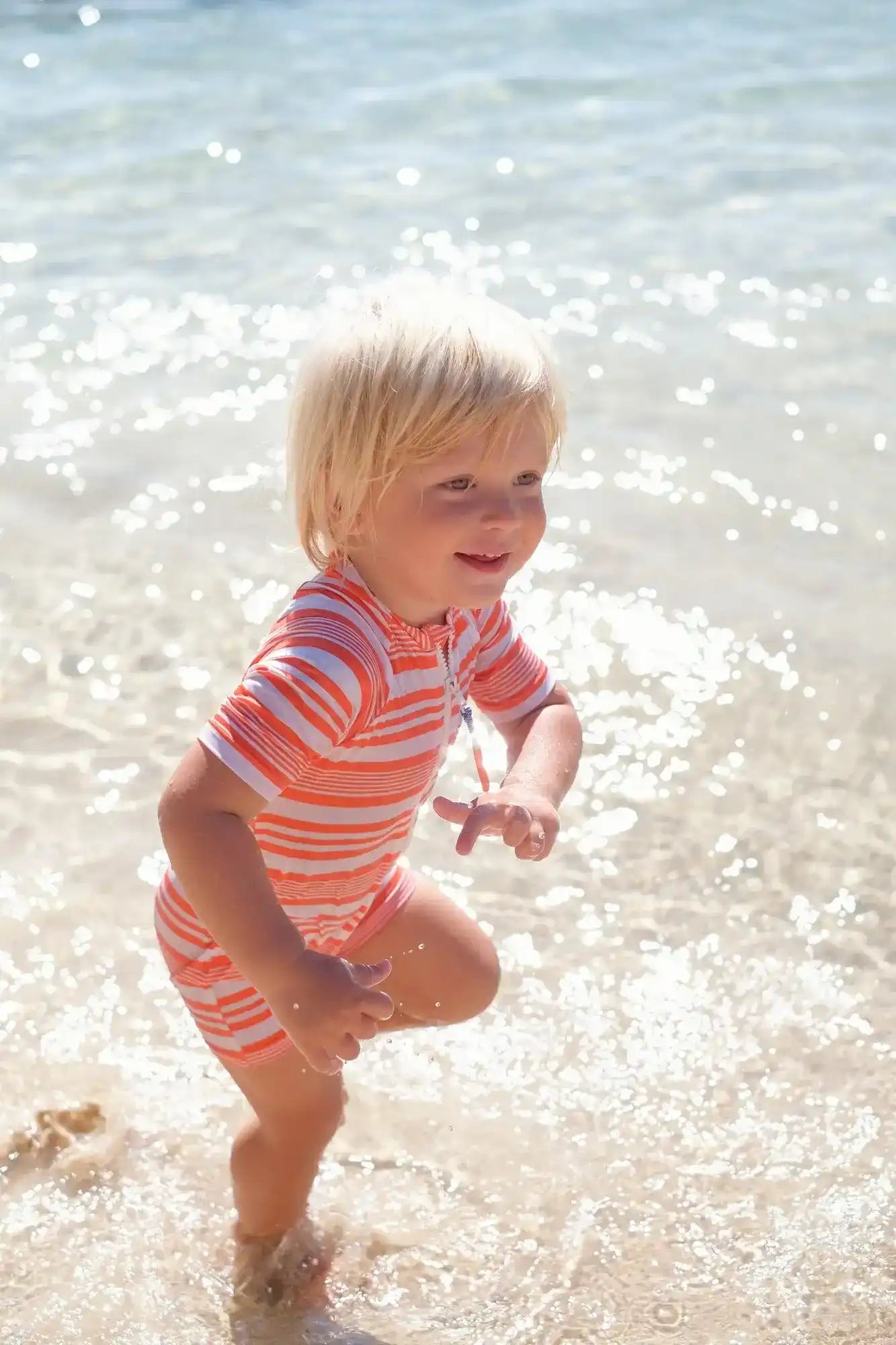
A boys rash guard provides essential sun protection while keeping young swimmers comfortable in and out of the water. Designed with UPF 50 fabric, these swim tops block harmful UV rays, making them ideal for long days at the beach or pool. The best models combine durability with a soft, lightweight feel that moves with active children.
When choosing swimwear for kids, parents often look for pieces that balance safety and style. A well-fitted swimsuit for boys ensures freedom of movement, while long sleeves add an extra layer of defense against sunburn. Many brands now offer vibrant prints and patterns that appeal to children, so protection never comes at the expense of fun.
Why UPF 50 protection matters for children
UPF 50 protection is the gold standard for sun-safe swimwear. Unlike regular clothing, which may only block a fraction of UV rays, UPF-rated fabrics are tested to ensure they filter at least 98% of UVA and UVB radiation. This level of protection is especially important for children, whose skin is more sensitive to sun damage.
In practice, a boys rash guard with UPF 50 allows kids to play outside for hours without the risk of sunburn. The fabric remains breathable, so it doesn’t trap heat or cause discomfort. Many parents pair these tops with swim shorts or board shorts for full coverage during beach trips or poolside activities.
For families traveling to sunny destinations, sun protection becomes a priority. A rash guard acts as a second skin, reducing the need for frequent sunscreen reapplication. This convenience makes it a practical choice for parents who want to minimize fuss while keeping their children safe.
How to choose the right fit and fabric
The best boys rash guard should fit snugly without restricting movement. Look for flatlock seams, which prevent chafing and irritation during active play. Fabrics with a slight stretch, like polyester-elastane blends, offer flexibility while maintaining shape after repeated use.
European brands often use high-quality materials that dry quickly and resist chlorine damage. These fabrics retain their color and elasticity longer than cheaper alternatives, making them a worthwhile investment for frequent swimmers. Some models also include mesh panels for improved ventilation, which helps regulate body temperature in warm weather.
When trying on a rash guard, check that the sleeves cover the shoulders completely and that the hem stays in place when raised. A well-designed top should stay put during swimming, surfing, or climbing on playground equipment. For younger children, consider options with a longer torso to prevent the fabric from riding up.
Styling tips for boys rash guards
A boys rash guard doesn’t have to look utilitarian. Many brands now offer designs that appeal to kids, from bold graphics to subtle prints. Pairing a long-sleeve top with swim trunks in coordinating colors creates a polished look for family photos or beach outings.
For a layered effect, some parents combine a rash guard with a girls rash guard in matching patterns. This approach works well for siblings or group activities, ensuring everyone stays protected while looking put-together. Neutral tones like navy, gray, or white pair easily with any swim bottom, while brighter shades add a playful touch.
Accessories can elevate the look further. A wide-brimmed hat and UV-blocking sunglasses complete the sun-safe ensemble. For water sports, consider adding swim shoes to protect feet from hot sand or rocky shores. These additions make the outfit functional and stylish, whether for a day at the pool or a seaside vacation.
Caring for your child’s rash guard
Proper care extends the life of a boys rash guard. After each use, rinse the garment in fresh water to remove chlorine, salt, or sand. Avoid wringing it out, as this can damage the fabric’s elasticity. Instead, gently squeeze out excess water and lay it flat to dry in the shade.
Machine washing is safe for most rash guards, but use a gentle cycle and cold water. Skip fabric softeners, as they can break down the fibers and reduce UV protection over time. Always air-dry the garment—heat from a dryer can cause shrinkage and weaken the fabric’s sun-blocking properties.
Store the rash guard in a cool, dry place when not in use. Folding it neatly prevents creases that could compromise the fabric’s integrity. With proper maintenance, a high-quality rash guard can last multiple seasons, making it a cost-effective choice for families who spend time outdoors.
Frequently asked questions about boys rash guards
What is the difference between UPF and SPF?
UPF measures how much UV radiation a fabric blocks, while SPF applies to sunscreen. A UPF 50 rash guard blocks 98% of UV rays, whereas SPF 50 sunscreen must be reapplied every two hours. Fabrics with UPF ratings provide consistent protection without the need for reapplication.
Can a boys rash guard be worn outside of water?
Yes, many rash guards are designed for all-day wear. The lightweight, breathable fabric makes them suitable for outdoor play, hiking, or even as a base layer under clothing. Look for models with moisture-wicking properties to keep kids cool in warm weather.
How do I know if a rash guard fits correctly?
A well-fitted rash guard should feel snug but not tight. The sleeves should cover the shoulders completely, and the hem should stay in place when the arms are raised. If the fabric gaps or rides up, the size may be too large. For growing children, consider sizing up to allow room for movement.
Are rash guards only for boys?
No, rash guards are unisex and come in styles for all children. Many brands offer the same protective features in designs tailored for girls, including vibrant prints and feminine cuts. The key is choosing a model with the right fit and UPF rating for the child’s needs.
For families with multiple kids, swimwear for children often includes matching or coordinating options. This makes it easy to find pieces that suit everyone while maintaining a cohesive look for group outings.
Do rash guards protect against jellyfish stings?
While rash guards reduce the risk of jellyfish stings, they don’t offer complete protection. The tight weave of UPF fabric makes it harder for tentacles to penetrate, but some species can still sting through the material. For added safety, consider applying a sting-resistant lotion or choosing a thicker fabric for areas with known jellyfish populations.
Je l'ai commandé le jour de sa sortie. Je le trouve tout simplement magnifique et il est ultra confortable, bien que je fasse du 18 ans et que je l'ai pris en 16 ans, preuve de la qualité du maillot !
Je l'ai commandé le jour de sa sortie. Je le trouve tout simplement magnifique et il est ultra confortable, il est parfait avec ma queue de sirène et donc, il sublimera mes shooting photos.
Your exquisite design was the absolute highlight of our annual summer photoshoot with my daughter. Your swimwear captured her carefree spirit and vibrancy, making every cherished memory even more beautiful amidst the sun and water. Thank you for your stunning style that perfectly complemented our special moments!
Lison Paris
katell le bronec
Très joli maillot
Très joli maillot. Il va parfaitement a ma fille. La couleur verte est très lumineuse.
Maillot de bain deux pièces filles, vert | MOJITO 2P
Sigismonde
Très jolis
Ravissants maillots de bains pour les petites filles. Il manque parfois des tailles, malheureusement.
Maillot de bain une pièce fille anti UV à volants, corail fluo | BORA BORA 1P
Emily
Amazing customer service
Would highly recommend, their customer service is 10/10 and products beautiful.
Maillot de bain une pièce manche longue, violet | POPPY BEBE
Priyanka Sengupta
perfect fit
My daughter loved the bathing suit. She is 11 and I got it for her for Xmas. It arrived very quickly. The quality is very nice.
Maillot de bain deux pièces fille, rayures roses | ARIZONA 2P