
Filters
44 products


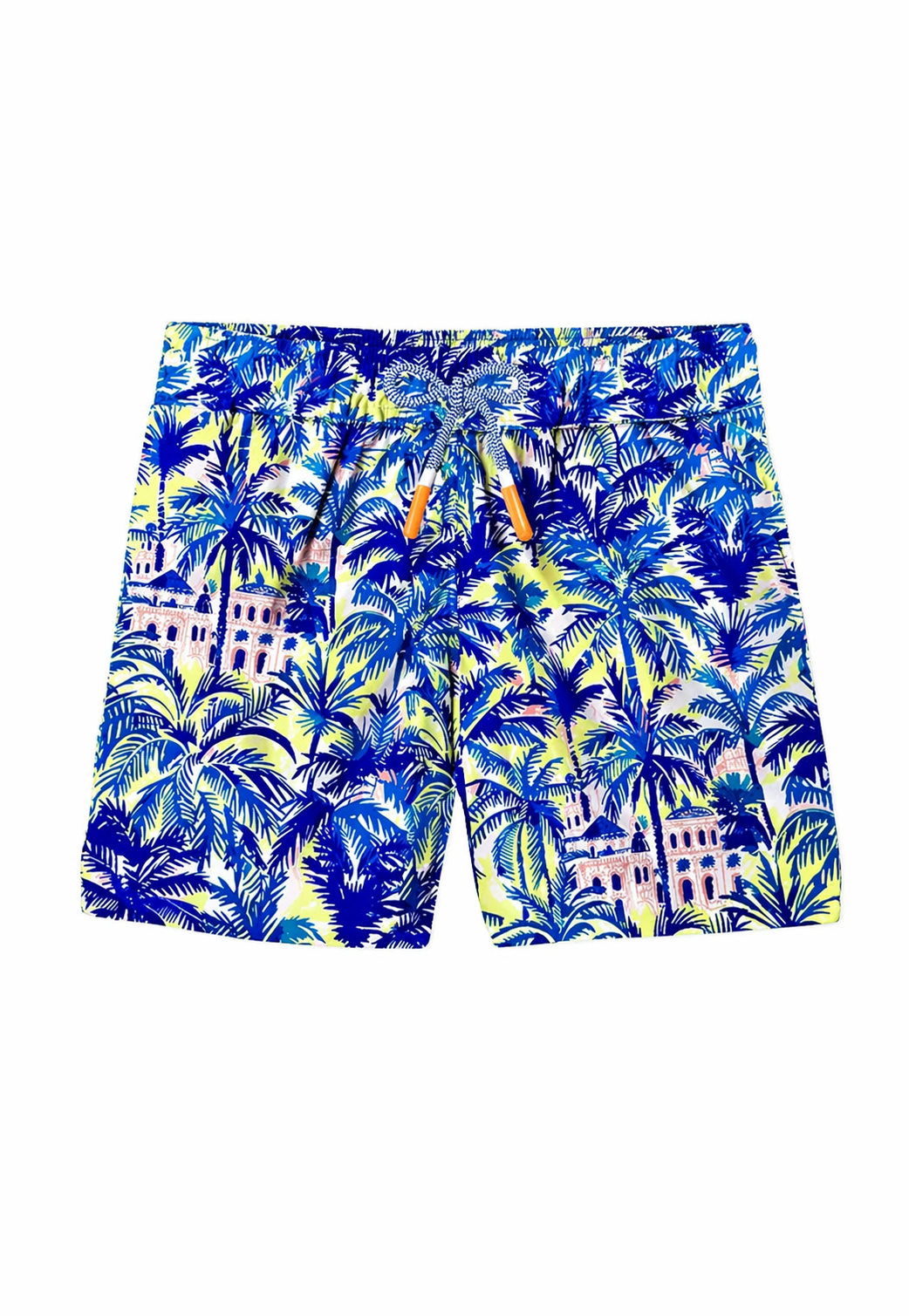
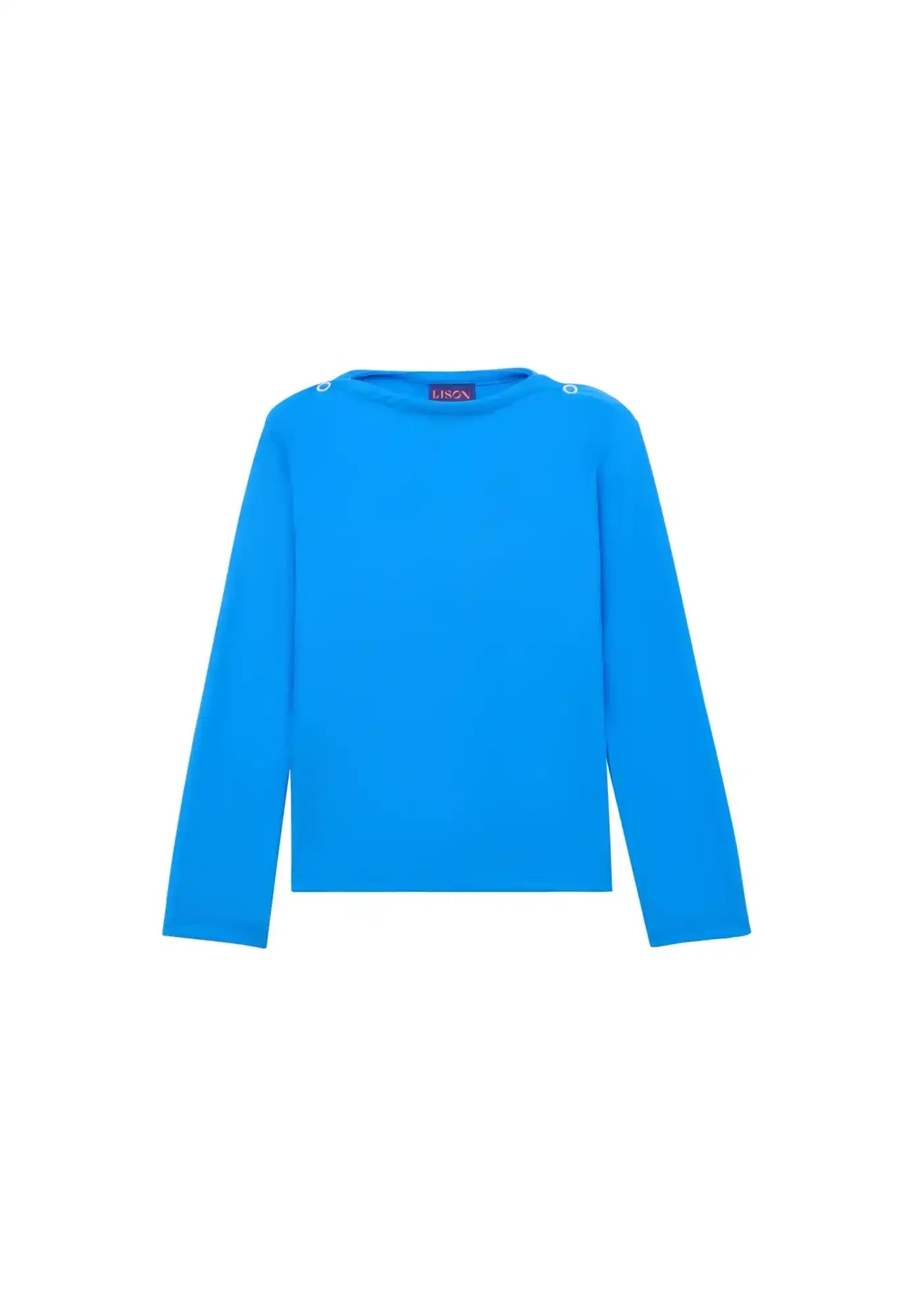


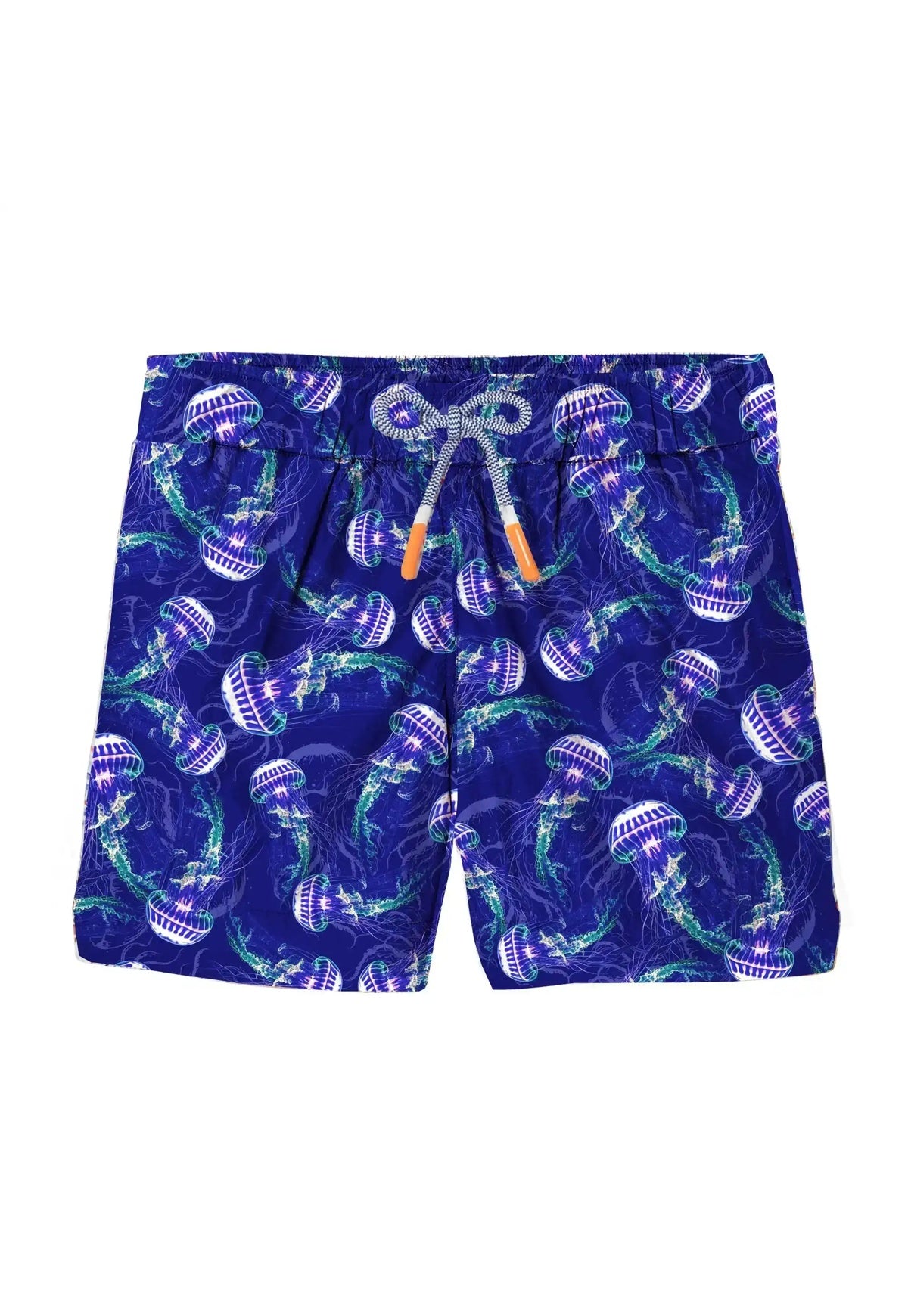


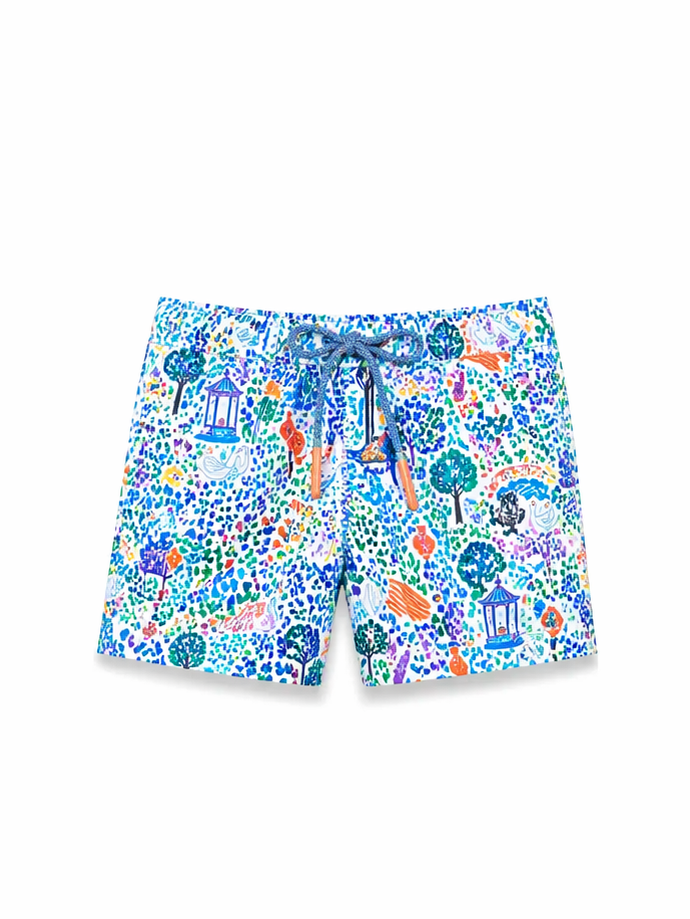

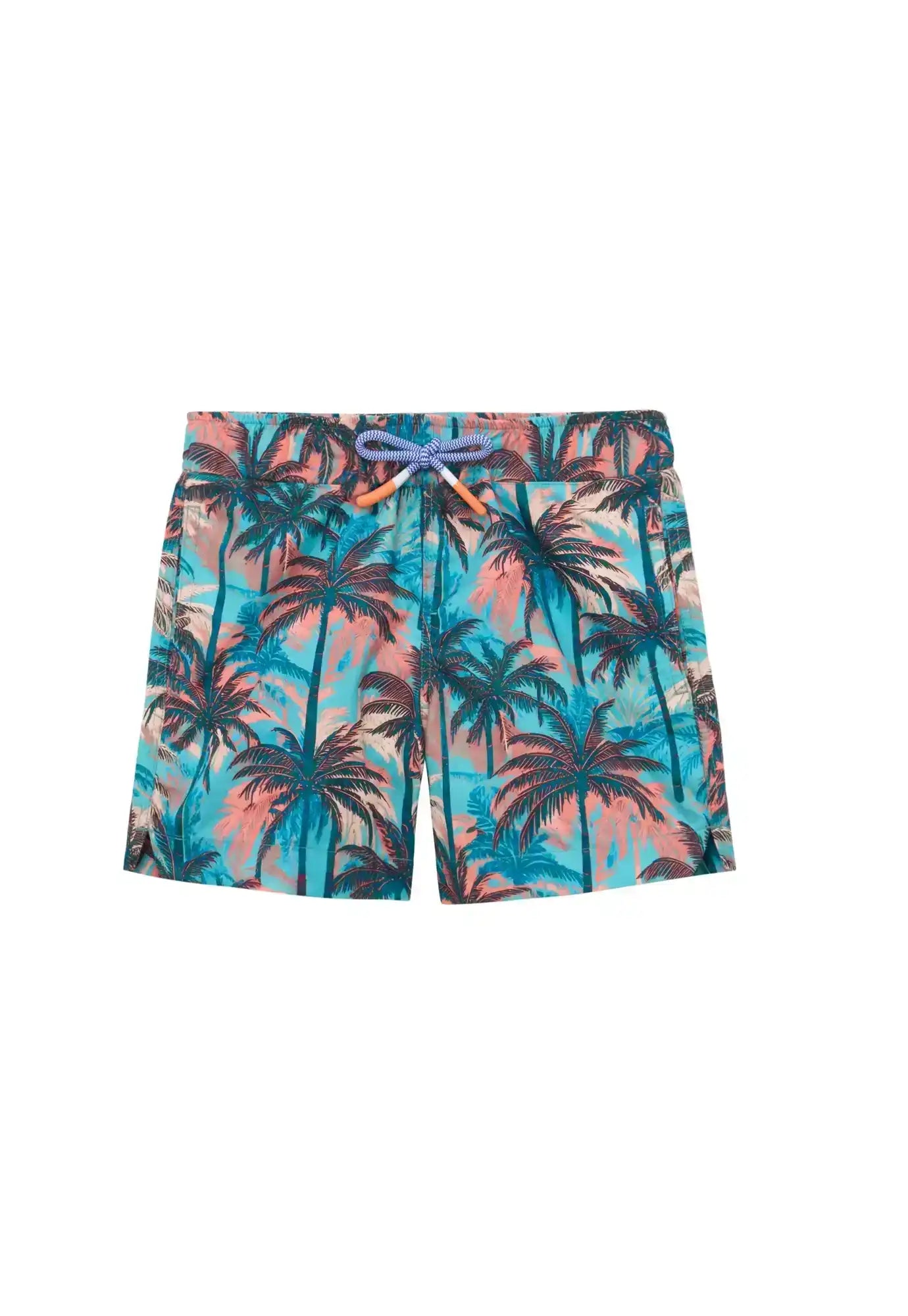

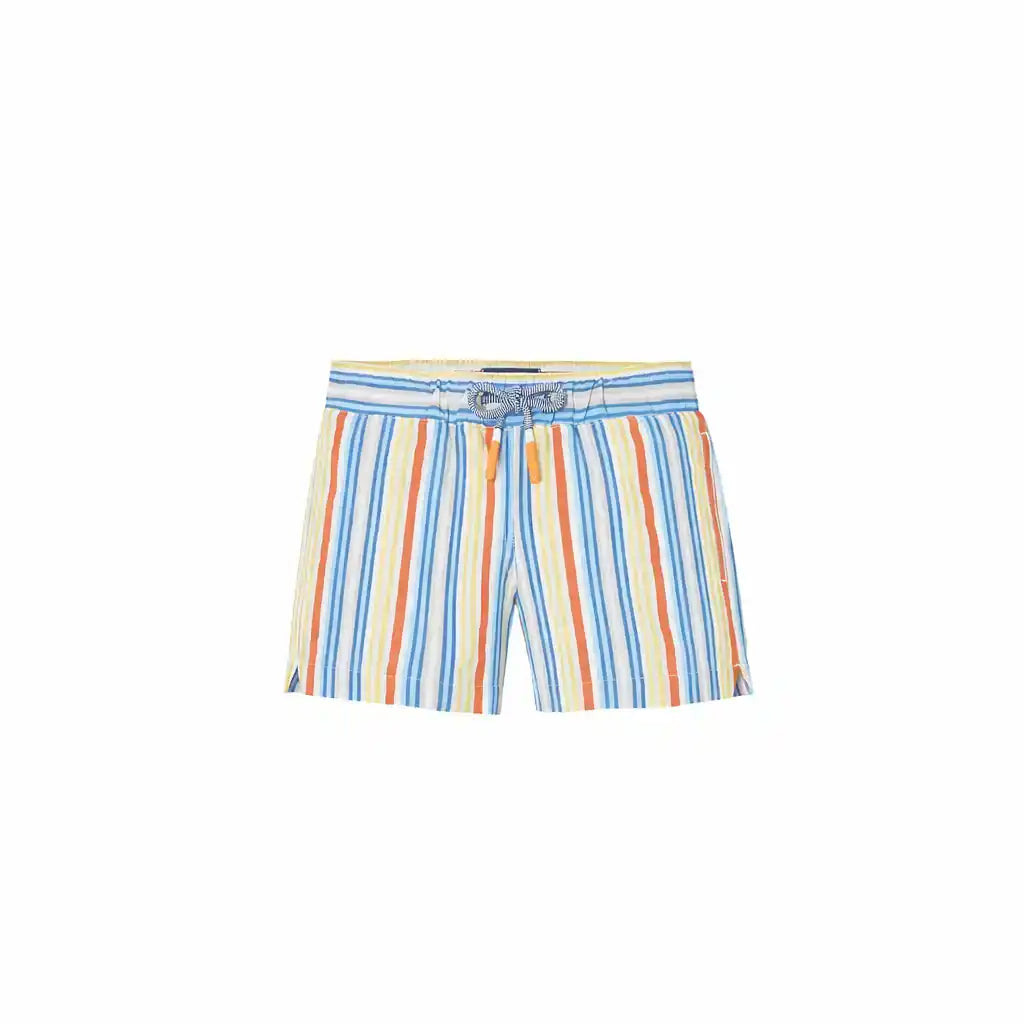



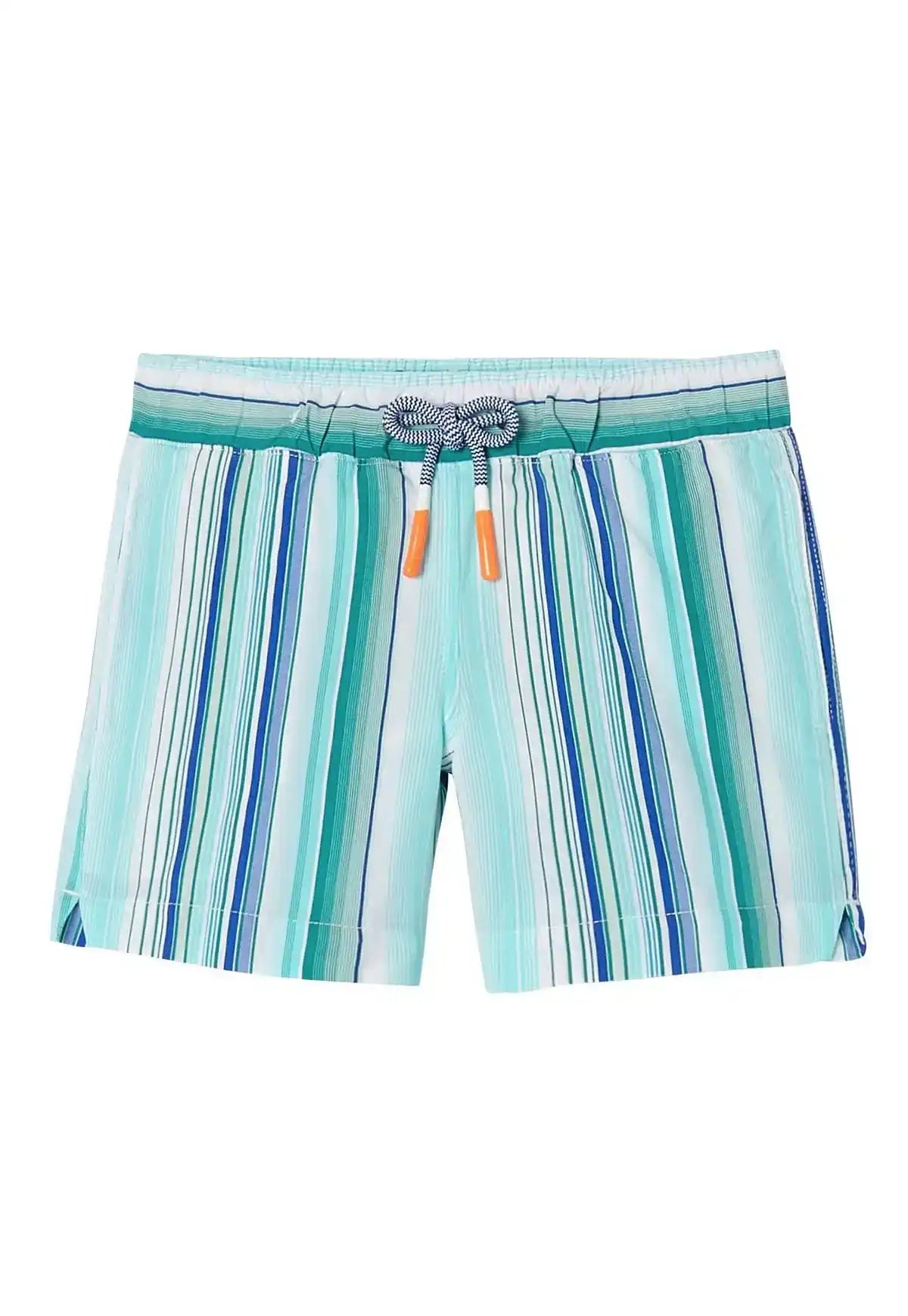

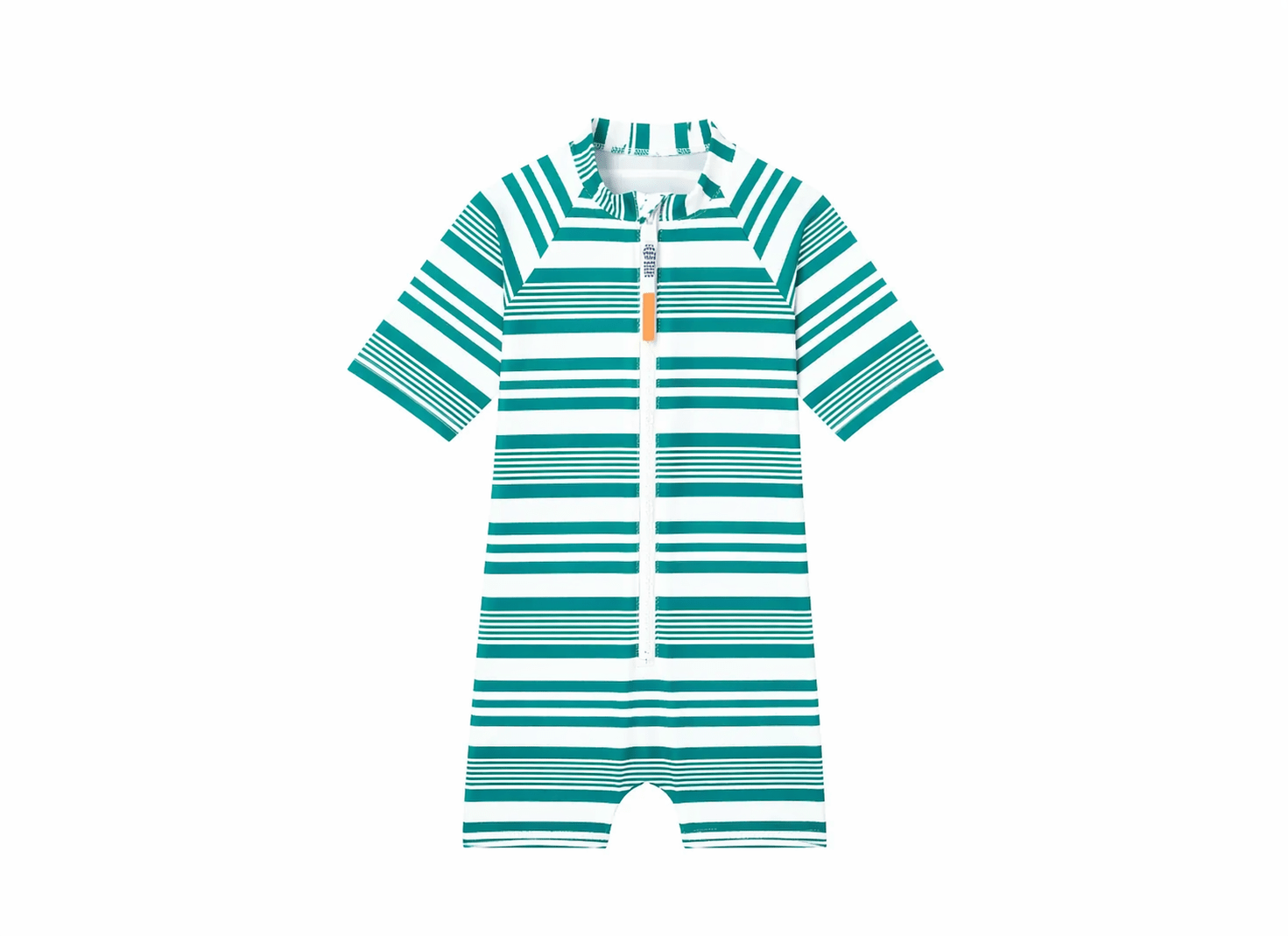
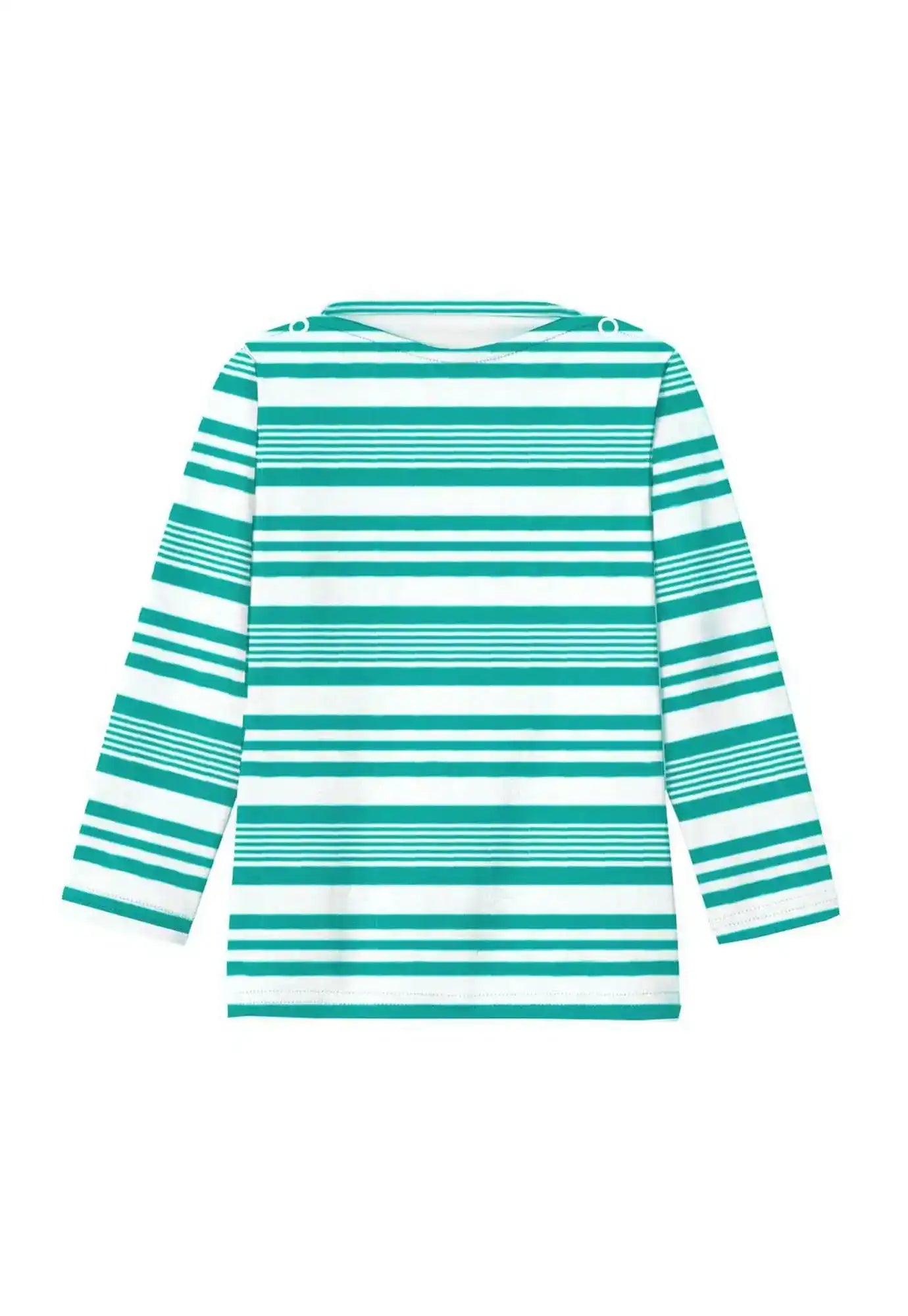

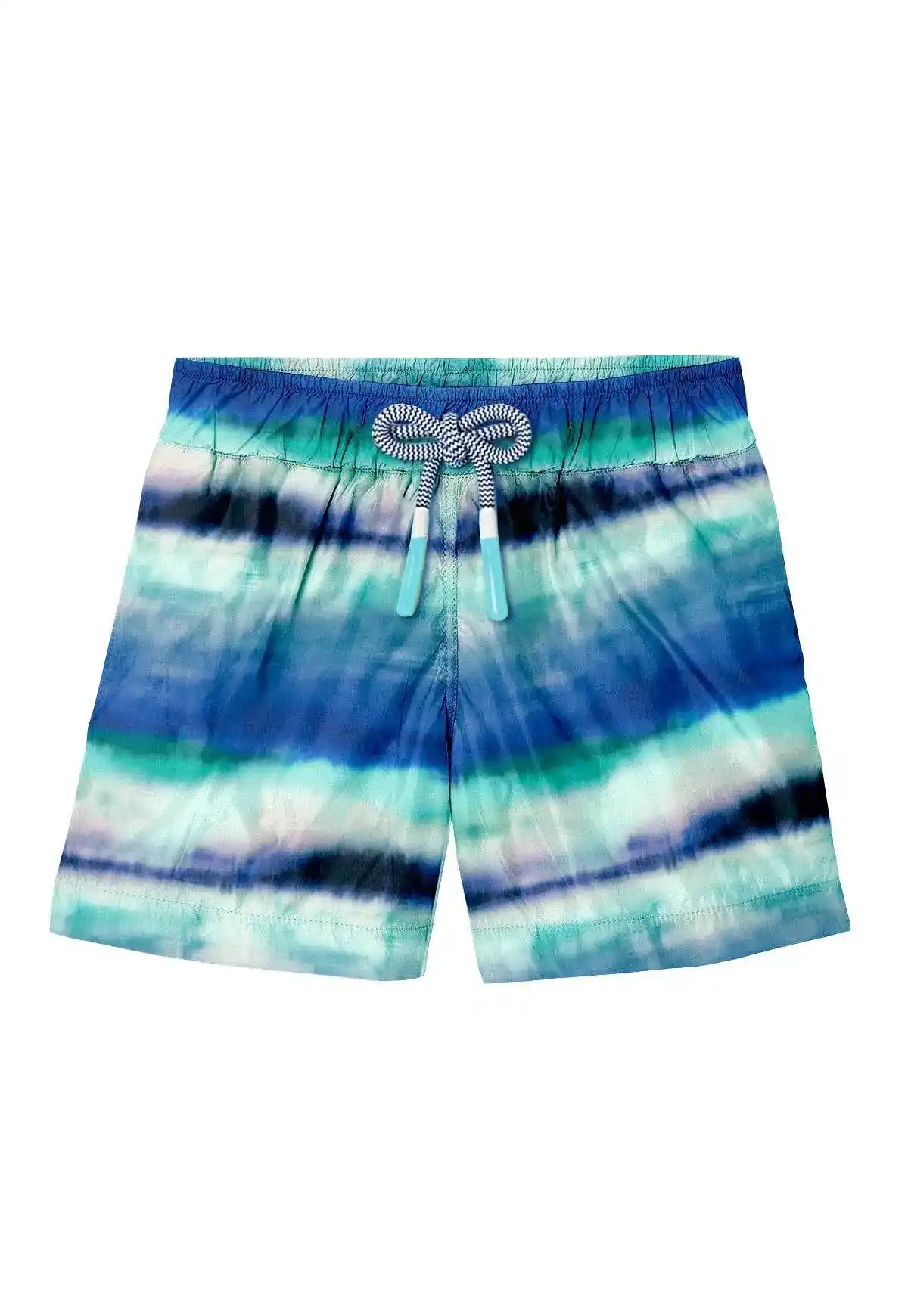
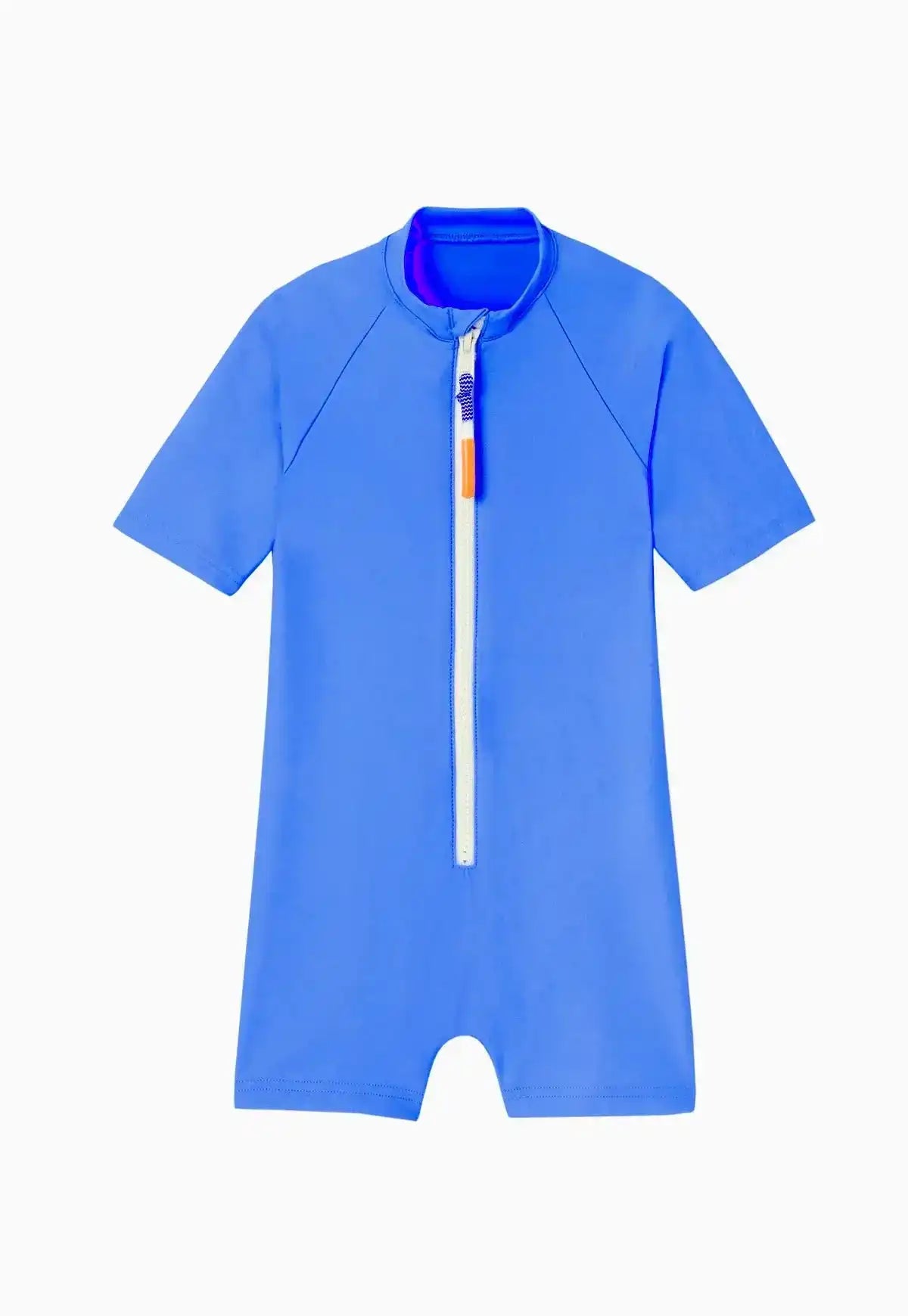

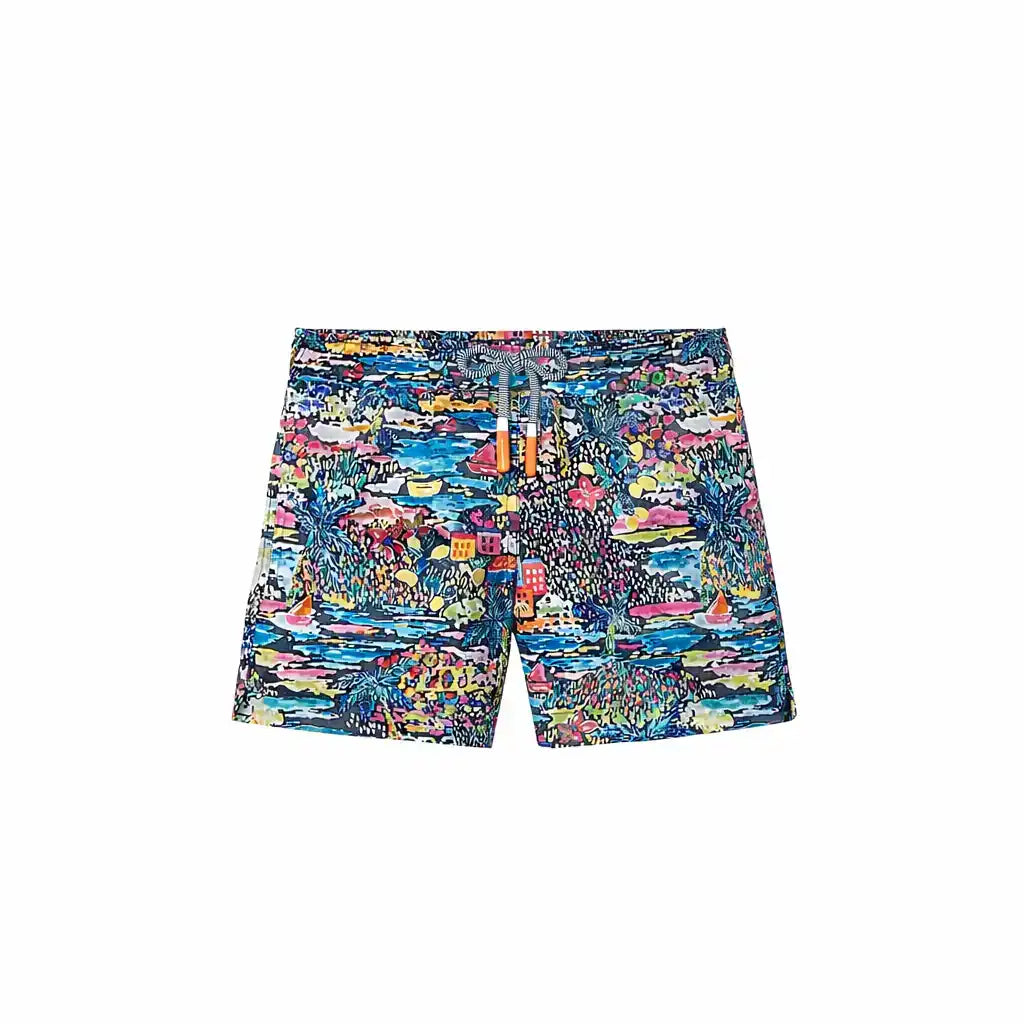

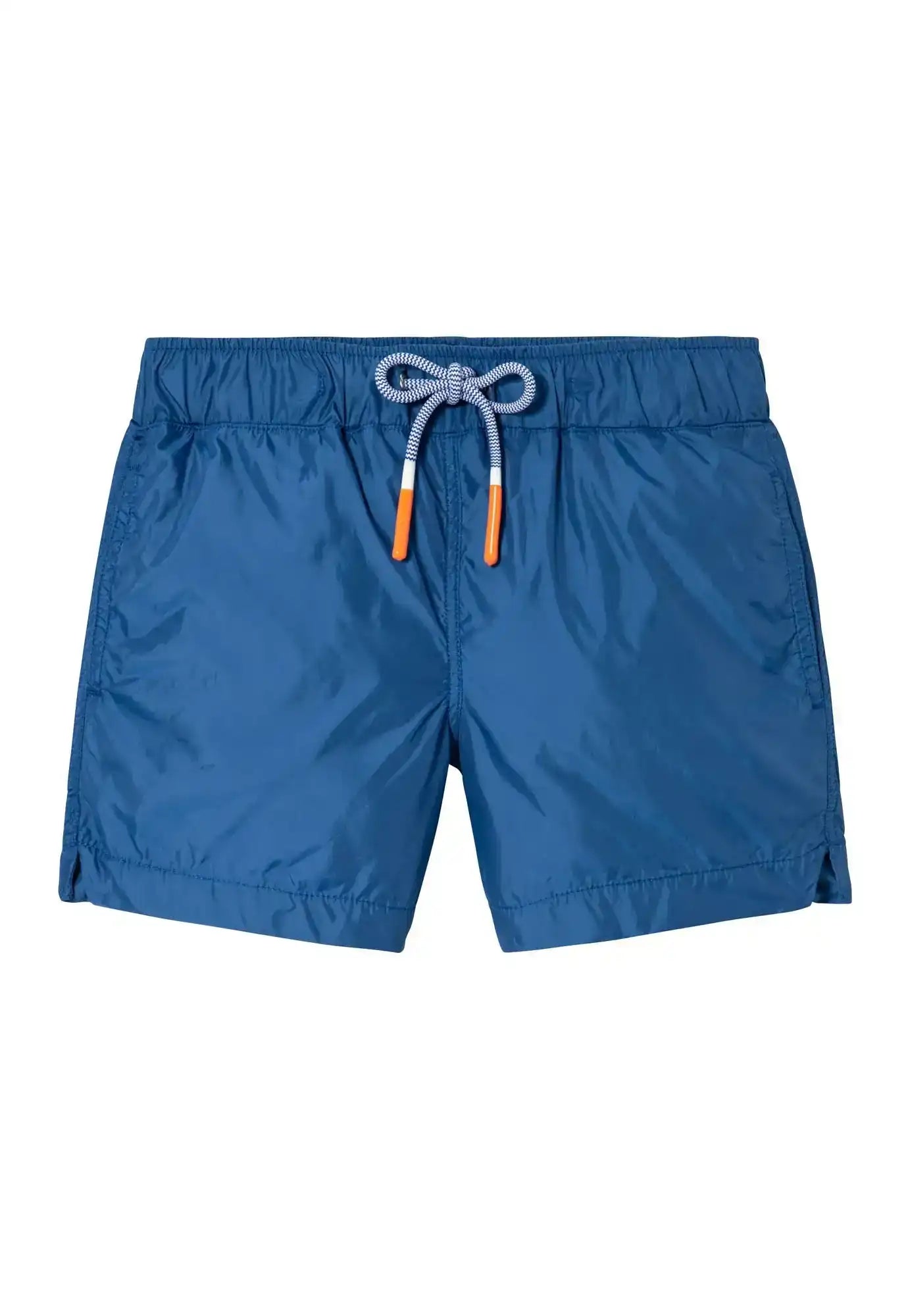
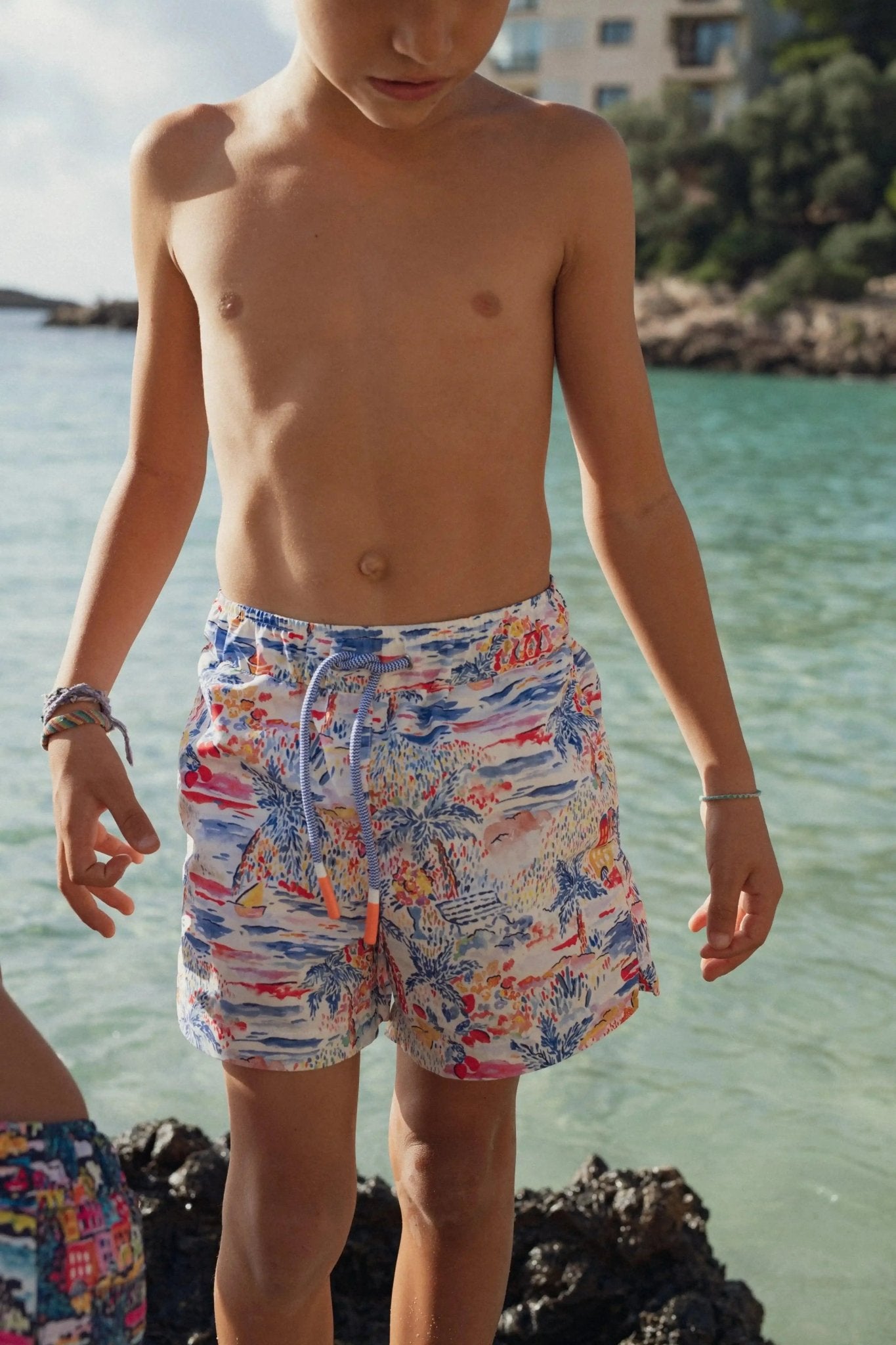
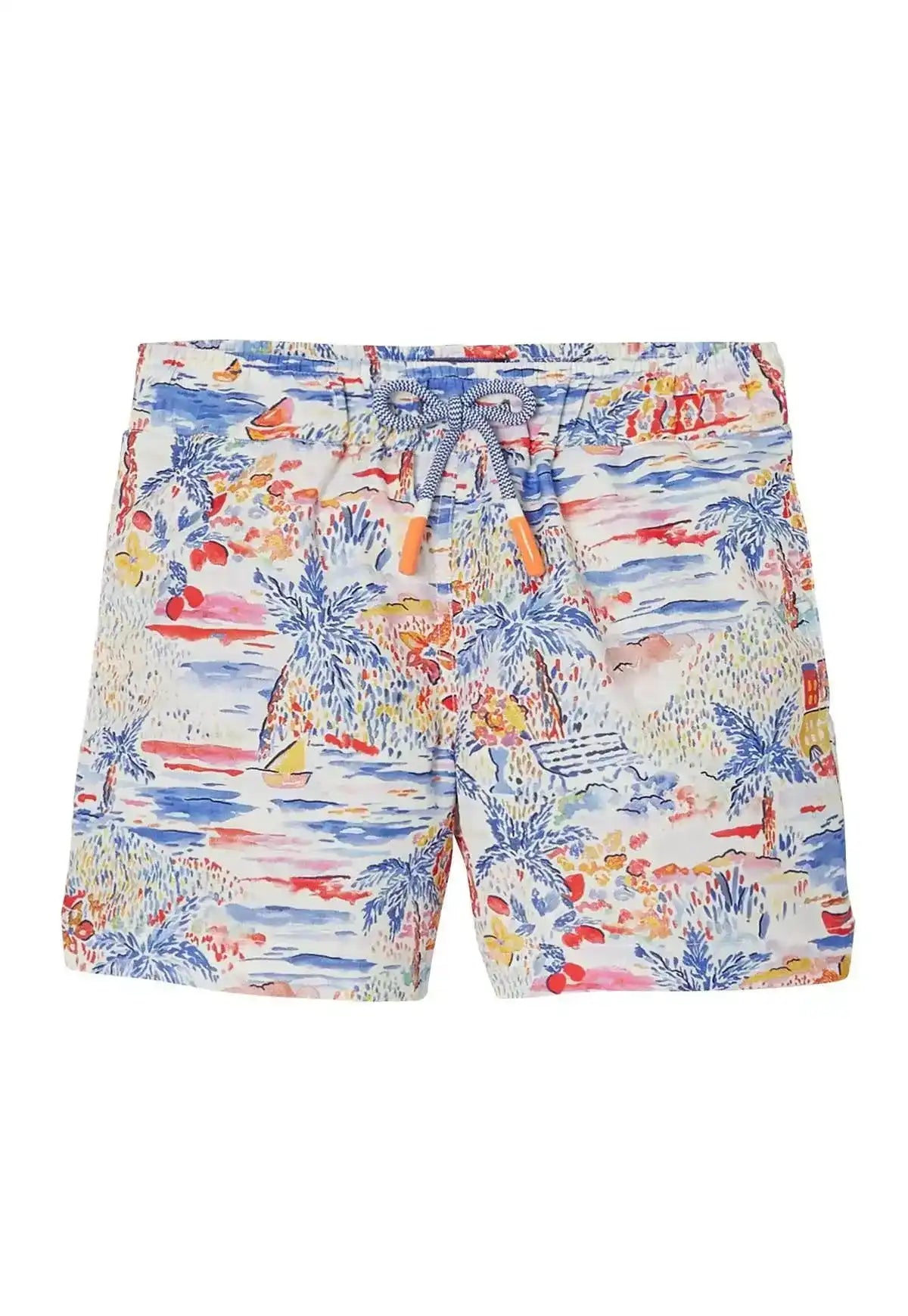
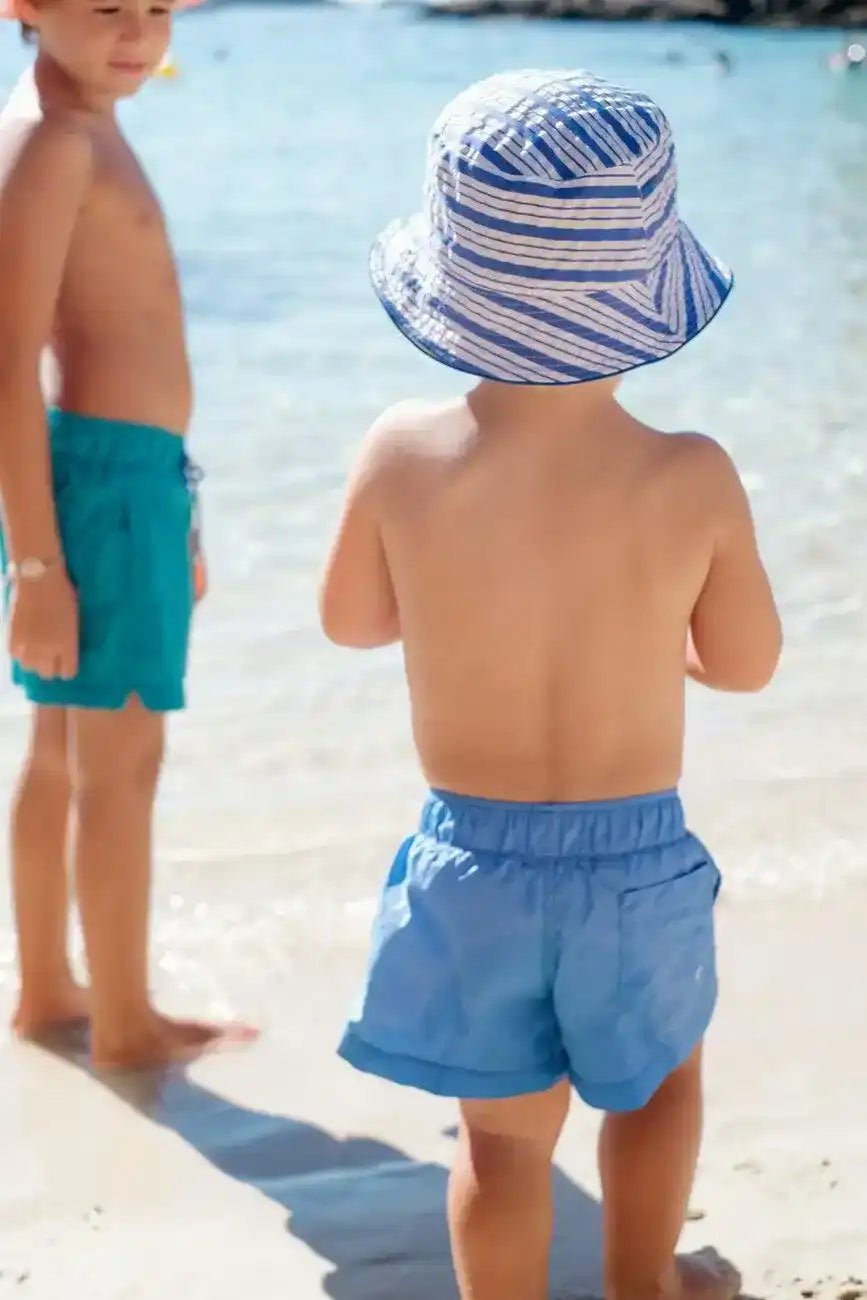
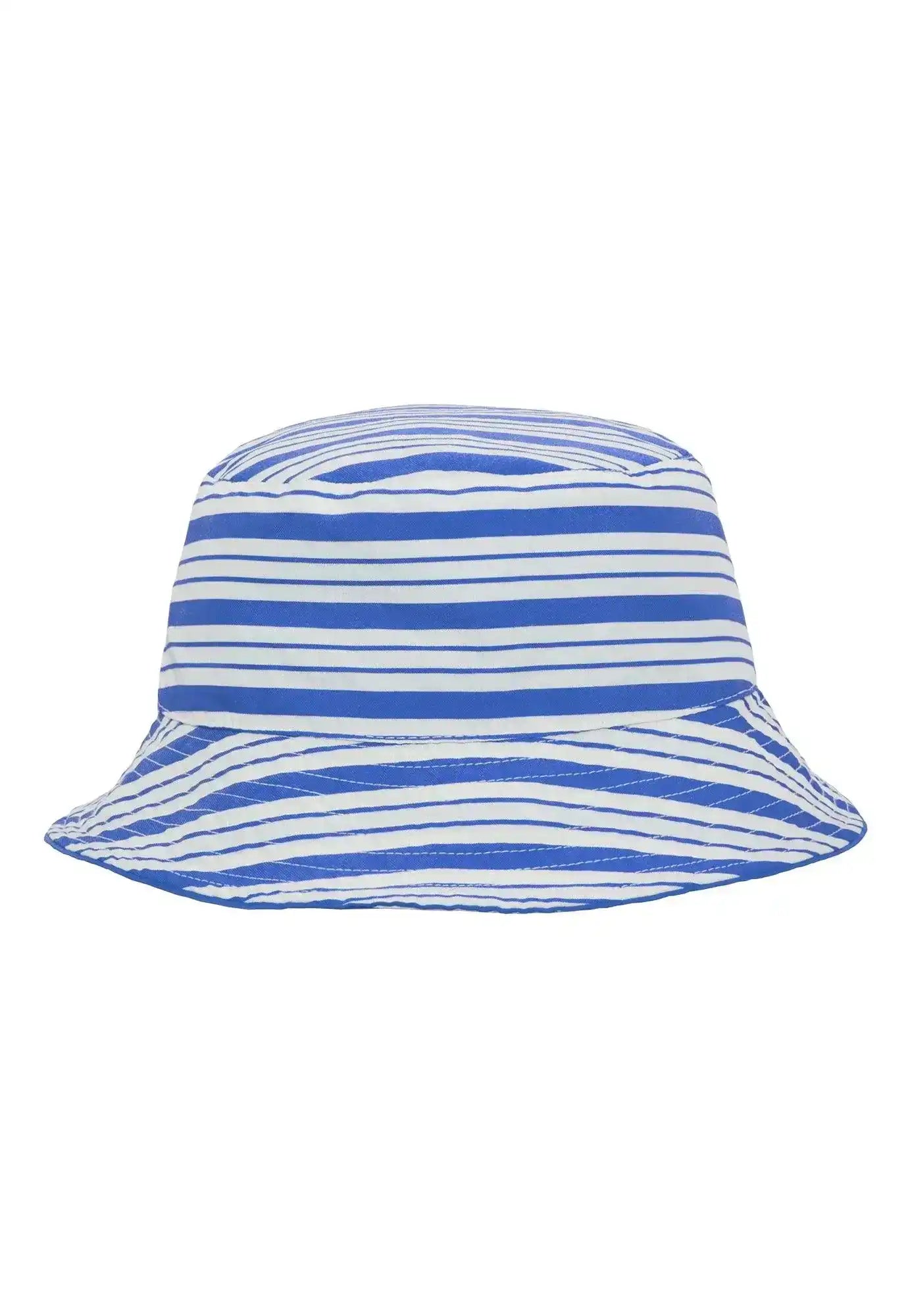
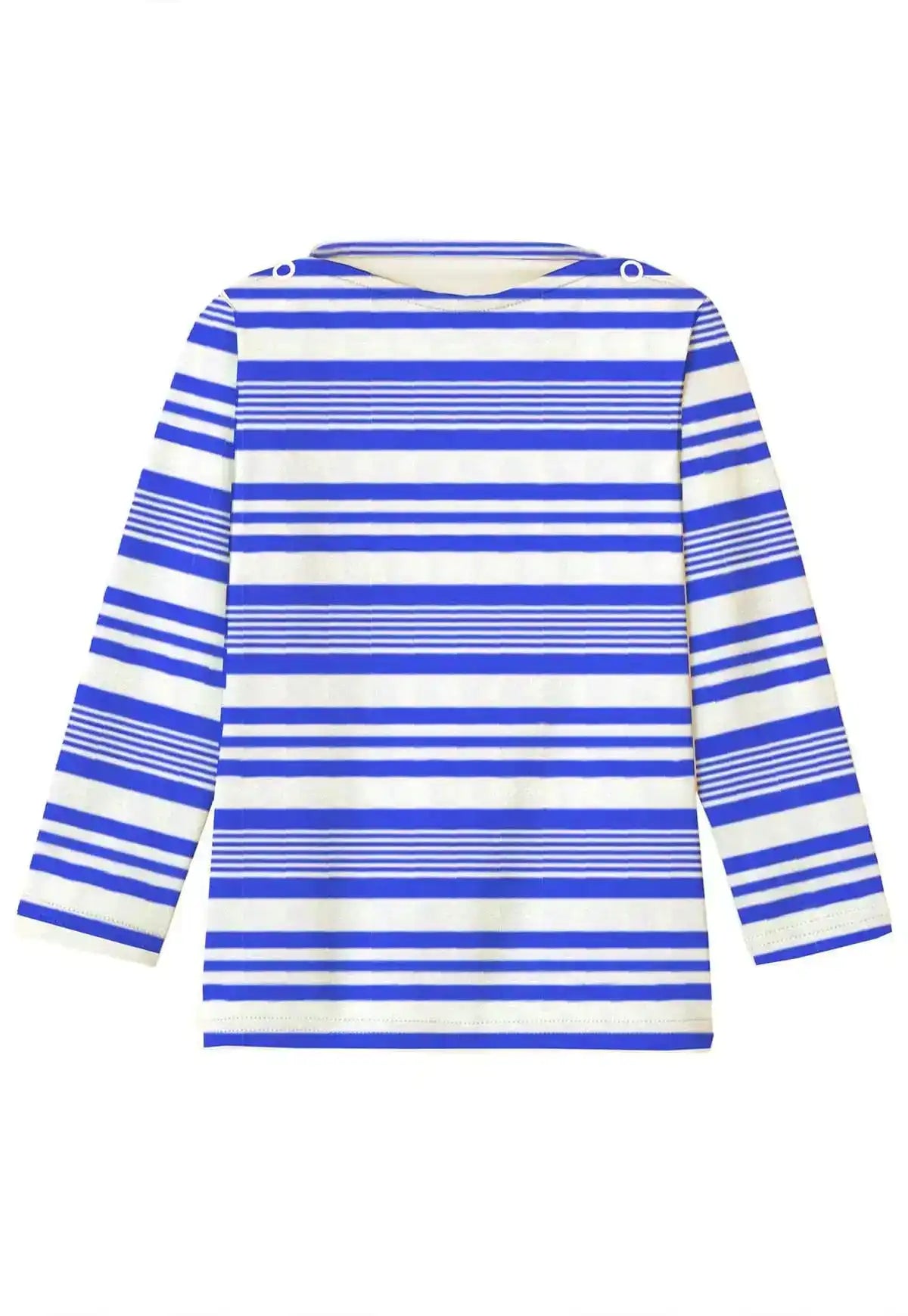
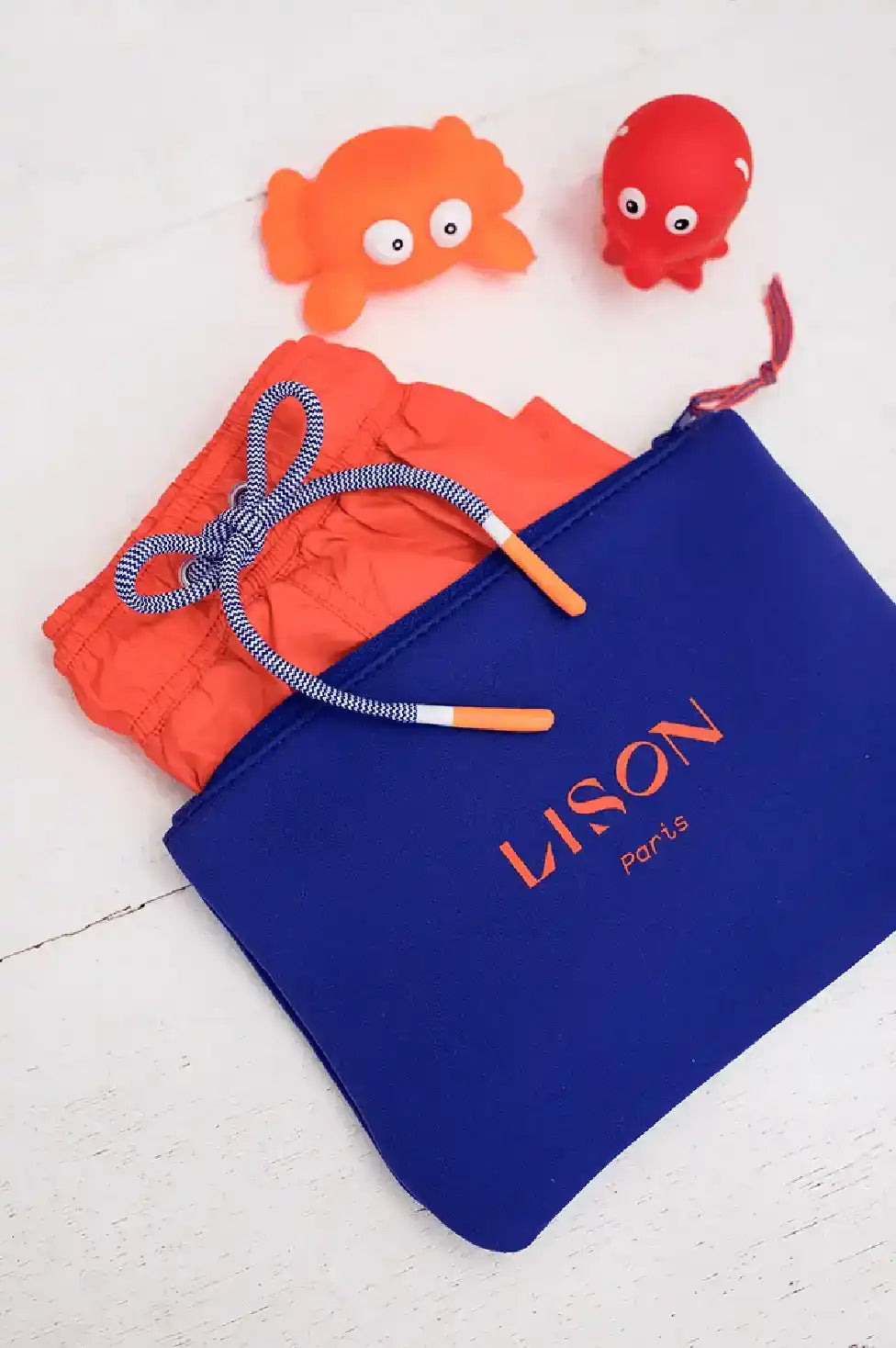

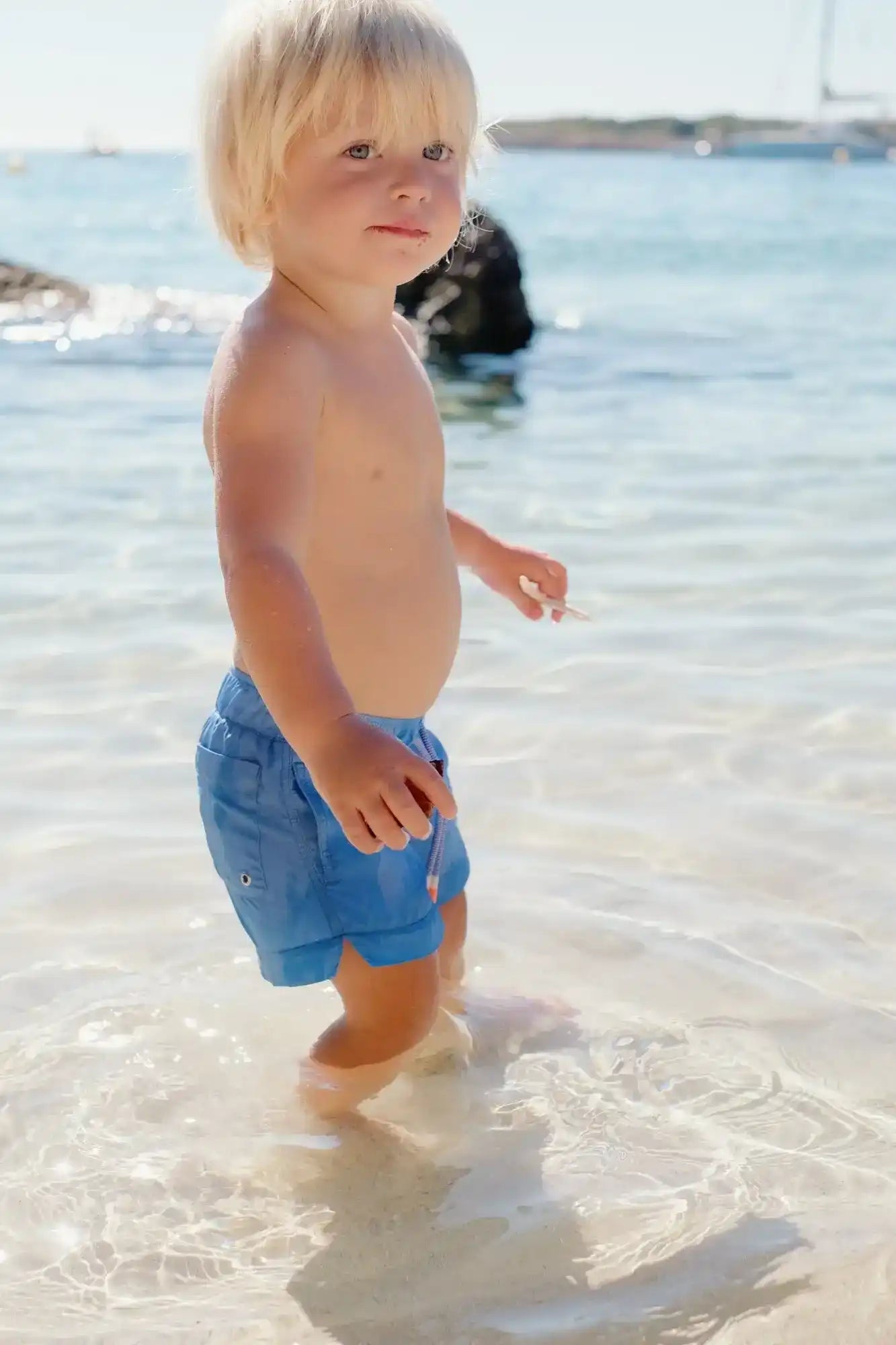
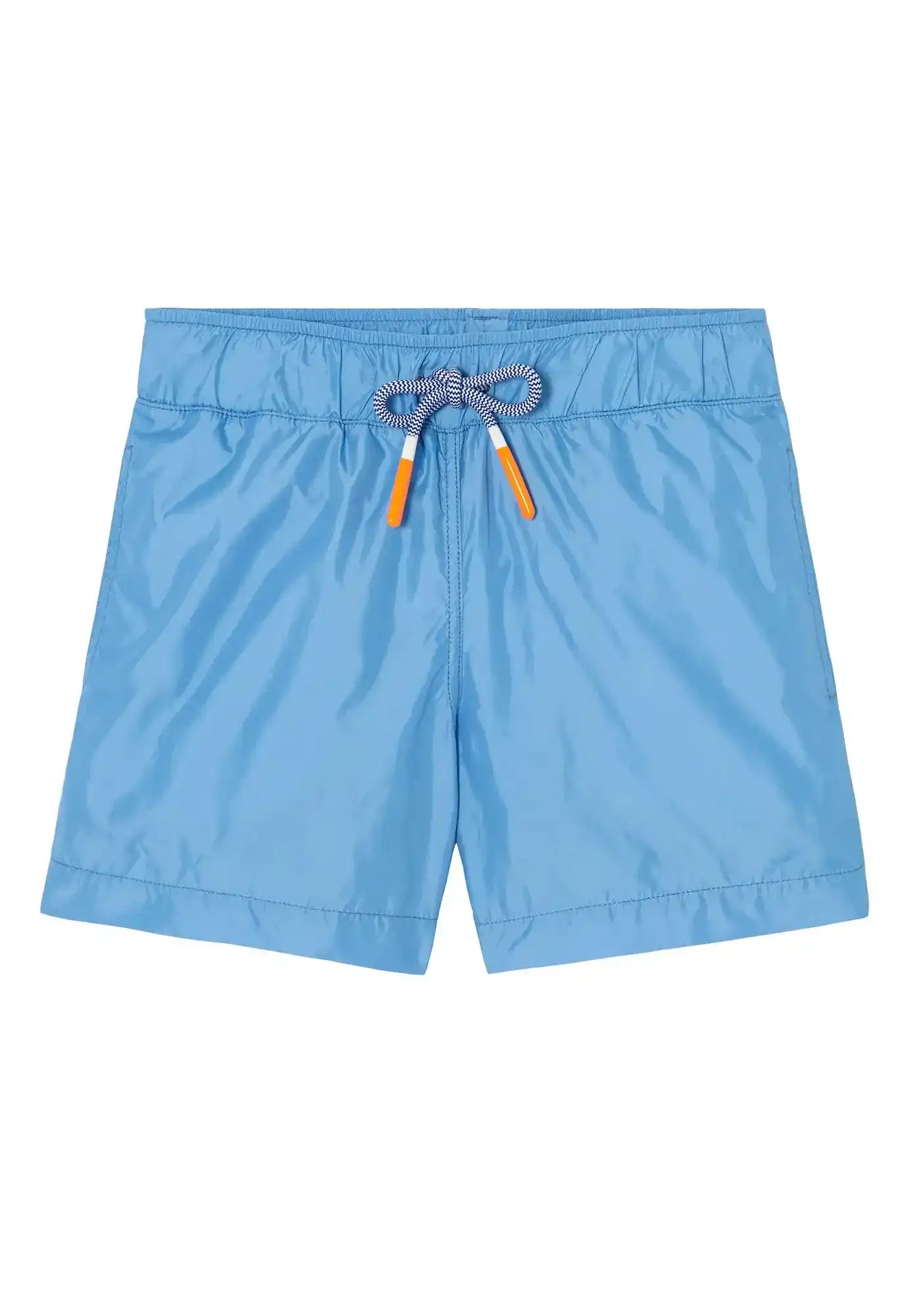

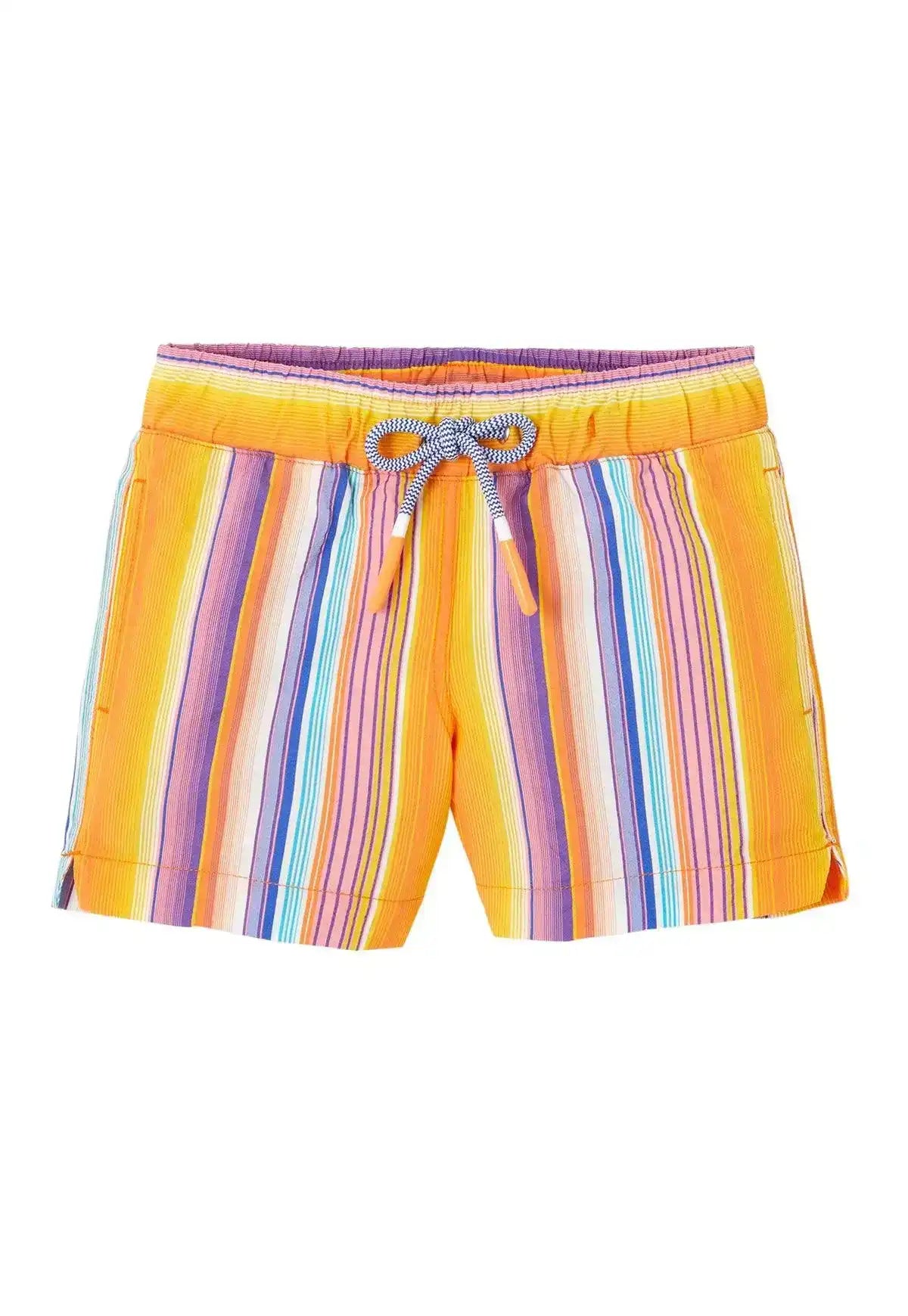
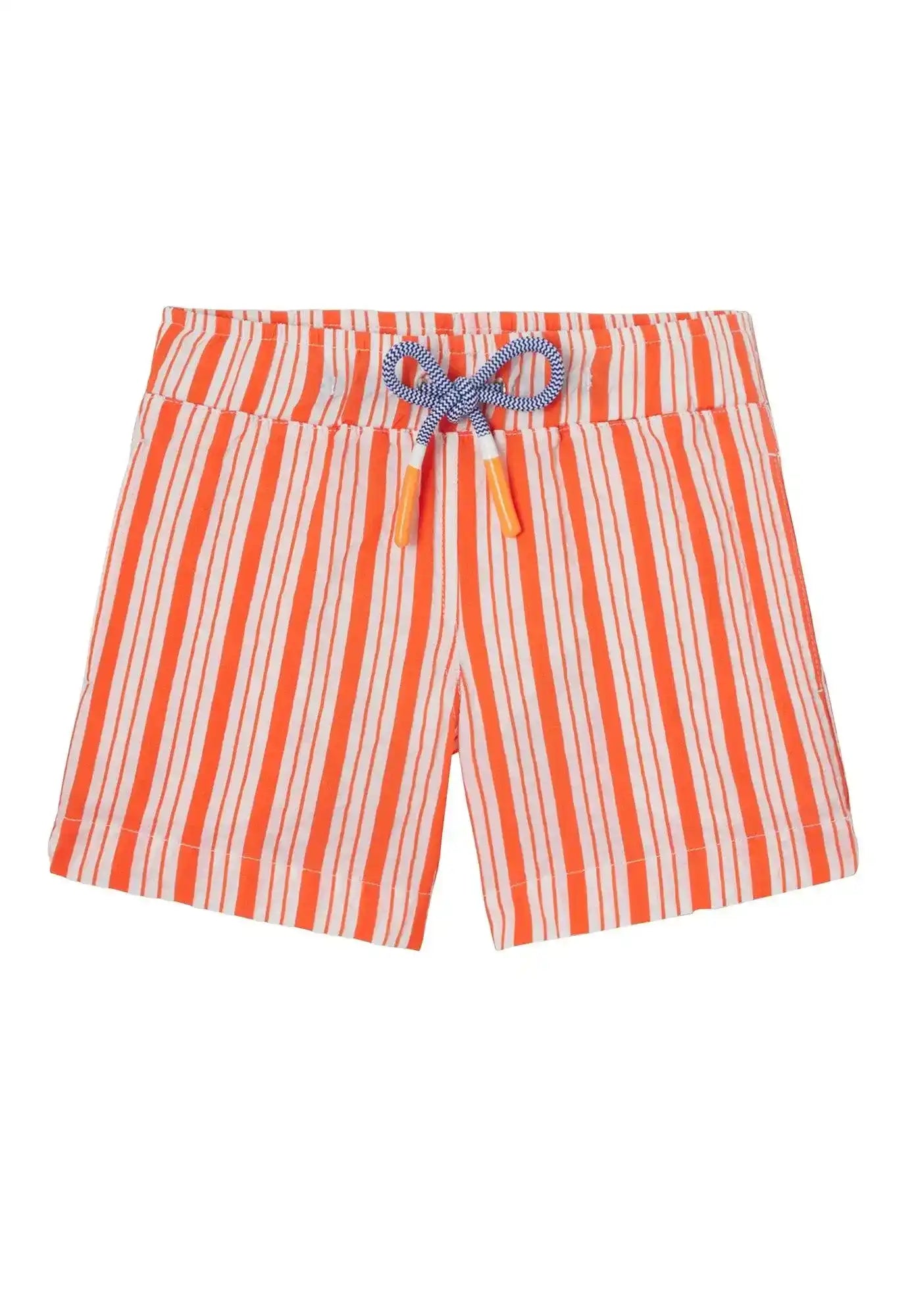
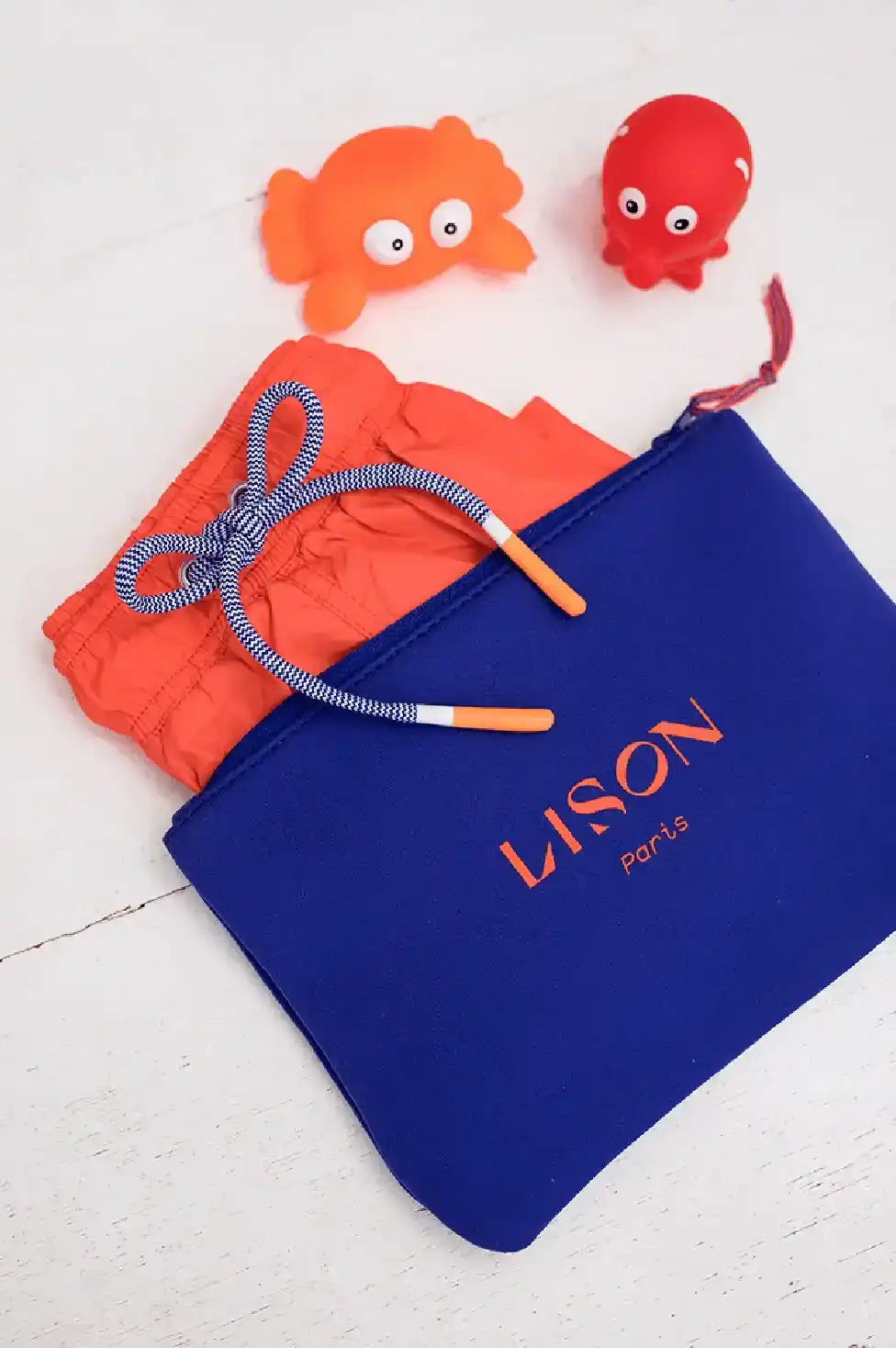

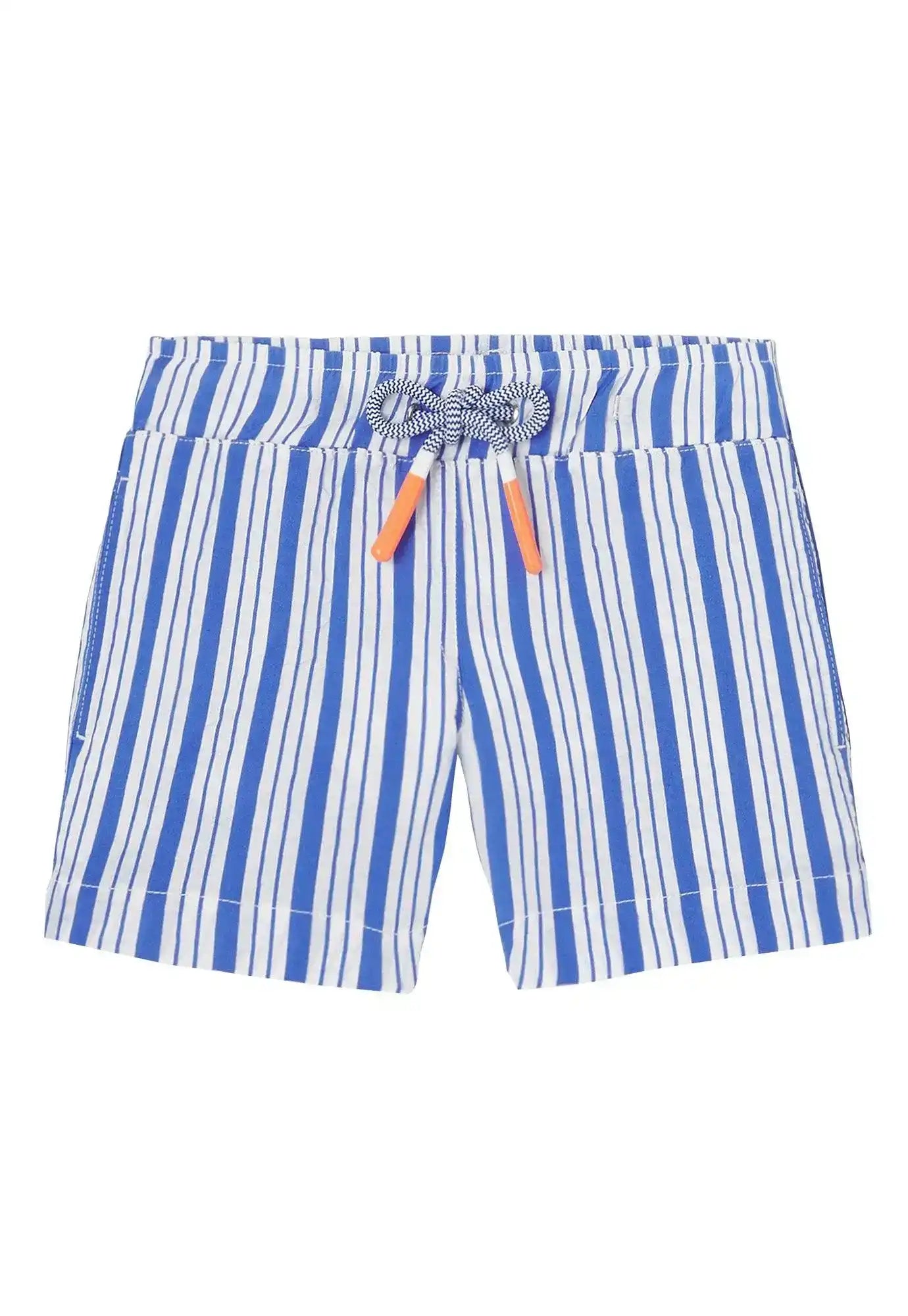
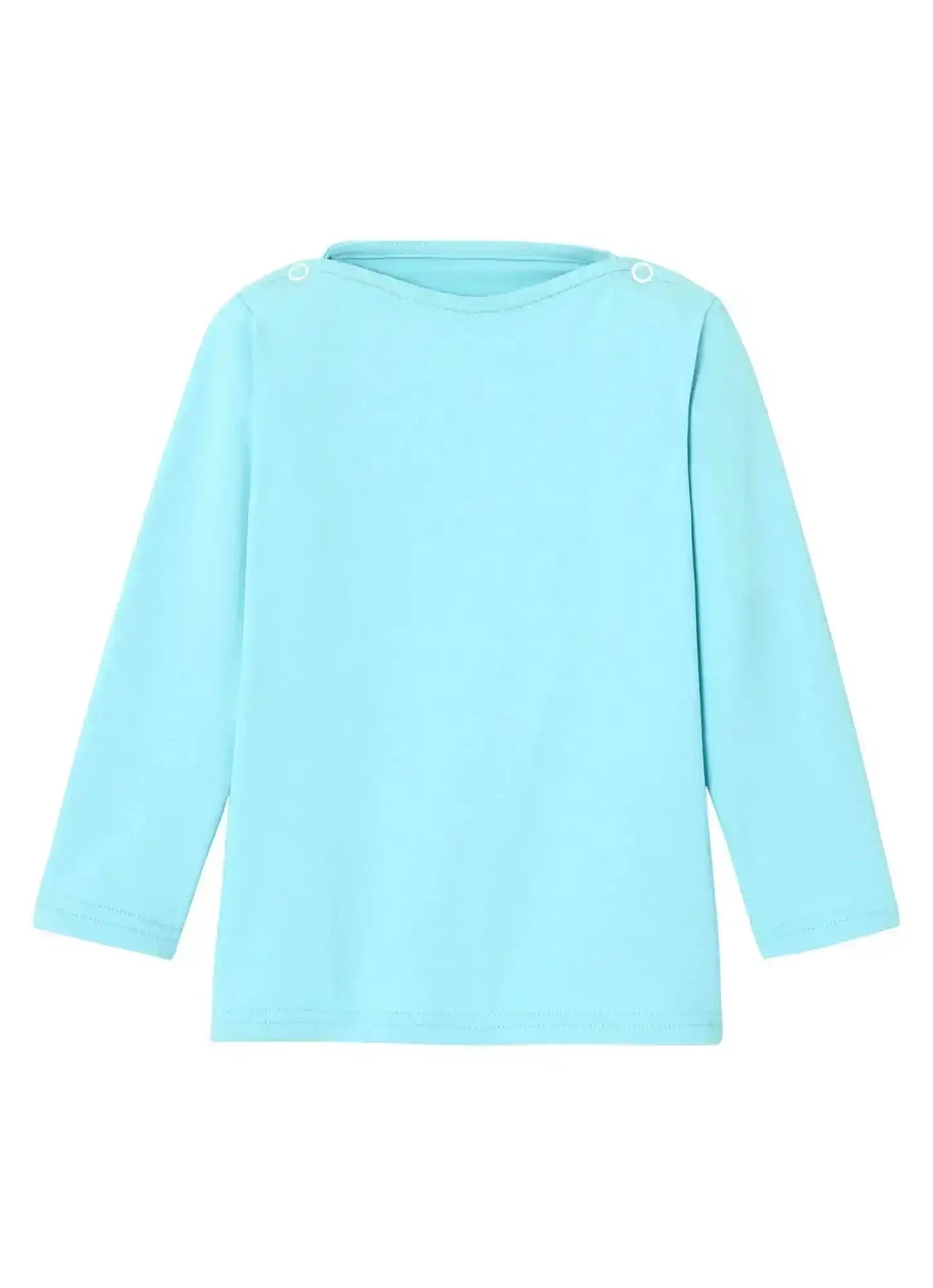
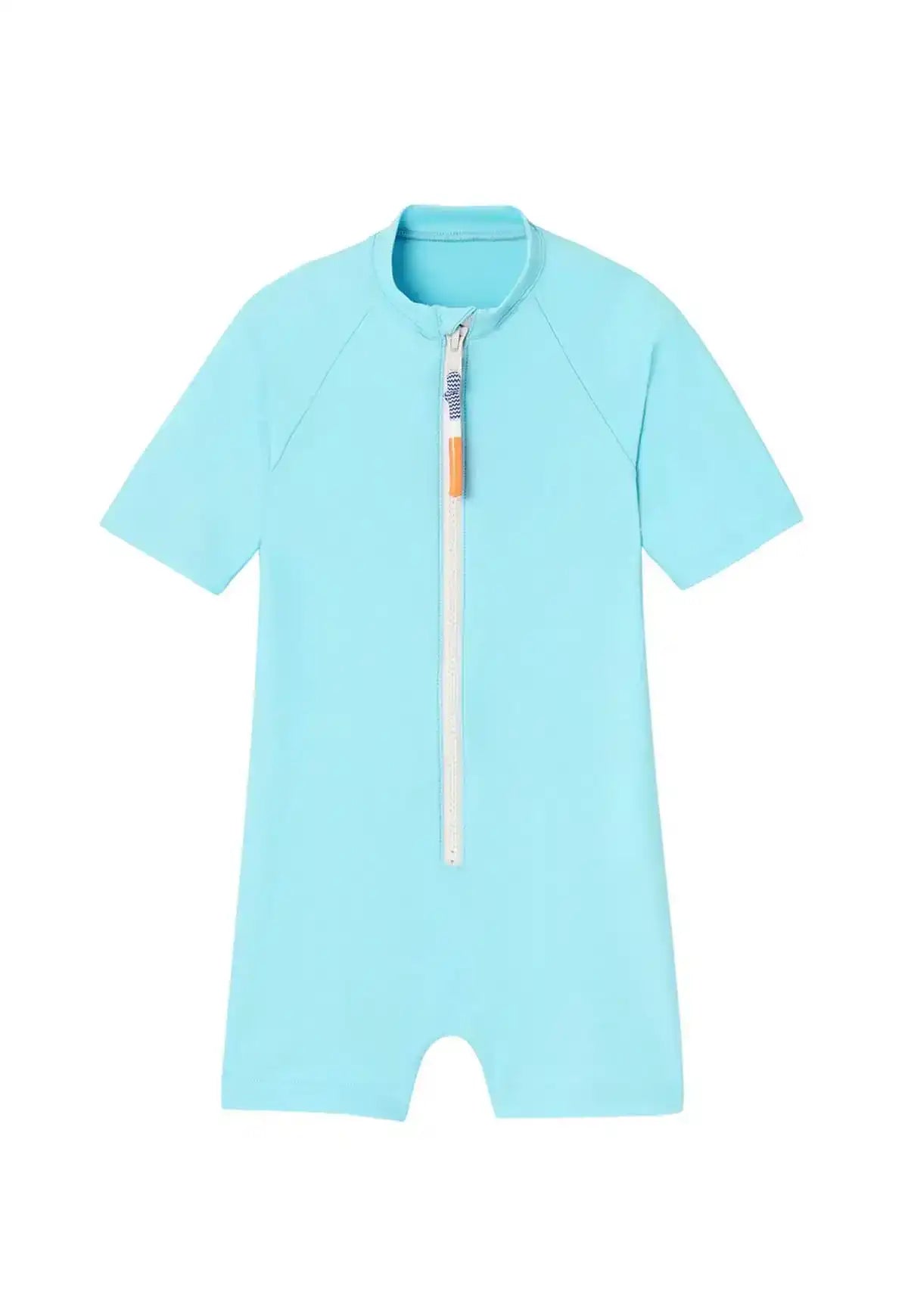

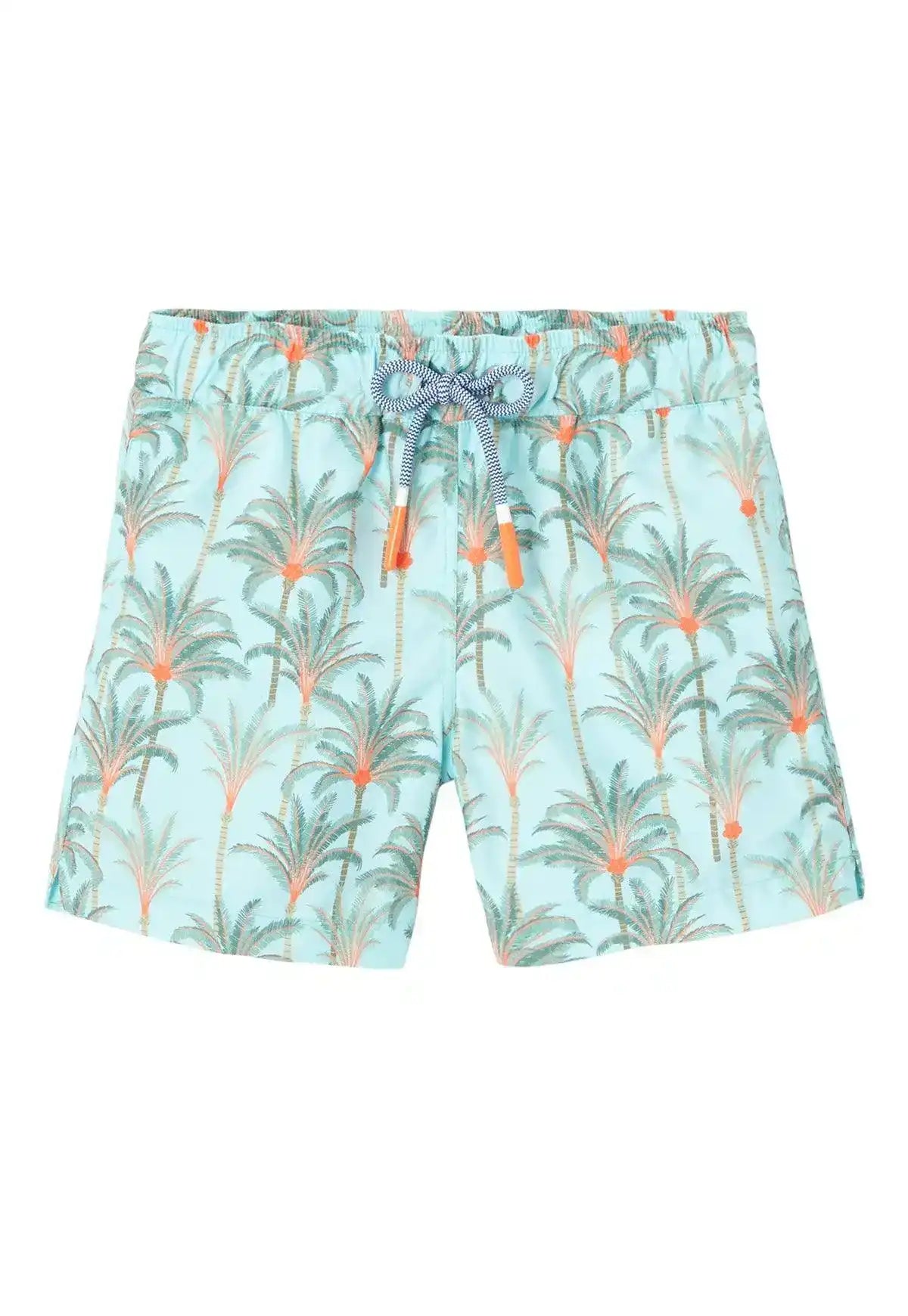
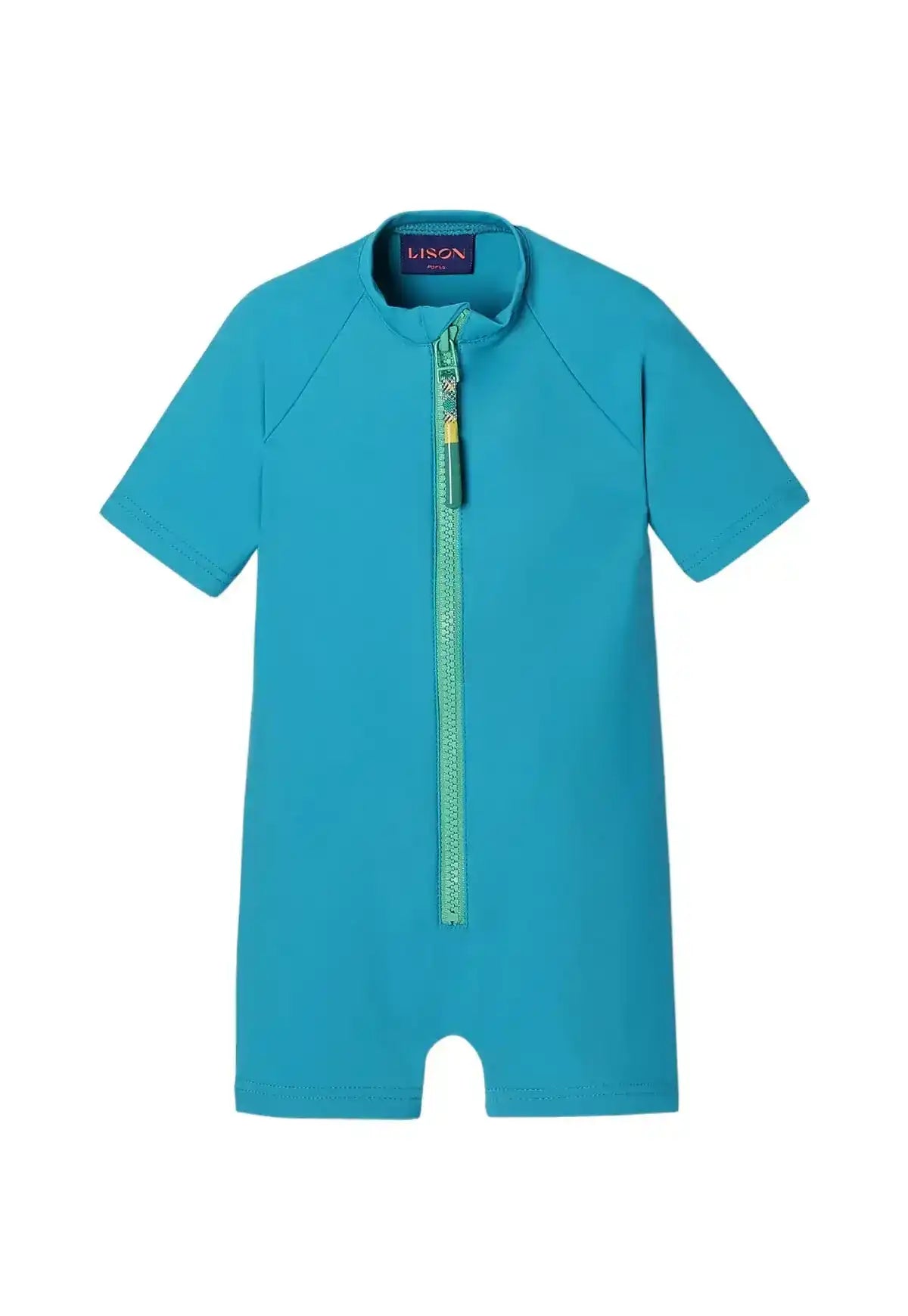
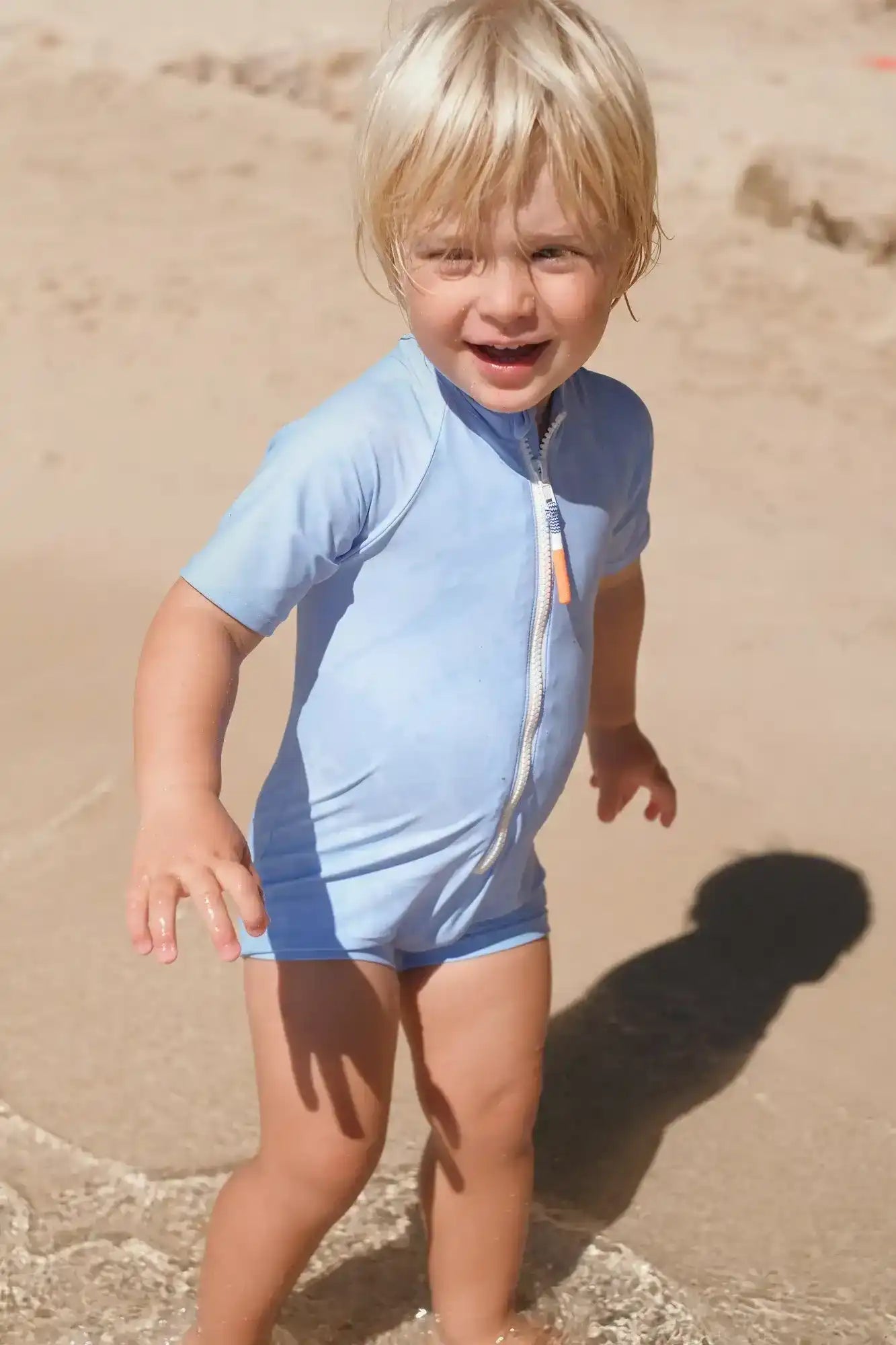
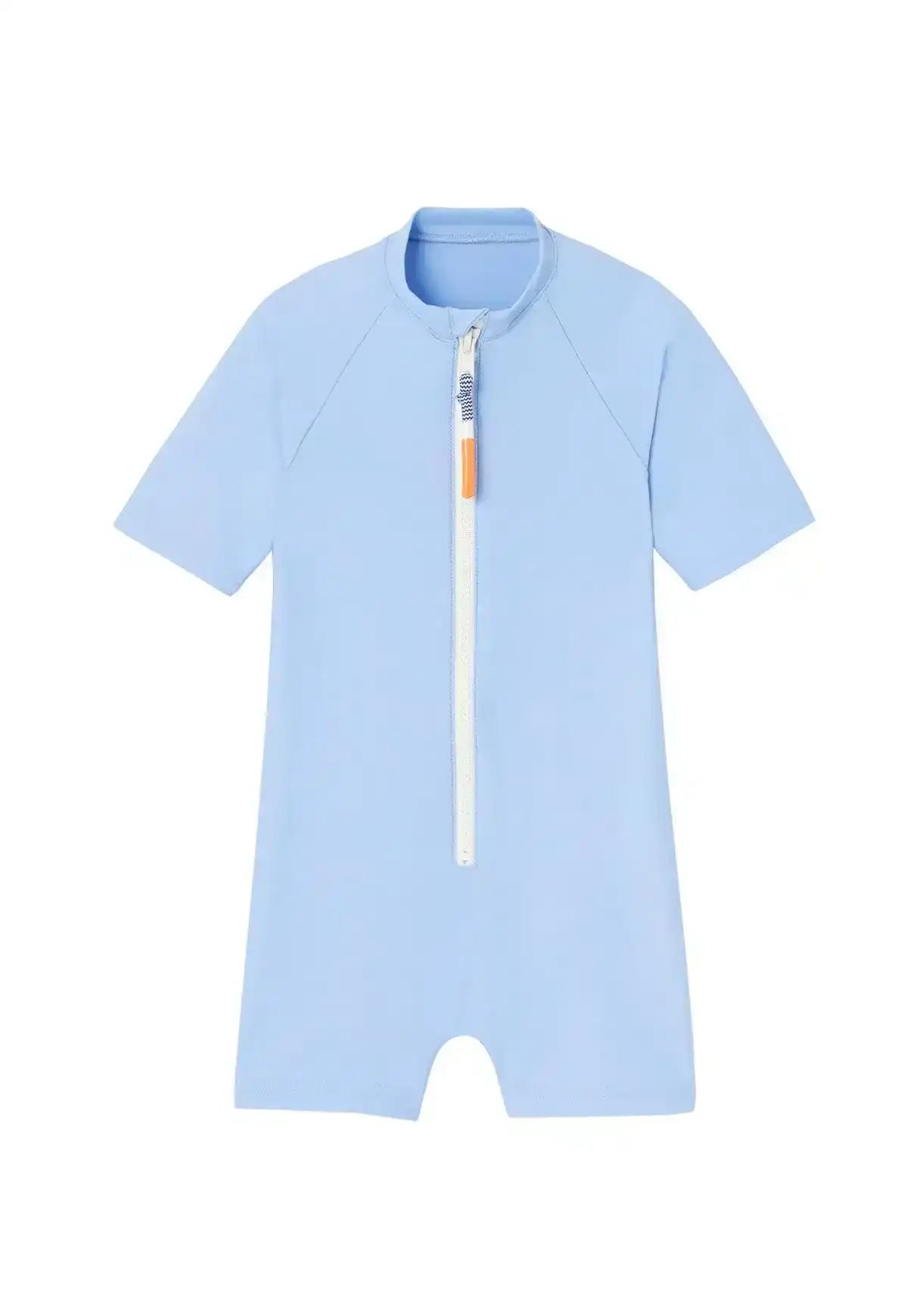
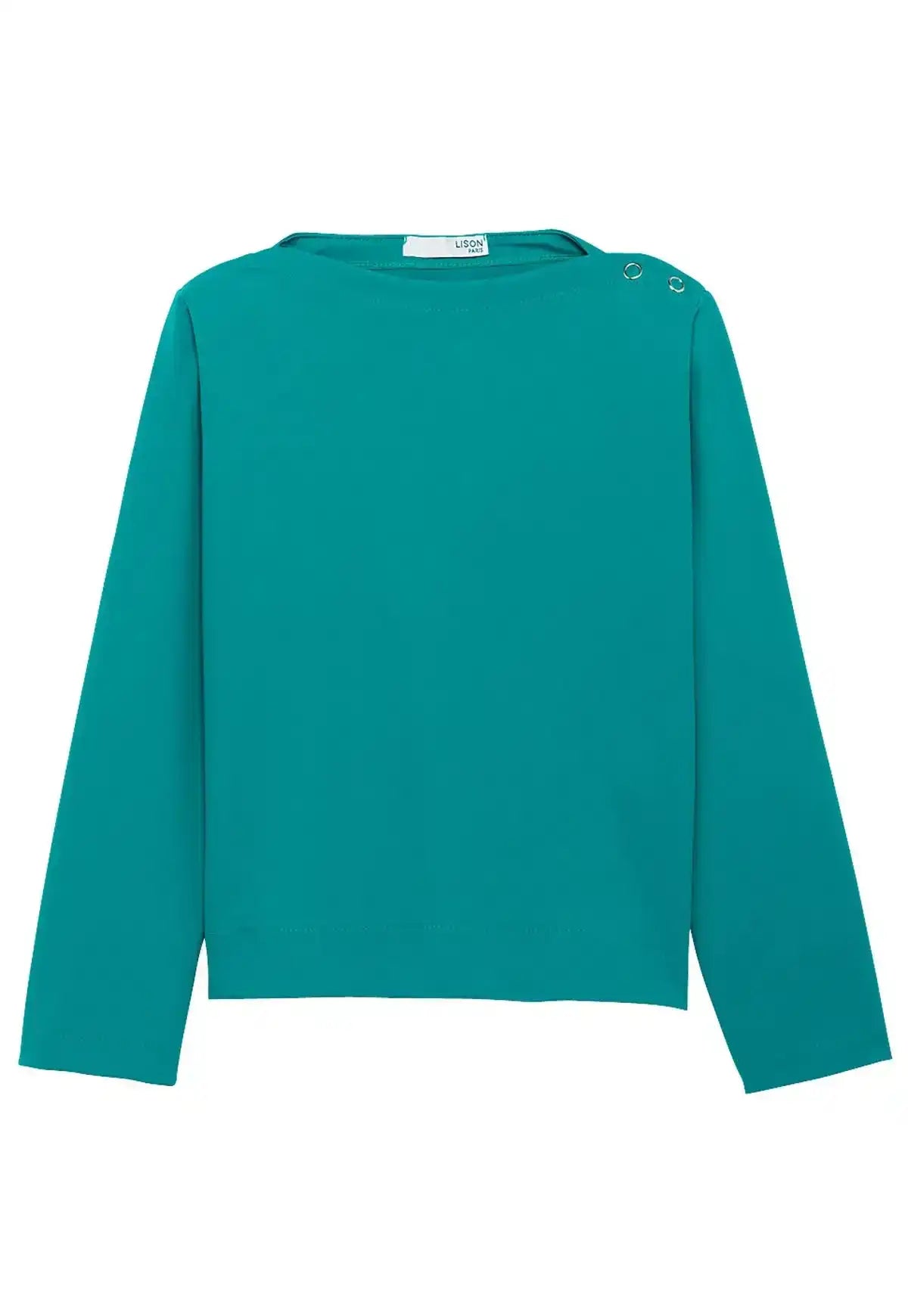
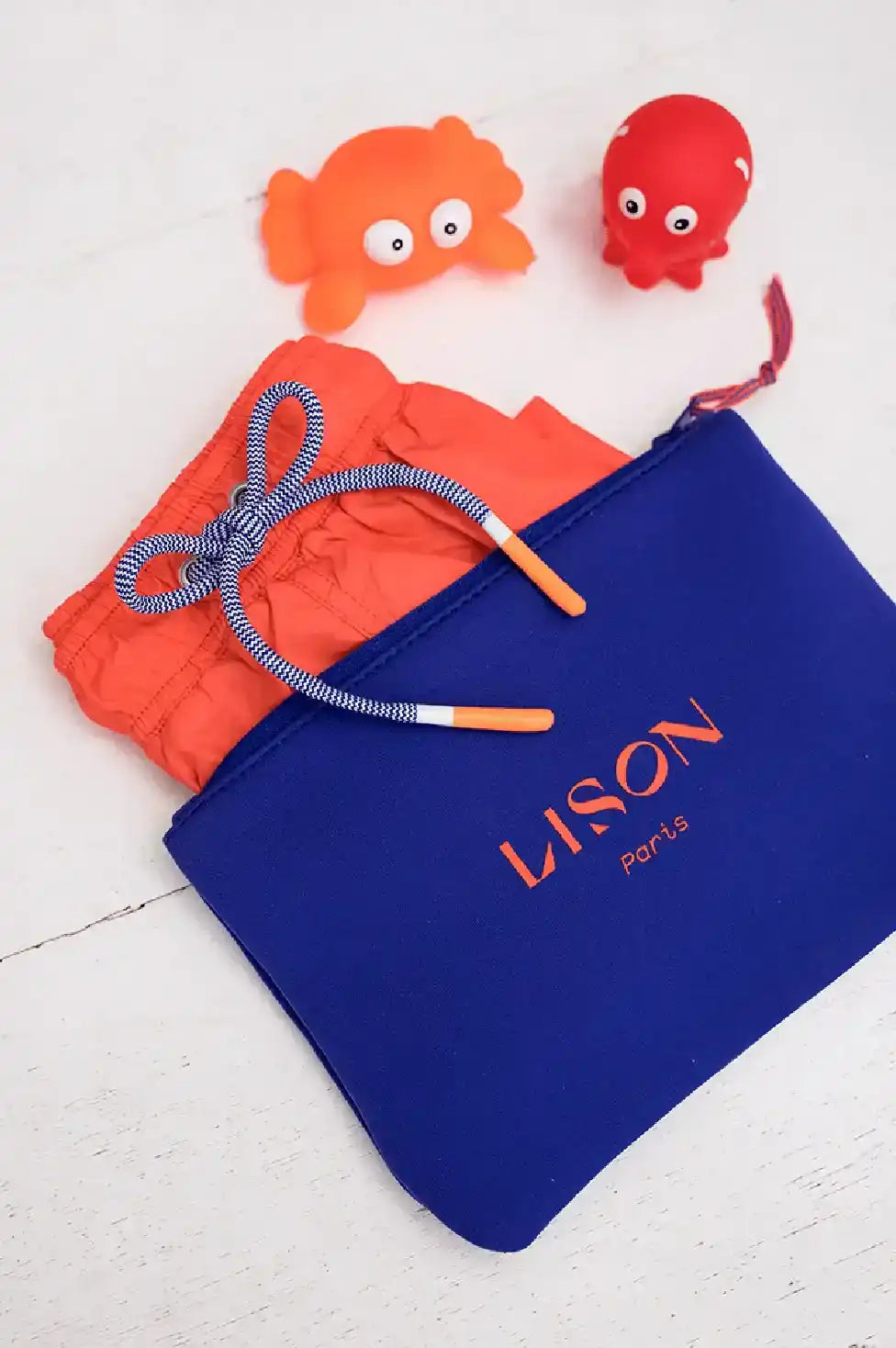

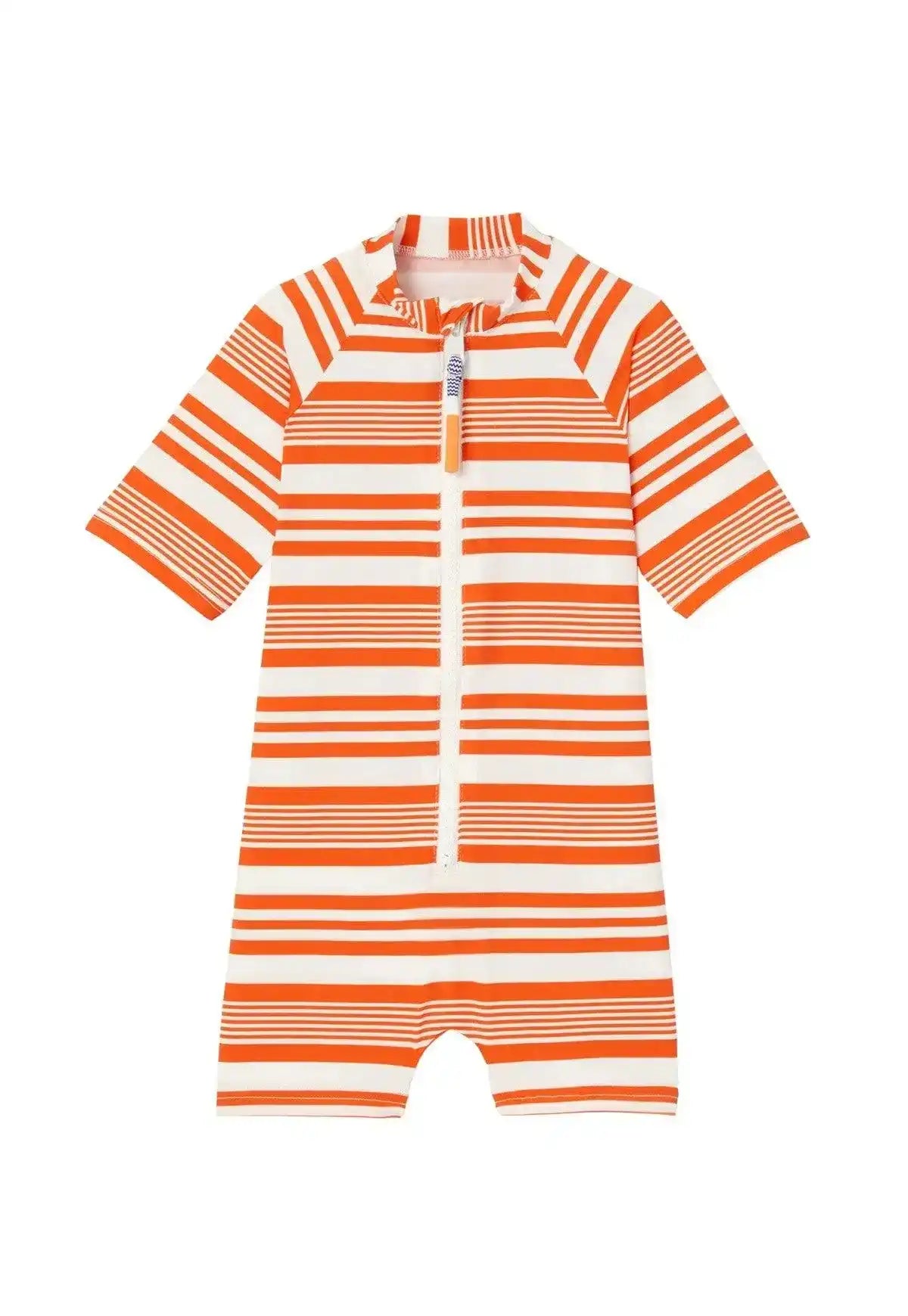

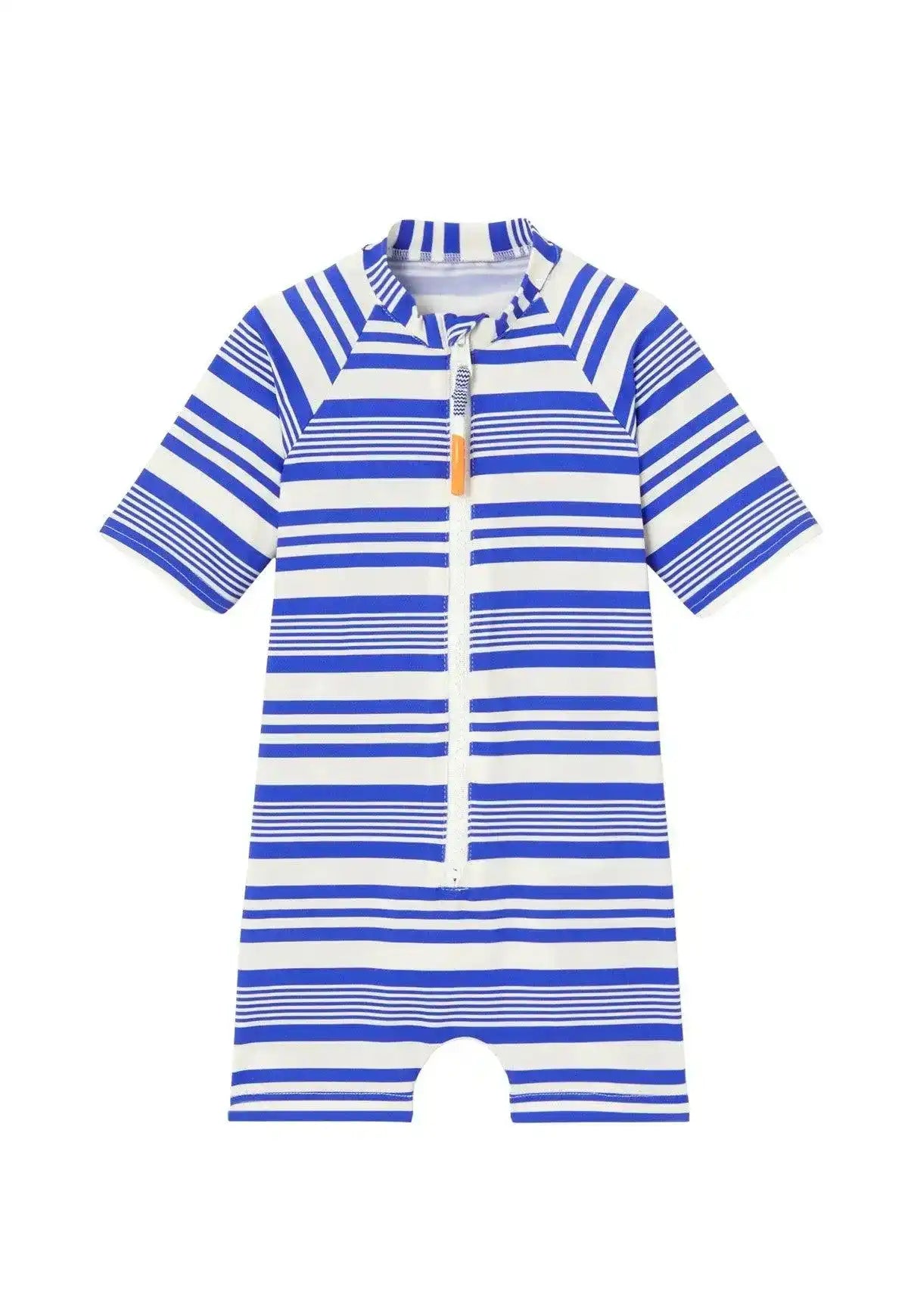
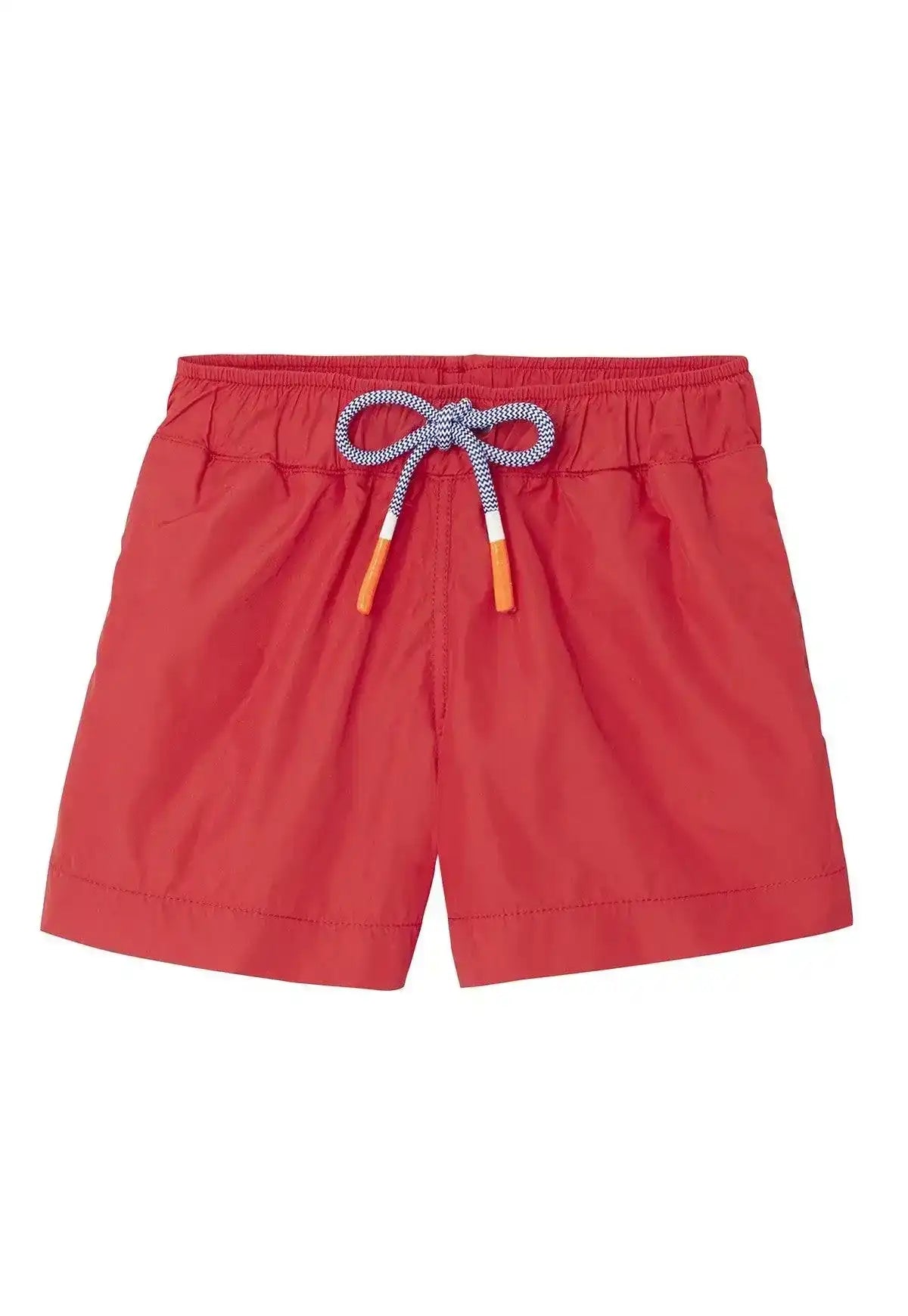

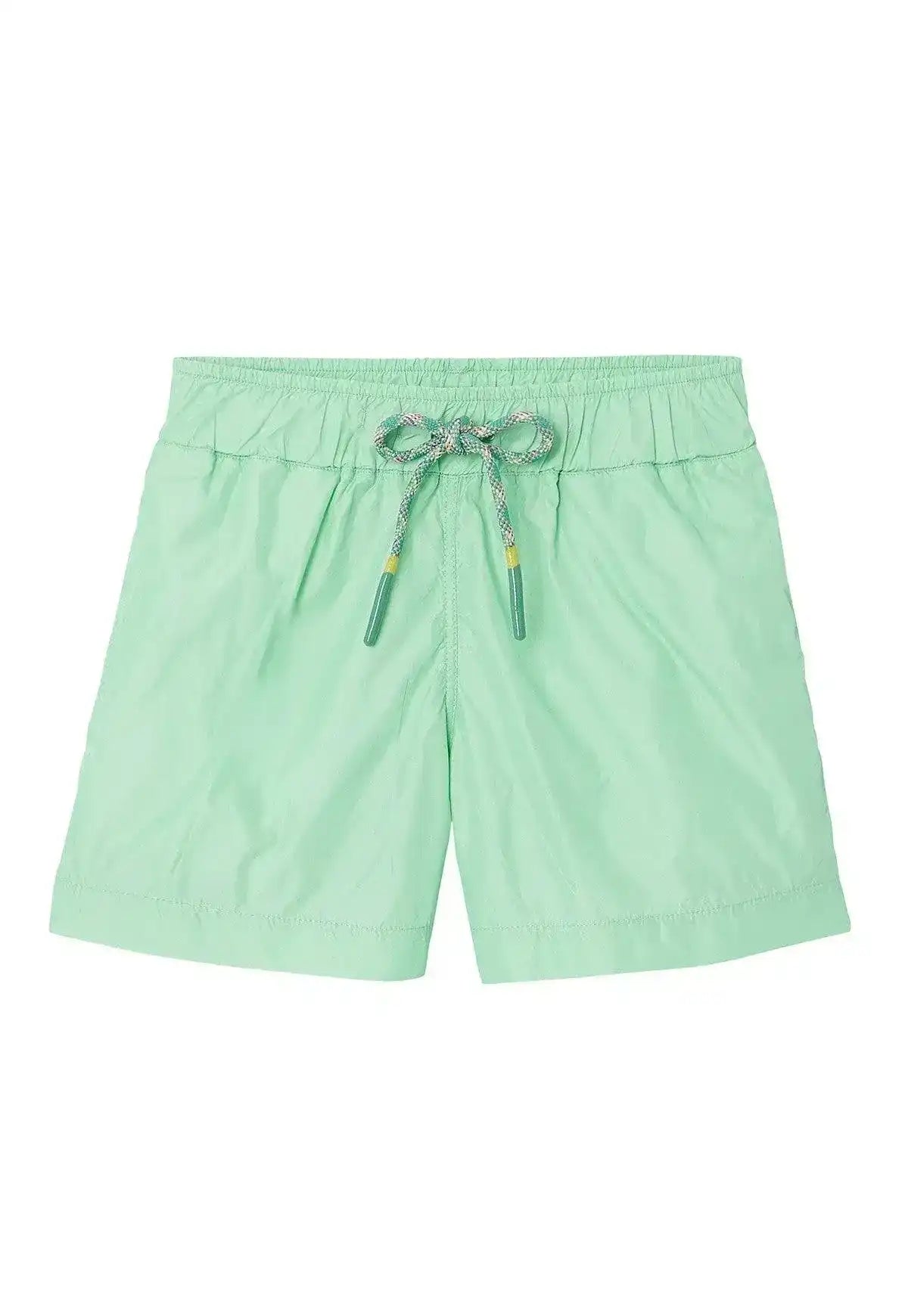
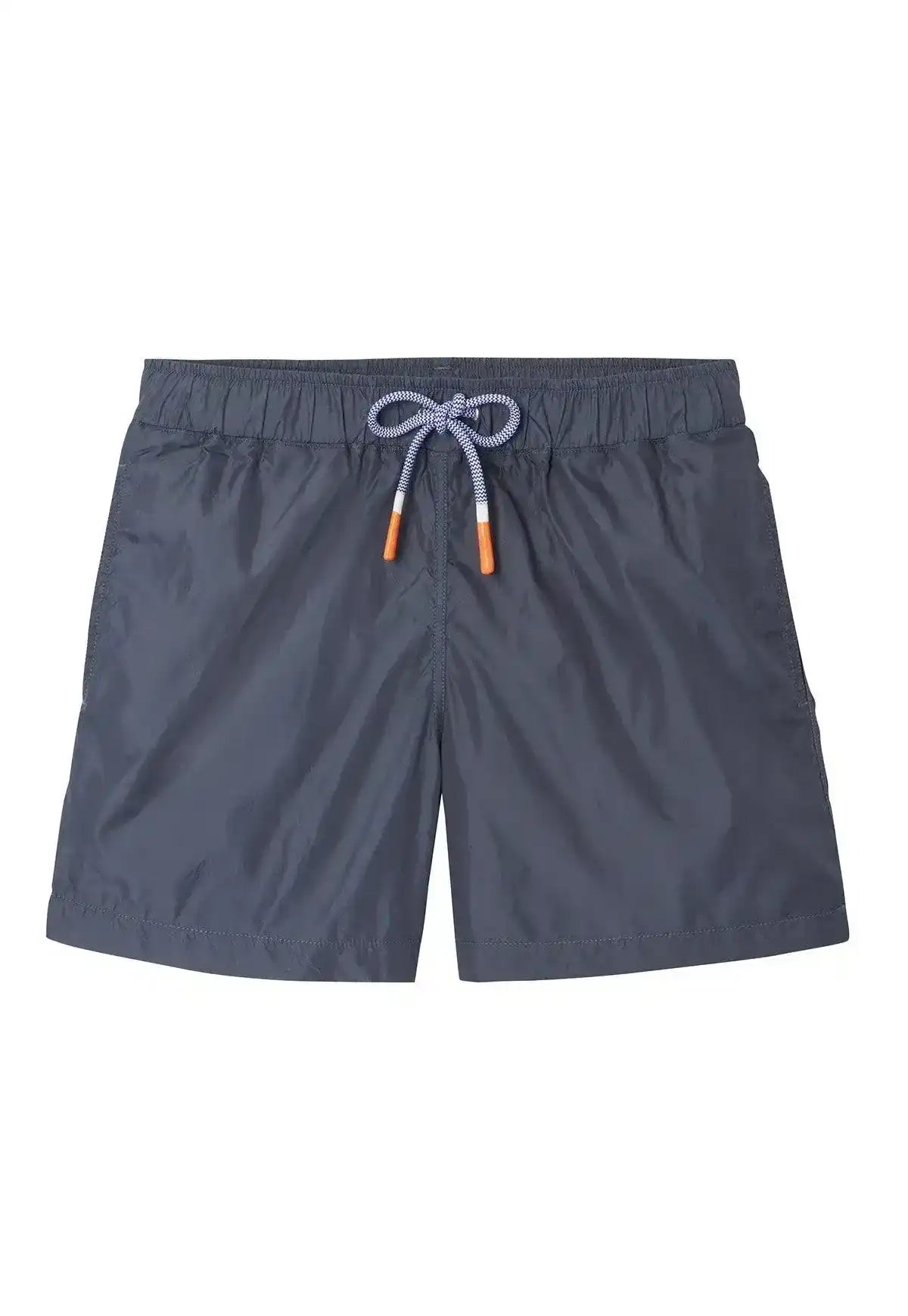

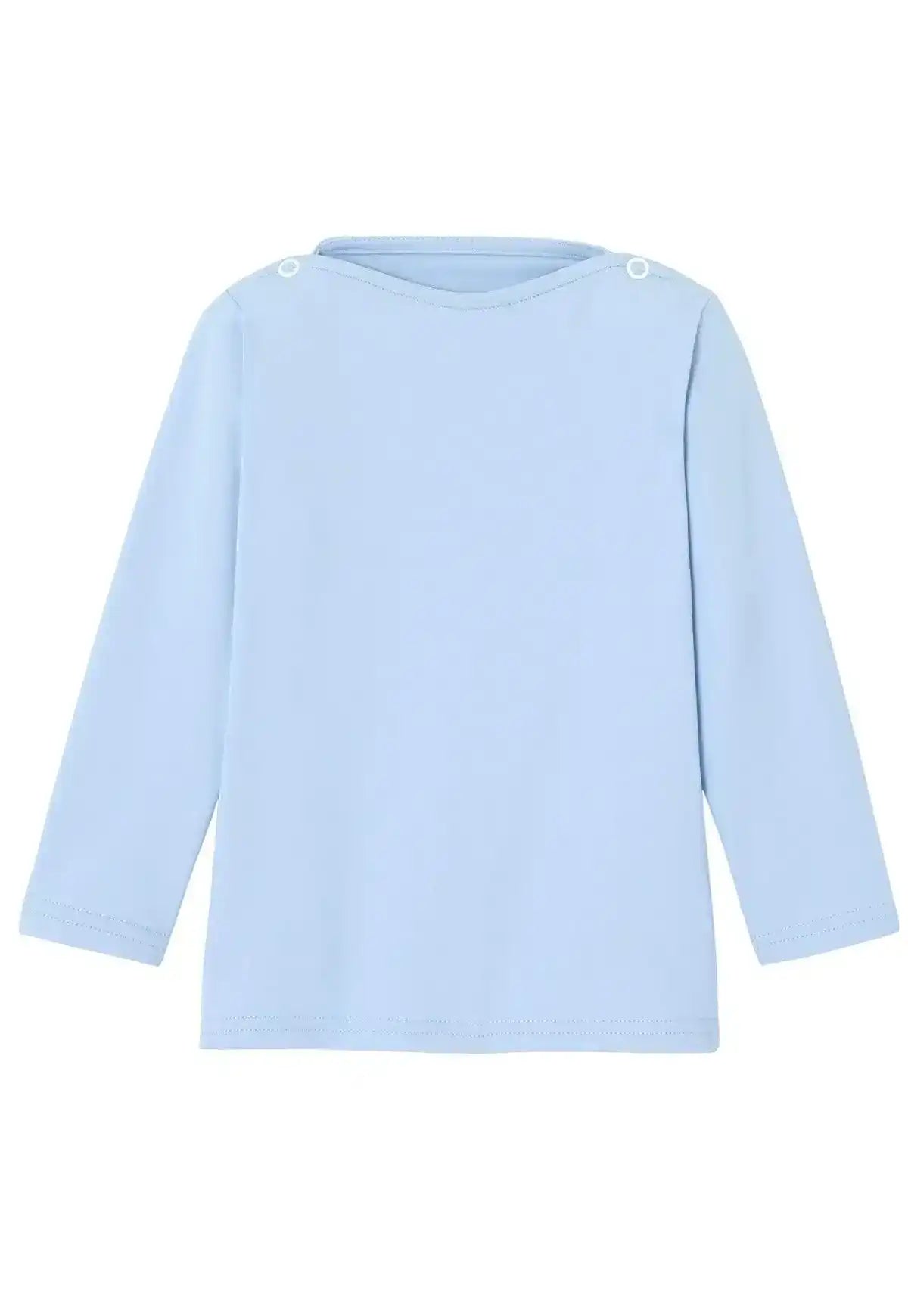

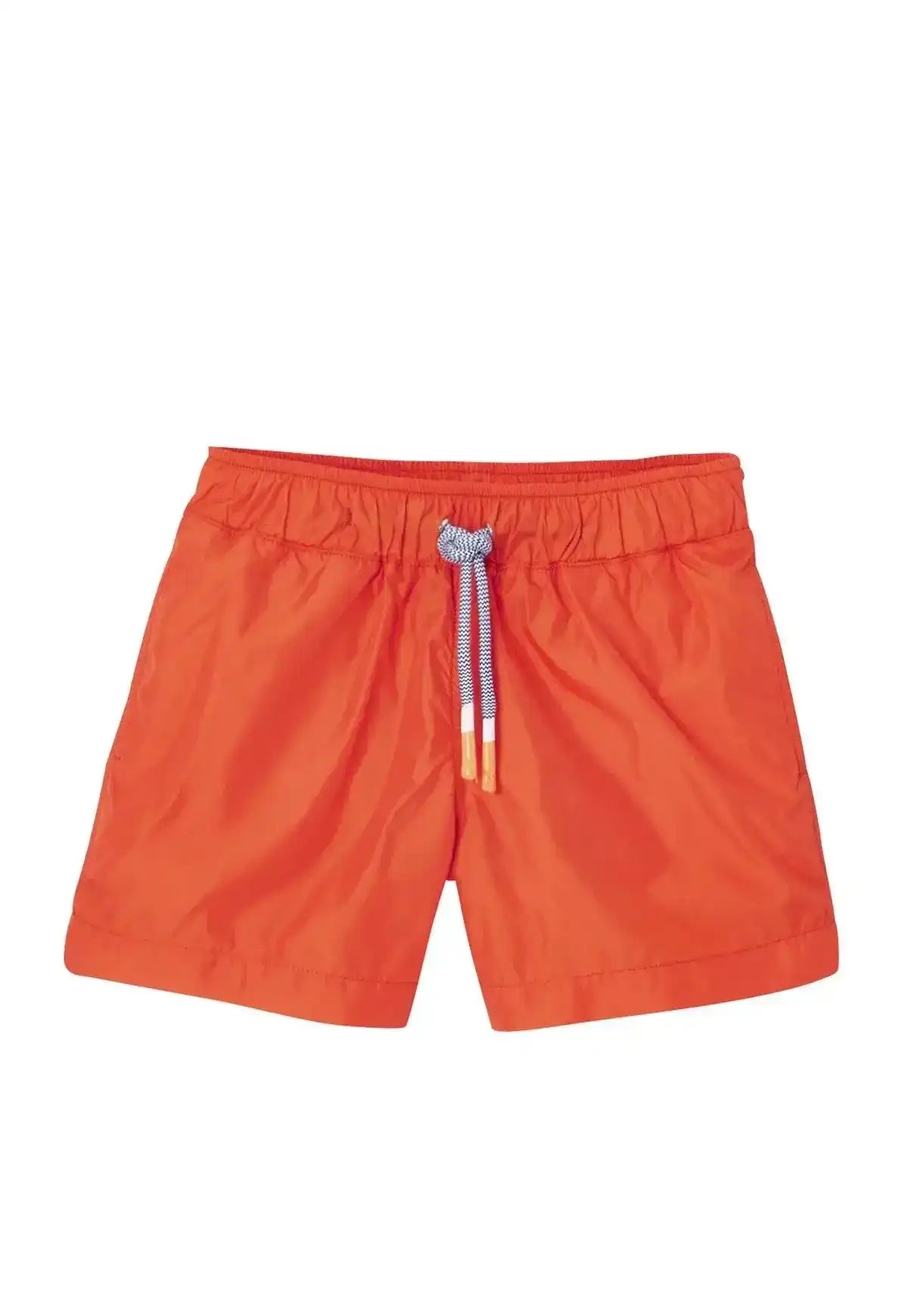

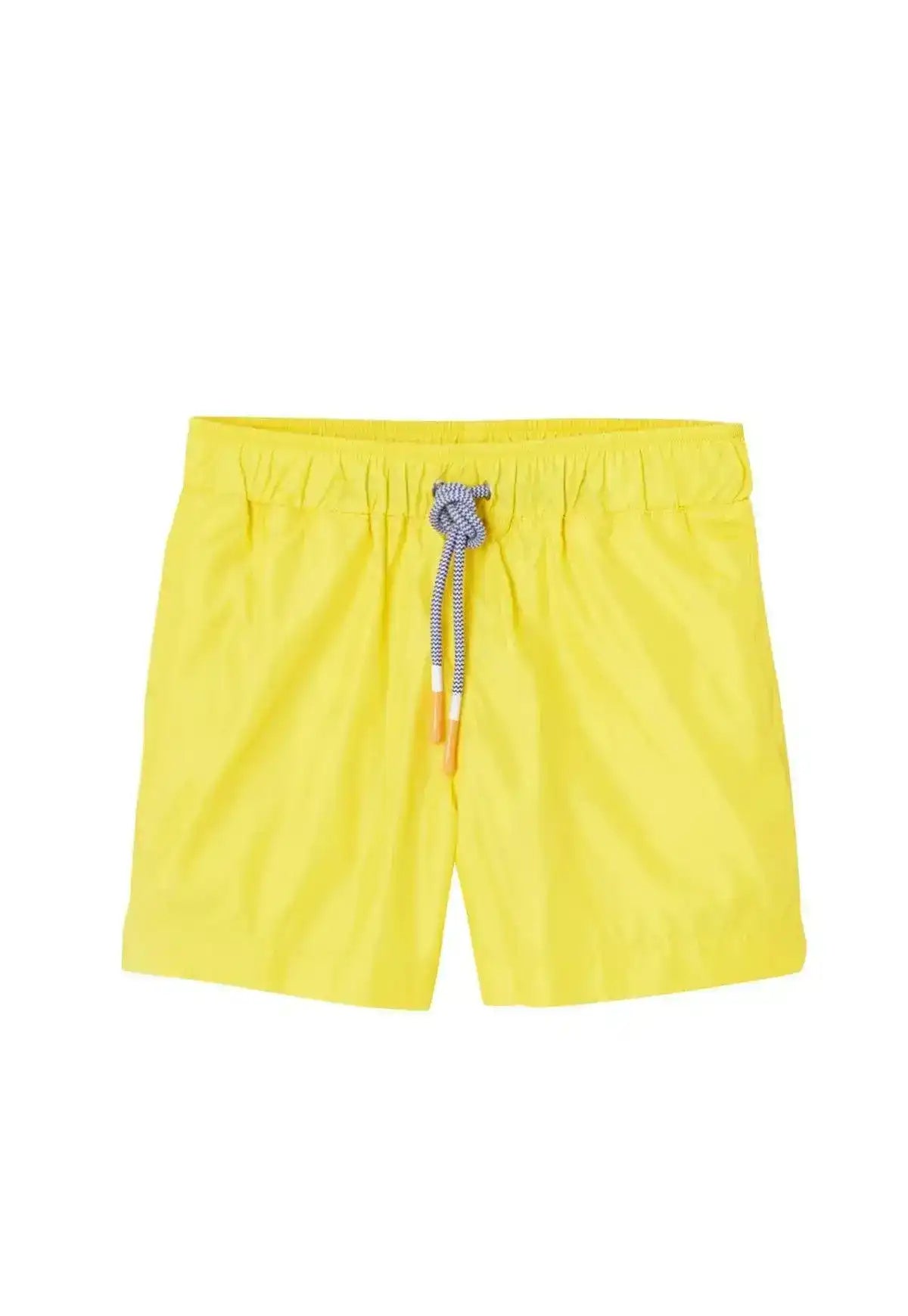

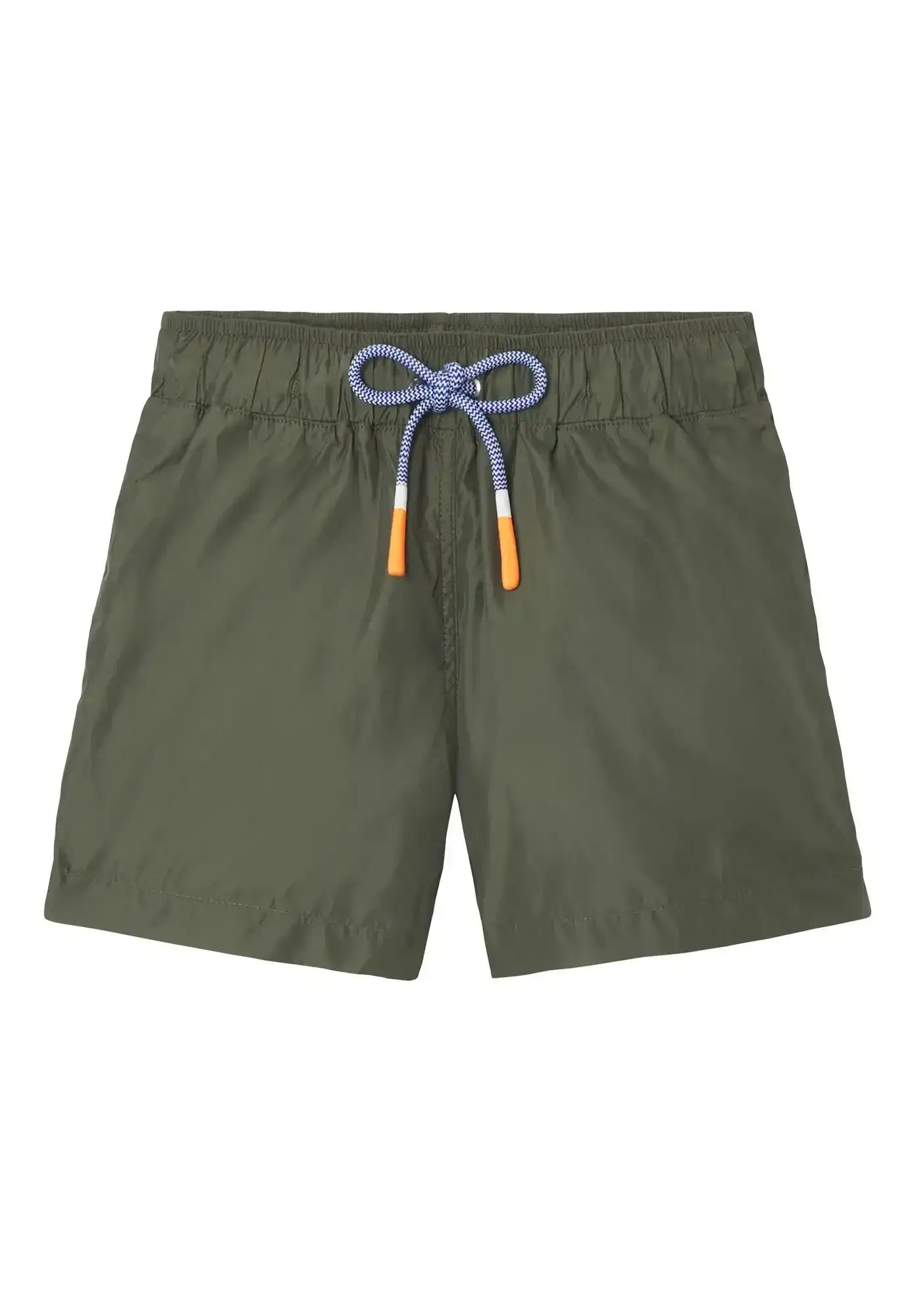

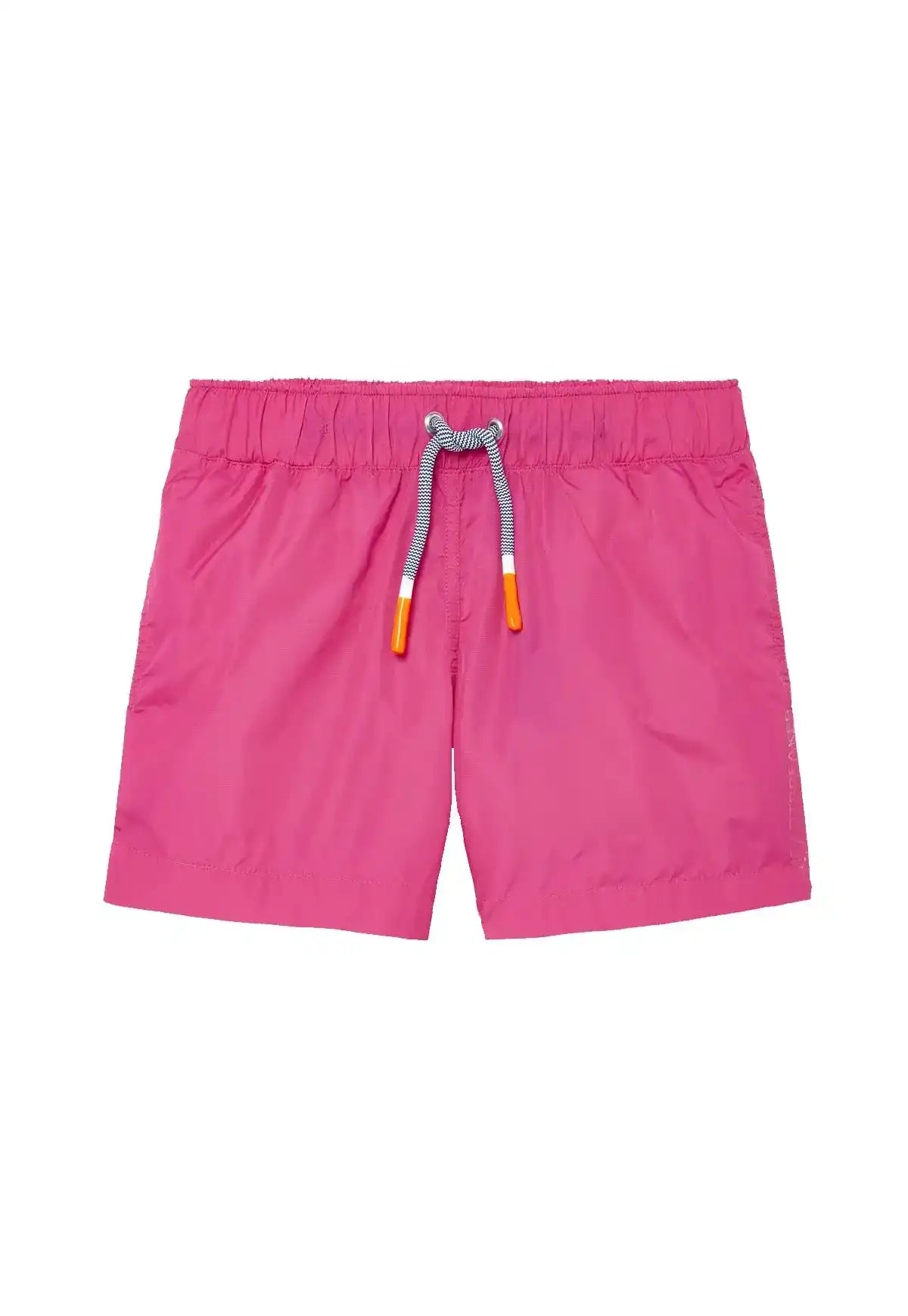

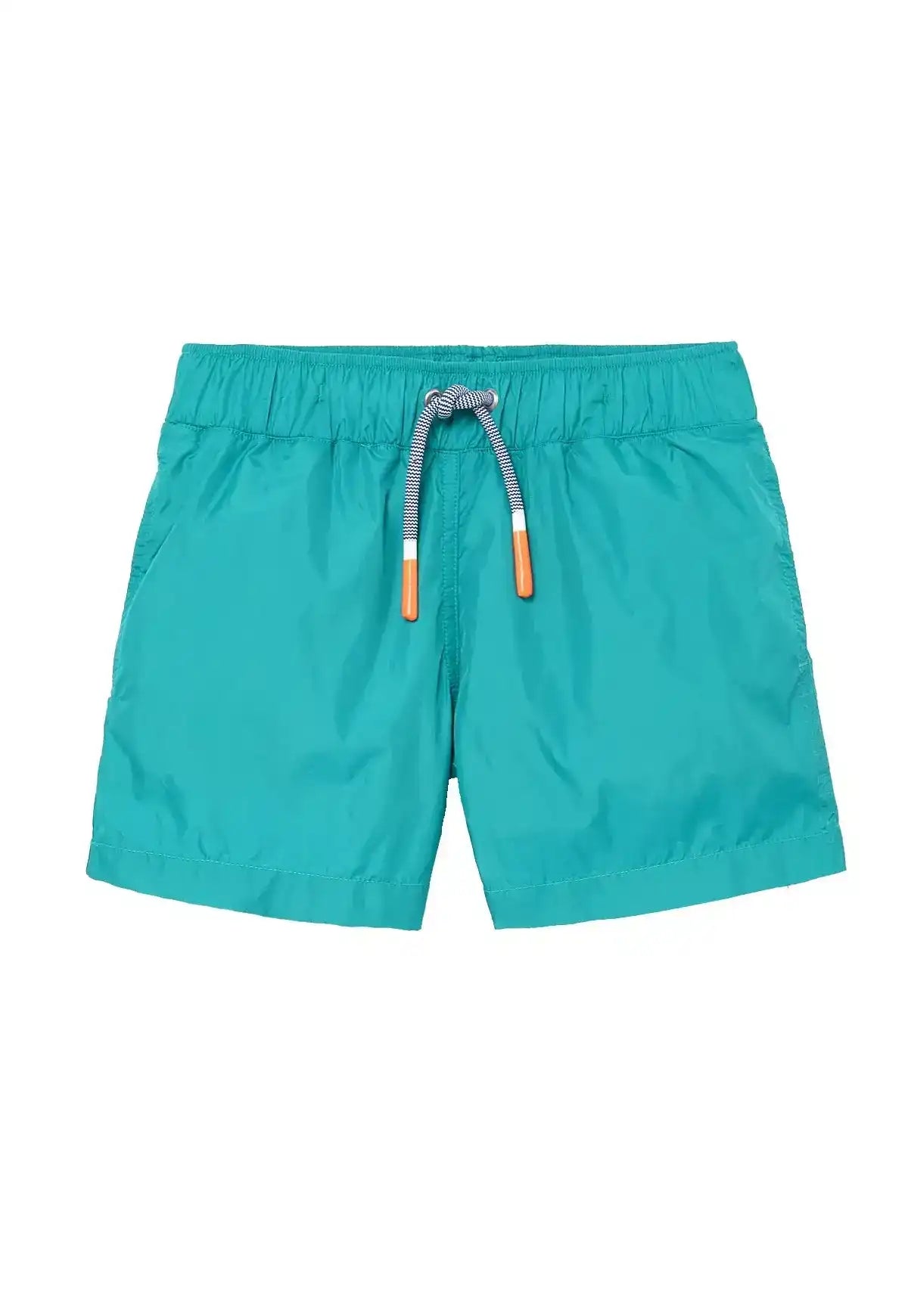


Boys swimsuit for stylish and active kids
A well-chosen boys swimsuit combines comfort, durability, and a touch of French elegance. Whether for beach days, pool sessions, or summer holidays, the right swimwear supports movement while keeping a polished look. Quality fabrics and thoughtful design make all the difference for little ones who love to play in the water.
When selecting swimwear for boys, consider the fabric’s resistance to chlorine and saltwater. Many parents opt for swim shorts for boys with quick-drying properties and reinforced seams. These details ensure the swimsuit lasts through multiple seasons of active wear. For added protection, some designs include built-in UV filters, shielding sensitive skin from the sun’s rays during long outdoor play.
How to choose the right boys swimwear for different activities
Not all boys swimwear serves the same purpose. For casual poolside lounging, loose-fitting swim trunks with an elastic waistband offer ease and comfort. These are ideal for kids who prefer a relaxed fit while still looking put-together. On the other hand, competitive swimming or frequent water sports call for streamlined designs that reduce drag and stay secure during movement.
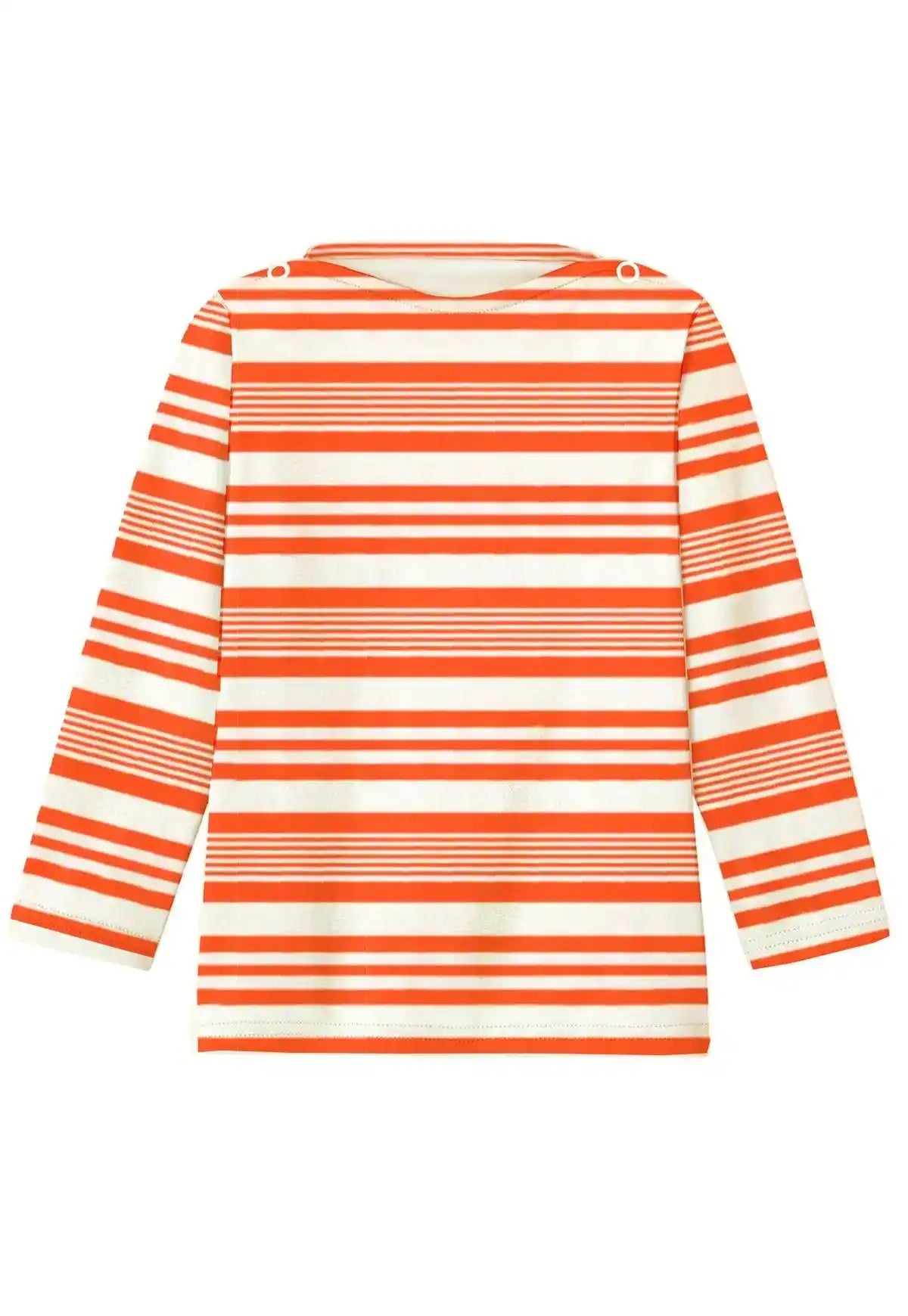
For younger children, swimwear with an integrated liner provides extra support and prevents wardrobe malfunctions. Parents often appreciate this feature during active play, as it eliminates the need for additional undergarments. When shopping for a rash guard for boys, look for flatlock stitching and chlorine-resistant fabrics. These elements prevent chafing and extend the garment’s lifespan, even with daily wear.
In practice, many families rotate between different styles depending on the occasion. A pair of swim shorts works well for beach outings, while a rash guard offers better coverage for extended sun exposure. Some brands even combine both elements into a single piece, providing versatility without sacrificing style.
Fabric technology in modern boys bathing suit designs
The best boys bathing suit options prioritize fabric innovation. European manufacturers often use lightweight, breathable materials that dry quickly and resist fading. These fabrics maintain their shape after repeated use, unlike cheaper alternatives that stretch or lose color after a few washes. Many high-end brands also incorporate recycled fibers, aligning with eco-conscious values without compromising performance.
Anti-UV treatments are another key feature in premium swimwear. These coatings block harmful rays, offering an extra layer of protection for children’s delicate skin. During a fitting, parents can test the fabric’s opacity by holding it up to light—denser weaves provide better UV resistance. Some brands even include Oeko-Tex certification, ensuring the materials are free from harmful substances.
A common mistake is assuming all swimwear offers equal sun protection. In reality, lighter colors and thinner fabrics may require additional sunscreen application. For extended outdoor activities, a swimwear set for kids with UPF 50+ certification provides peace of mind. This standard guarantees the fabric blocks at least 98% of UV rays, reducing the risk of sunburn during long beach days.
Styling tips for little boy swimsuit outfits
French-inspired swimwear for boys often features subtle prints and refined color palettes. Neutral tones like navy, beige, and olive pair well with most skin tones and create a timeless look. For a bolder statement, geometric patterns or maritime motifs add personality without overwhelming the design. When coordinating outfits, consider matching swim shorts with a lightweight linen shirt for post-beach lunches or a rash guard for added sun protection.
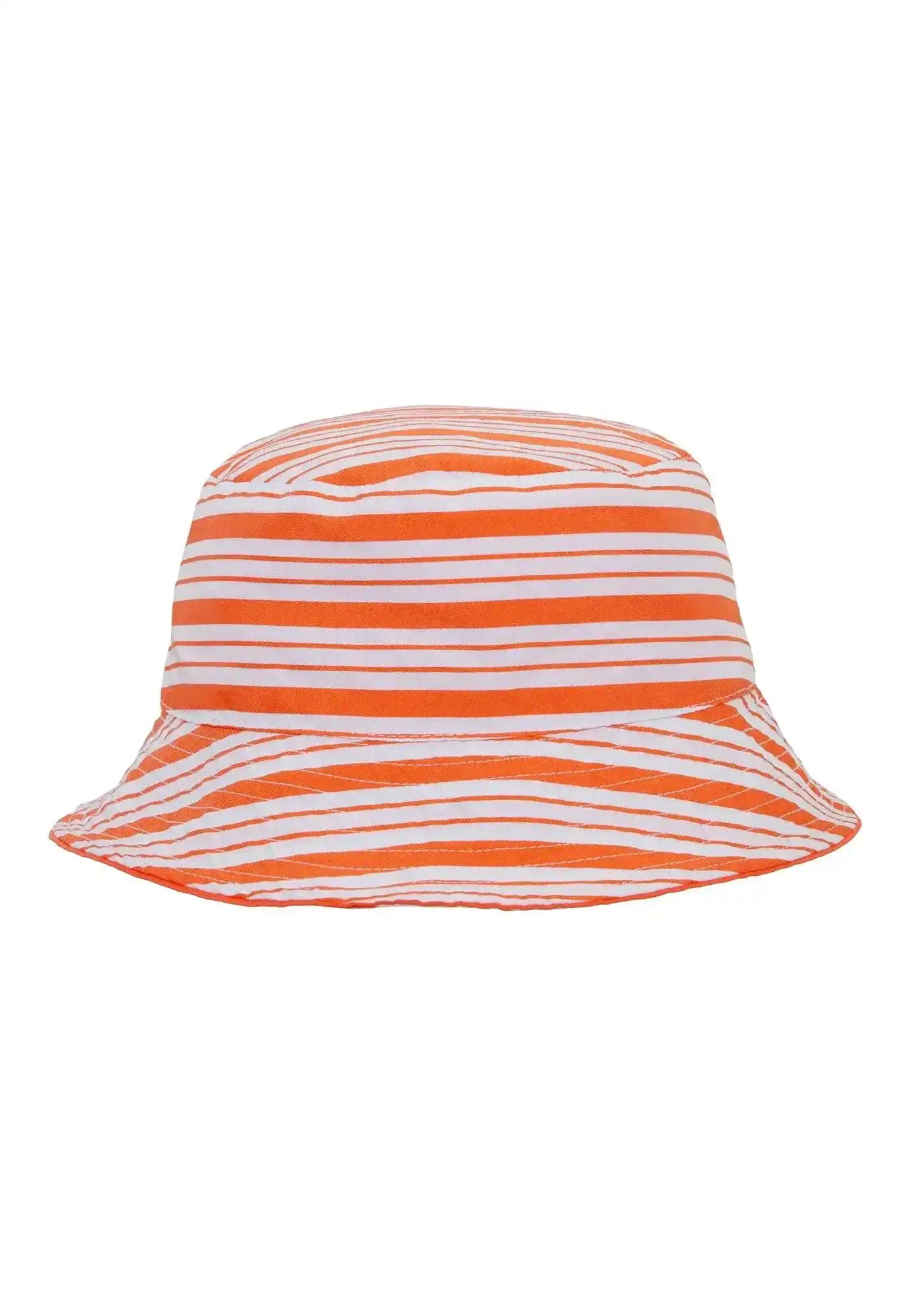
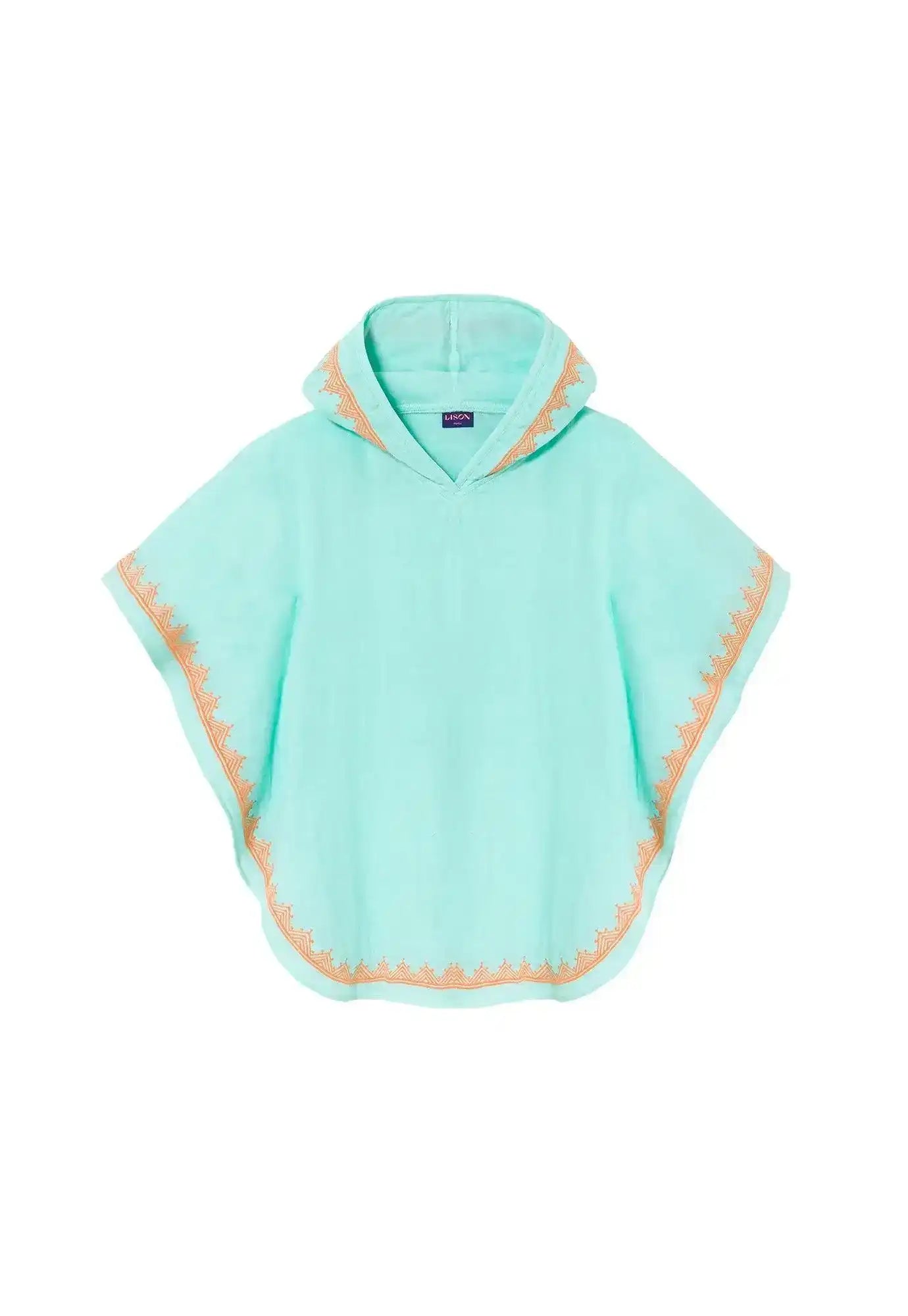
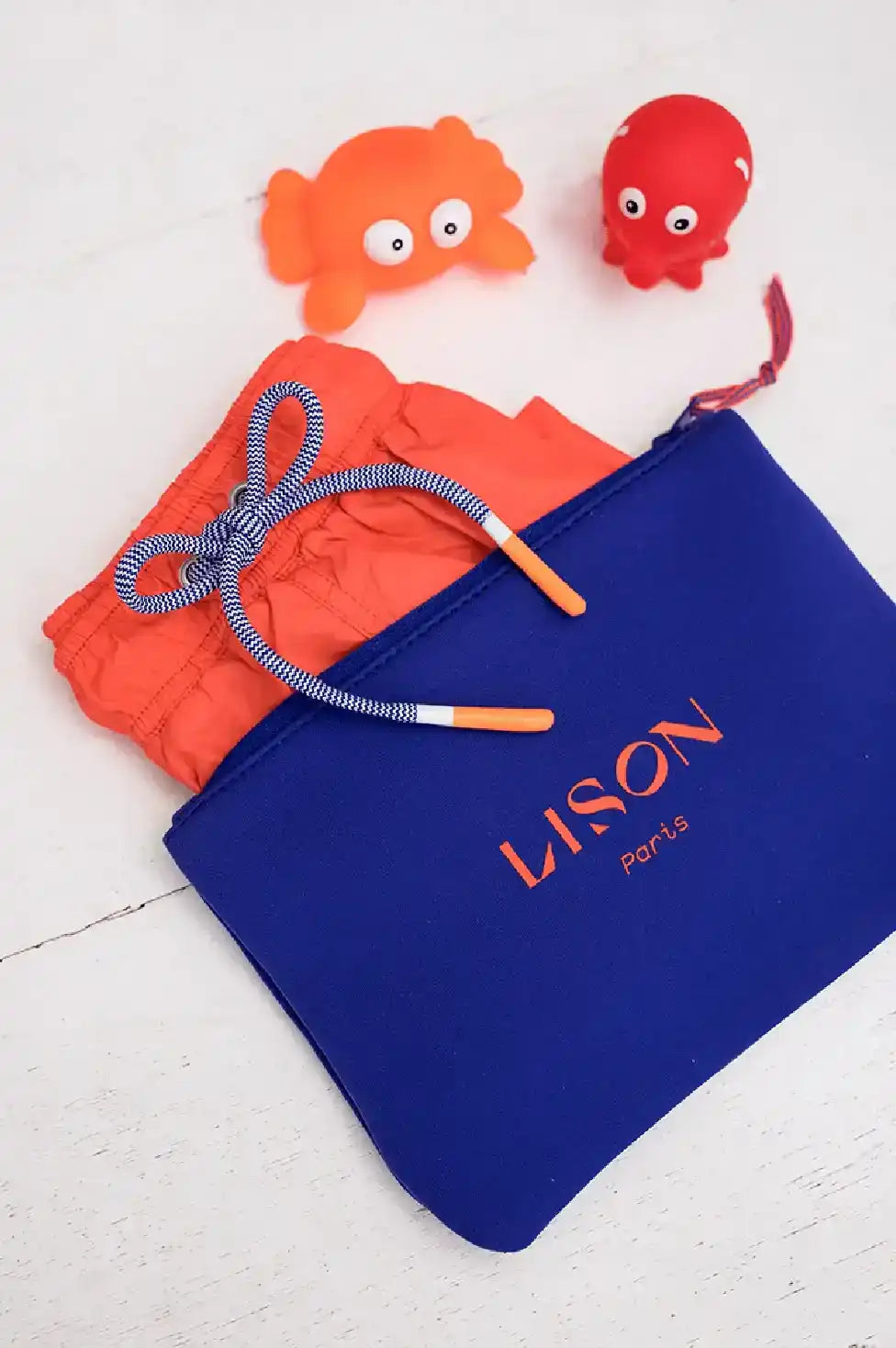
Accessories play a role in completing the look. A wide-brimmed hat shields the face and neck, while water-resistant sandals protect feet from hot sand. Some parents opt for a lightweight cover-up, which doubles as a stylish layer for cooler evenings. For active kids, a drawstring bag keeps essentials like sunscreen and goggles organized during outings.
Concretely, the key is balancing practicality with aesthetics. A well-fitted boys swimsuit should allow full range of motion while maintaining a polished appearance. During a fitting, check that the waistband sits comfortably without digging into the skin. For younger children, adjustable straps or elasticized waists accommodate growth spurts, extending the garment’s usability across multiple seasons.
Caring for your swimwear boys collection
Proper maintenance extends the life of any boys swimsuit. After each use, rinse the garment in fresh water to remove chlorine, salt, and sand. These elements degrade fabric fibers over time, leading to premature wear. Avoid wringing out the swimsuit, as this can distort the shape. Instead, gently squeeze out excess water and lay it flat to dry in the shade.
Washing swimwear requires mild detergent and cool water. Harsh chemicals or bleach break down elastic fibers, causing the garment to lose its fit. For stubborn stains, a soft brush or sponge helps lift residue without damaging the fabric. Always check the care label, as some high-performance materials require specific handling.
Storage also impacts longevity. Fold swimwear neatly rather than hanging it, as prolonged suspension can stretch the fabric. Keep it in a cool, dry place away from direct sunlight. Before the next use, inspect the seams and elastic for signs of wear. If the fabric feels loose or the lining becomes rough, it may be time to replace the piece. For families with multiple children, consider kids’ swimwear sets designed for durability, ensuring the garments withstand repeated use and hand-me-downs.
Frequently asked questions about boys swimwear
What is the best fabric for a boys swimsuit?
The ideal fabric balances quick-drying properties, chlorine resistance, and comfort. Polyester blends with elastane are popular for their durability and stretch. Some brands use recycled polyester, which offers the same performance while reducing environmental impact. For sensitive skin, look for fabrics with Oeko-Tex certification, ensuring they are free from harmful chemicals.
How do I know if a boys bathing suit fits correctly?
A well-fitted boys bathing suit should allow full movement without sagging or pinching. The waistband should sit comfortably at the natural waist, neither too tight nor too loose. For swim shorts, the leg openings should not ride up when the child moves. During a fitting, have the child raise their arms and bend at the waist to test the garment’s flexibility.
Are rash guards necessary for boys swimwear?
Rash guards provide extra sun protection and reduce skin irritation from sand or rough surfaces. They are particularly useful for children with fair skin or those who spend long hours in the water. Many parents choose rash guards with UPF 50+ certification for extended outdoor activities. While not mandatory, they offer an added layer of safety and comfort.
How often should I replace my child’s boys swimsuit?
Replace a boys swimsuit when the fabric loses its shape, the elastic weakens, or the color fades significantly. Frequent exposure to chlorine, saltwater, and sunlight accelerates wear. On average, a high-quality swimsuit lasts one to two seasons with proper care. Regular inspections help identify signs of deterioration before they become problematic.
Can boys swimwear be recycled?
Some brands offer recycling programs for old swimwear, particularly those made from synthetic fibers. Check with the manufacturer for take-back initiatives or local textile recycling options. For swimwear in good condition, consider donating it to second-hand stores or passing it down to younger siblings. This extends the garment’s lifespan and reduces waste.

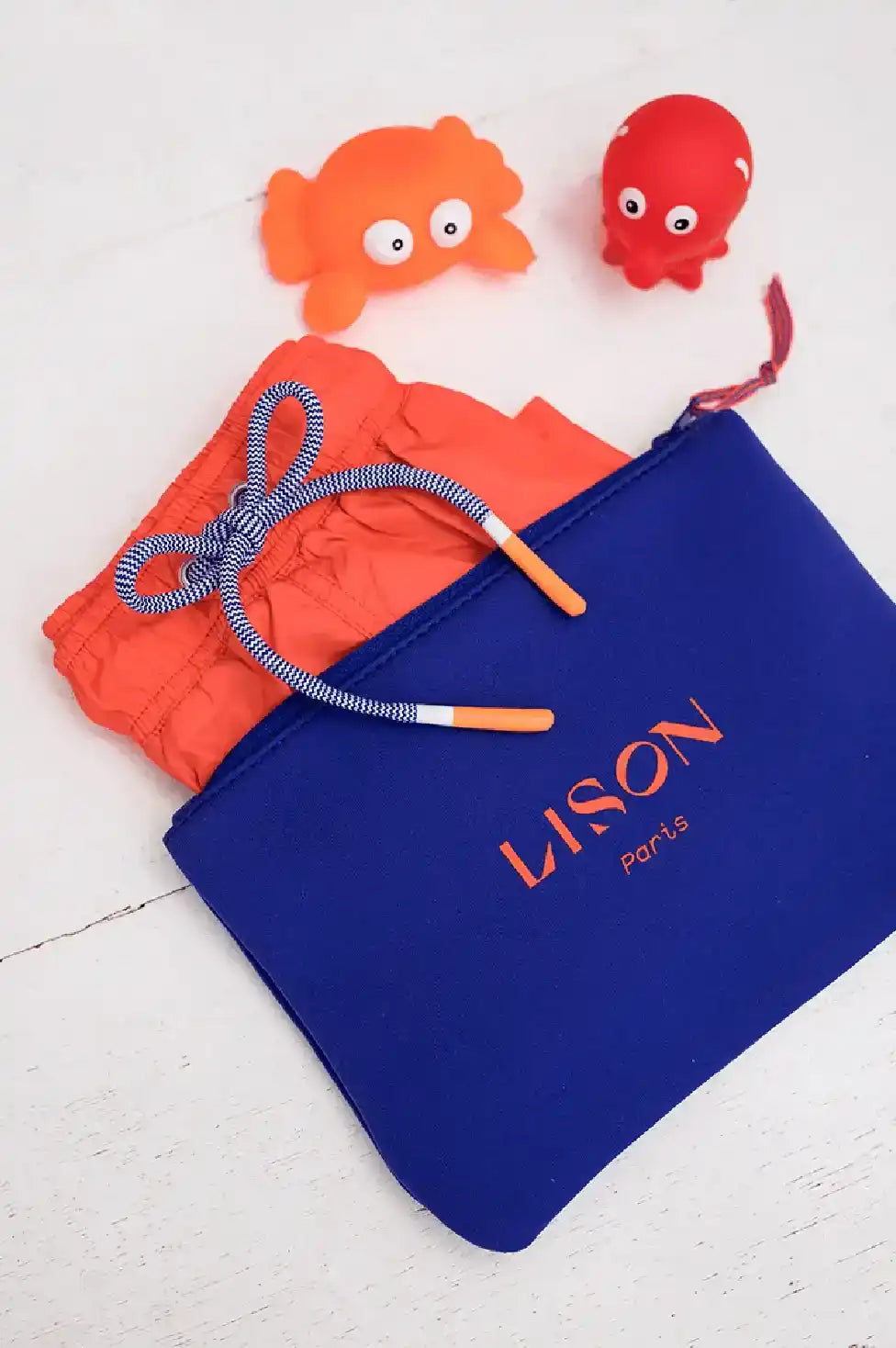
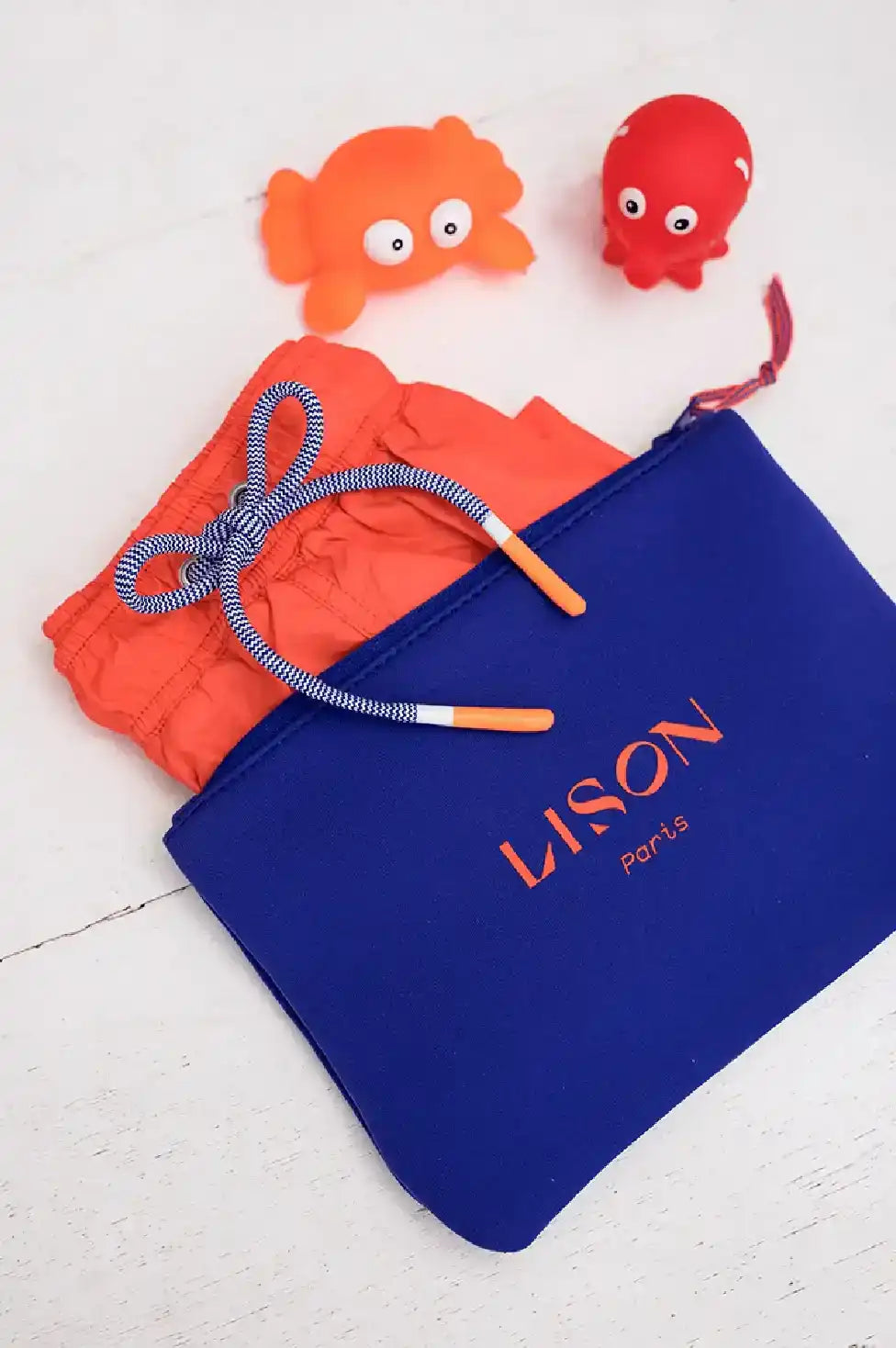
A FREE POUCH
with your order

FREE EXCHANGE
within 30 days

FREE DELIVERY
in France

SECURE PAYMENT
CB - Visa - Mastercard - Paypal