
Filters
7 products
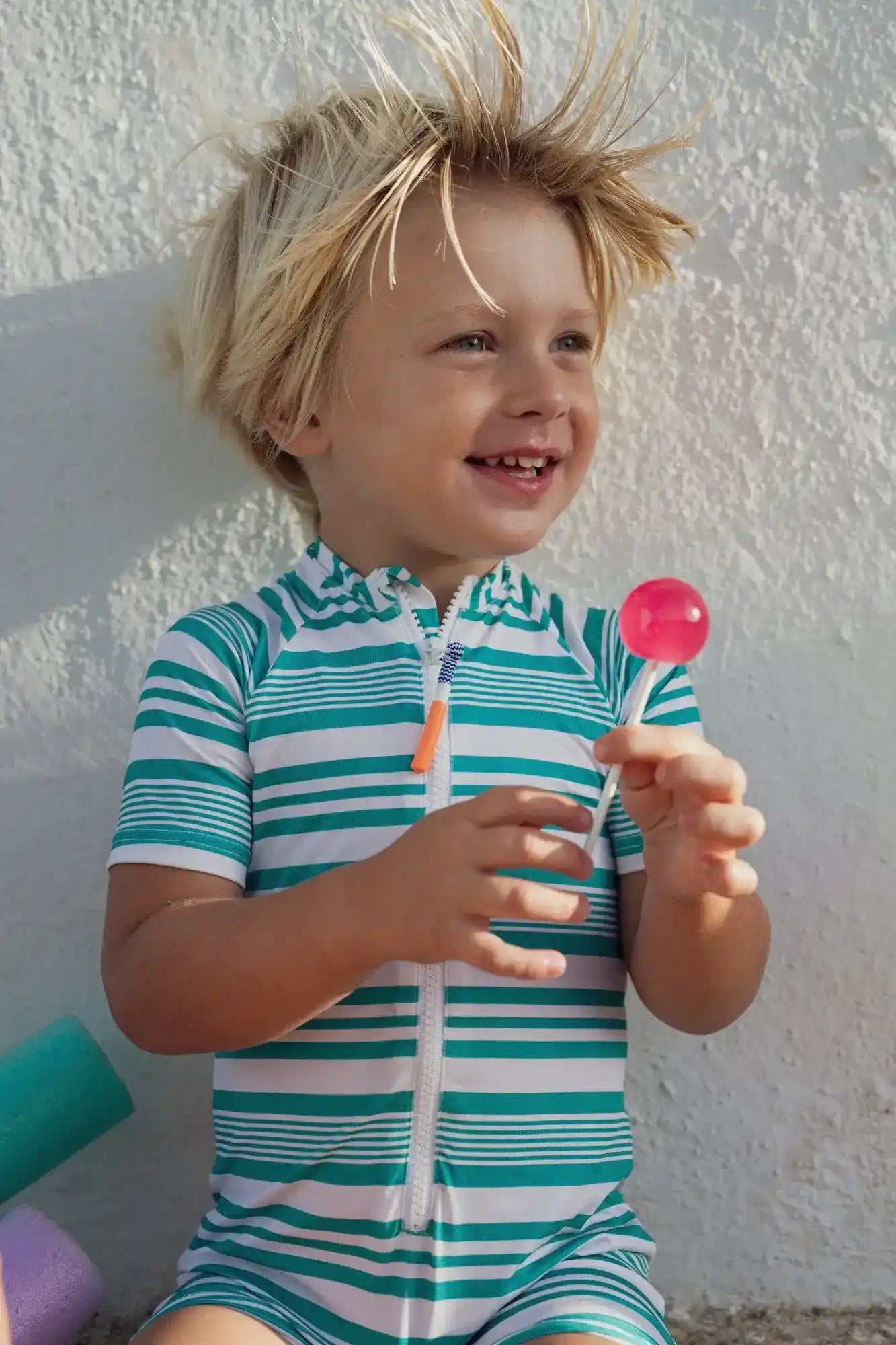
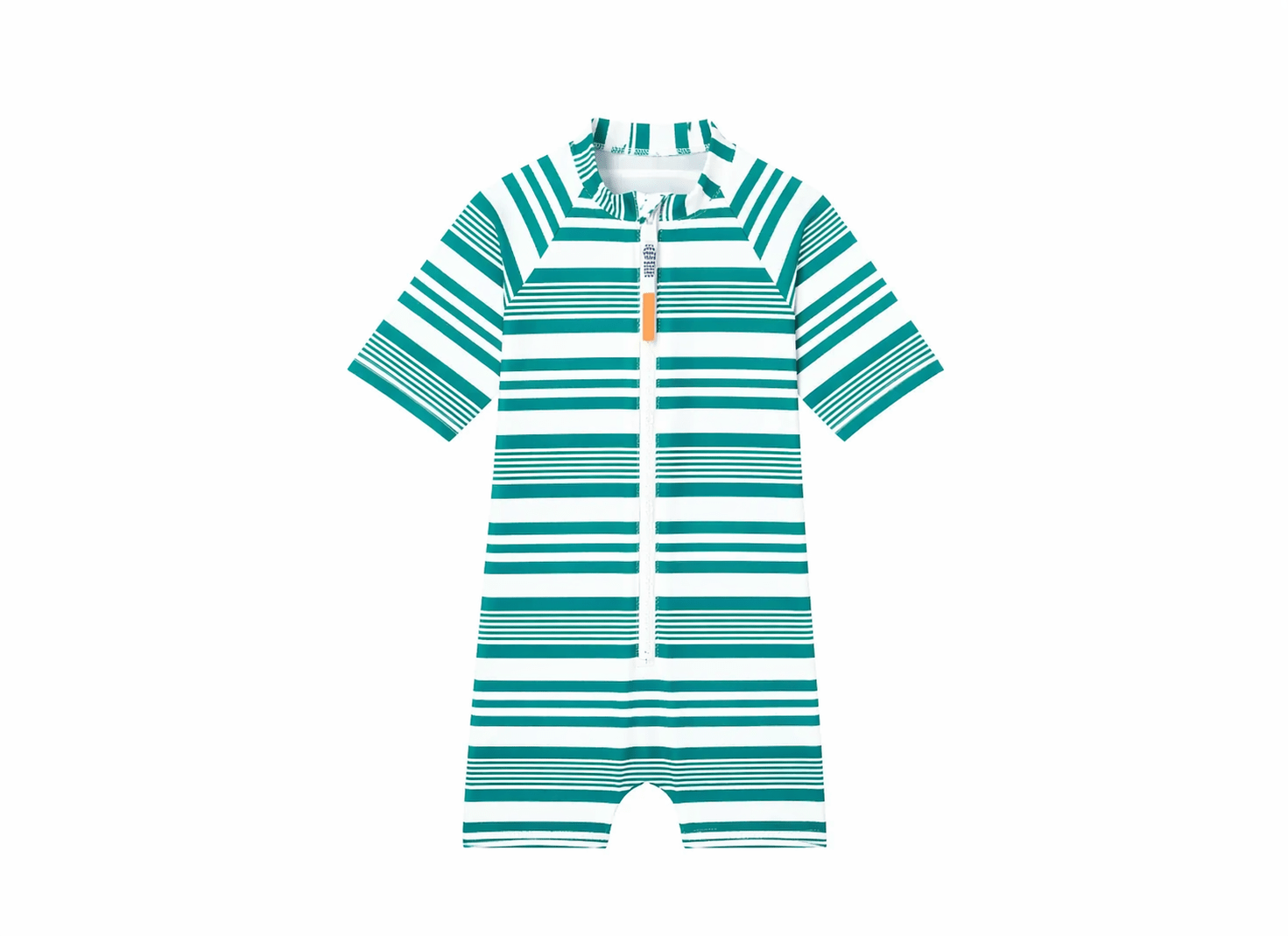
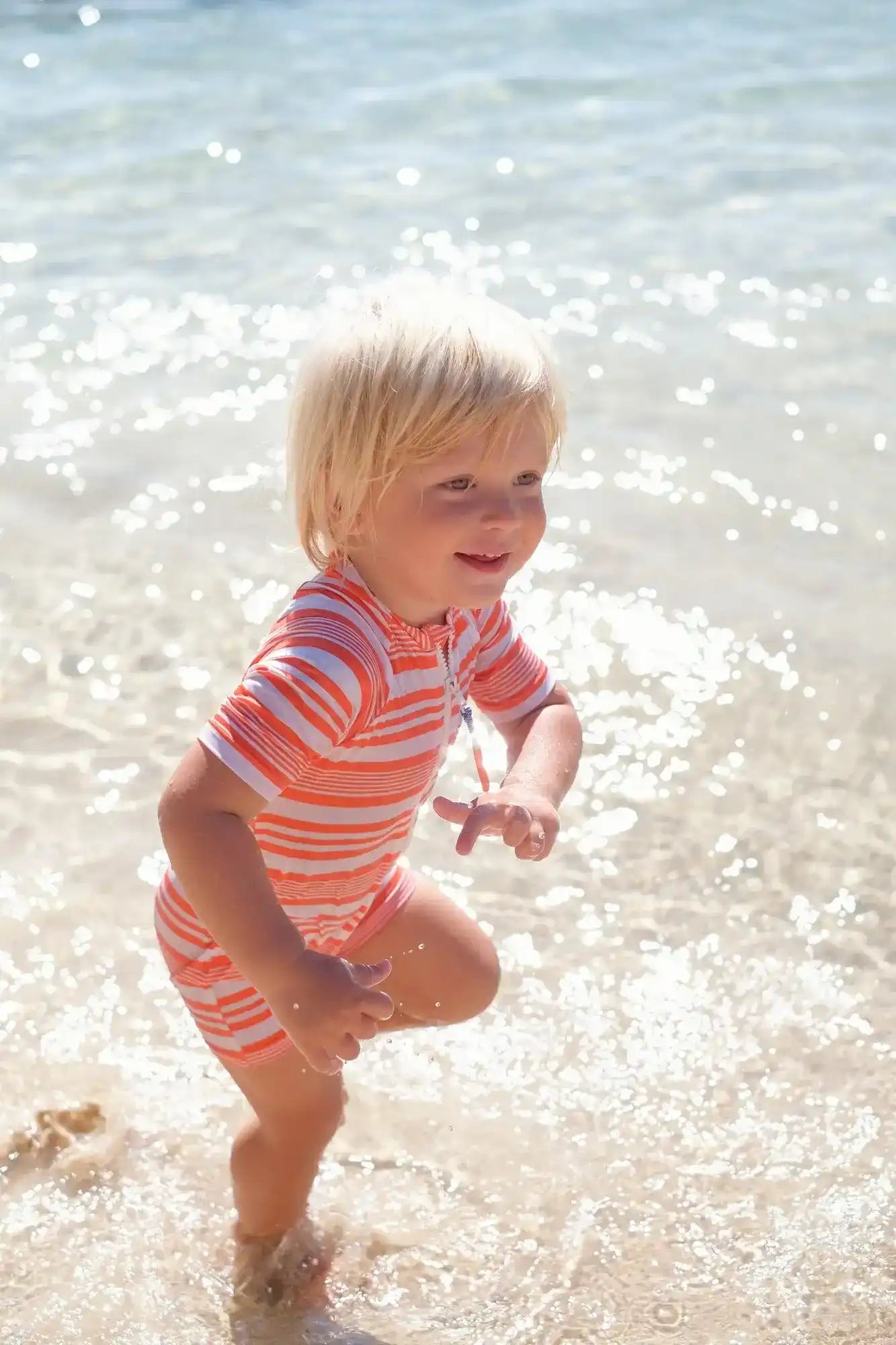
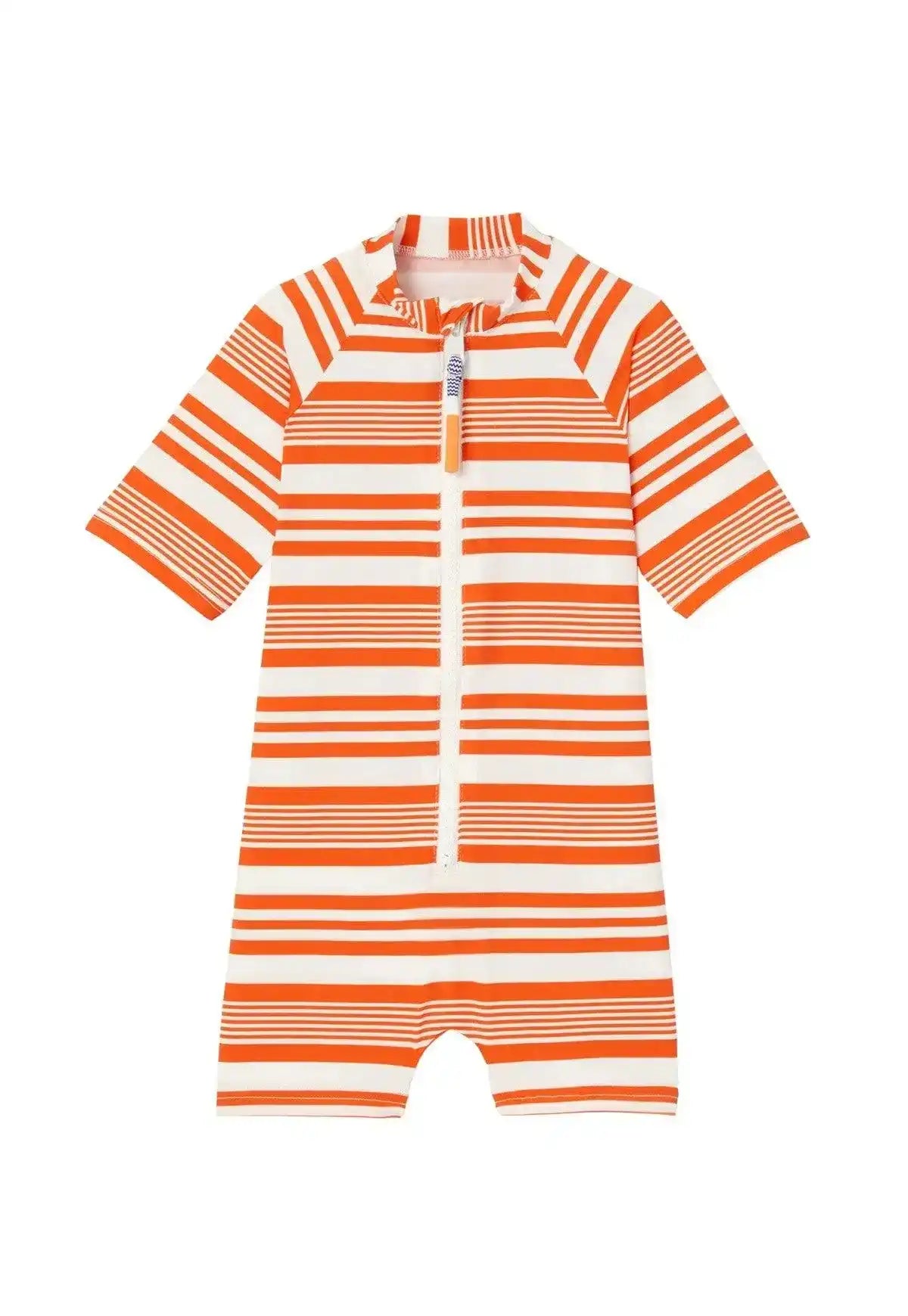
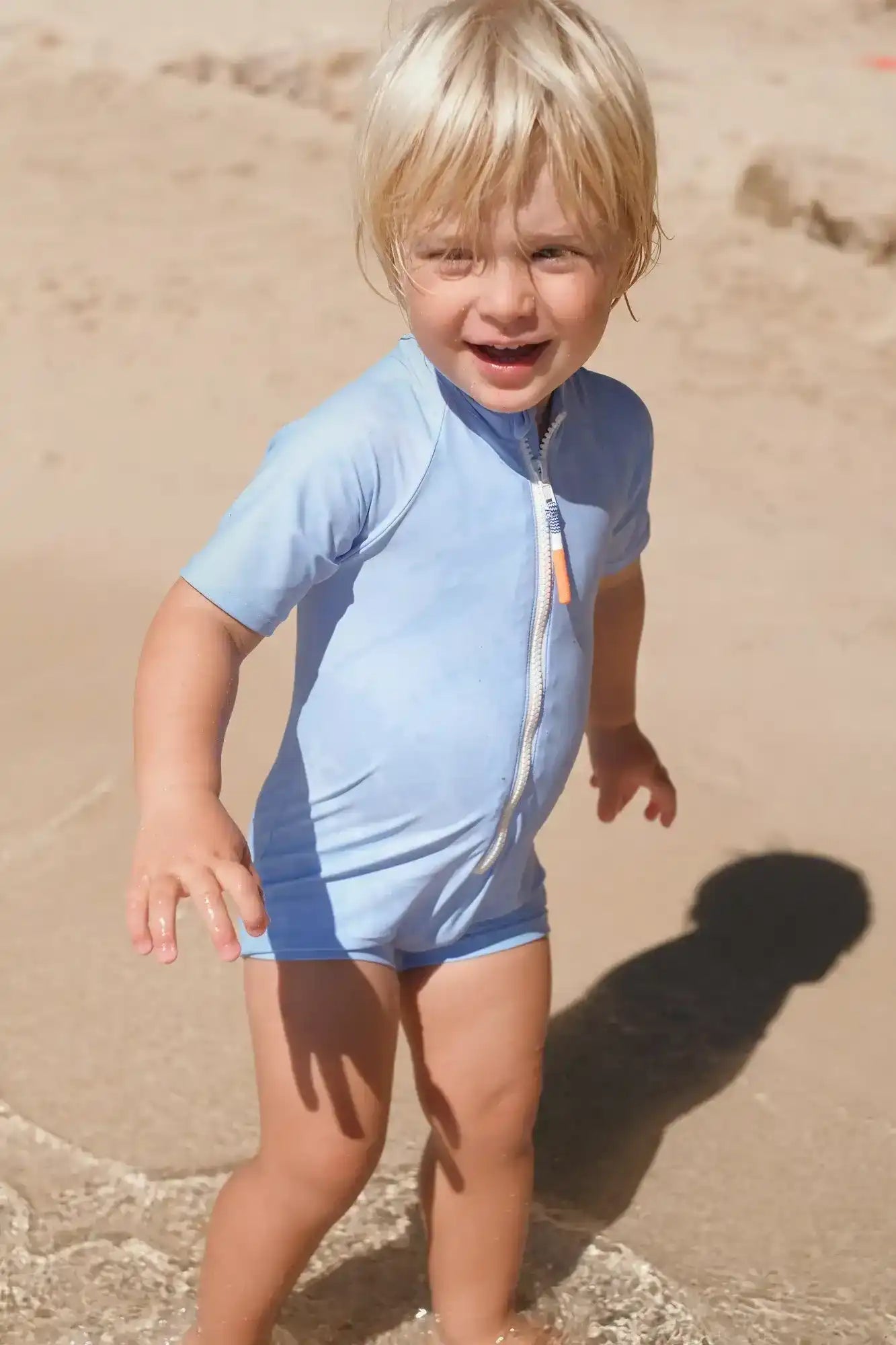
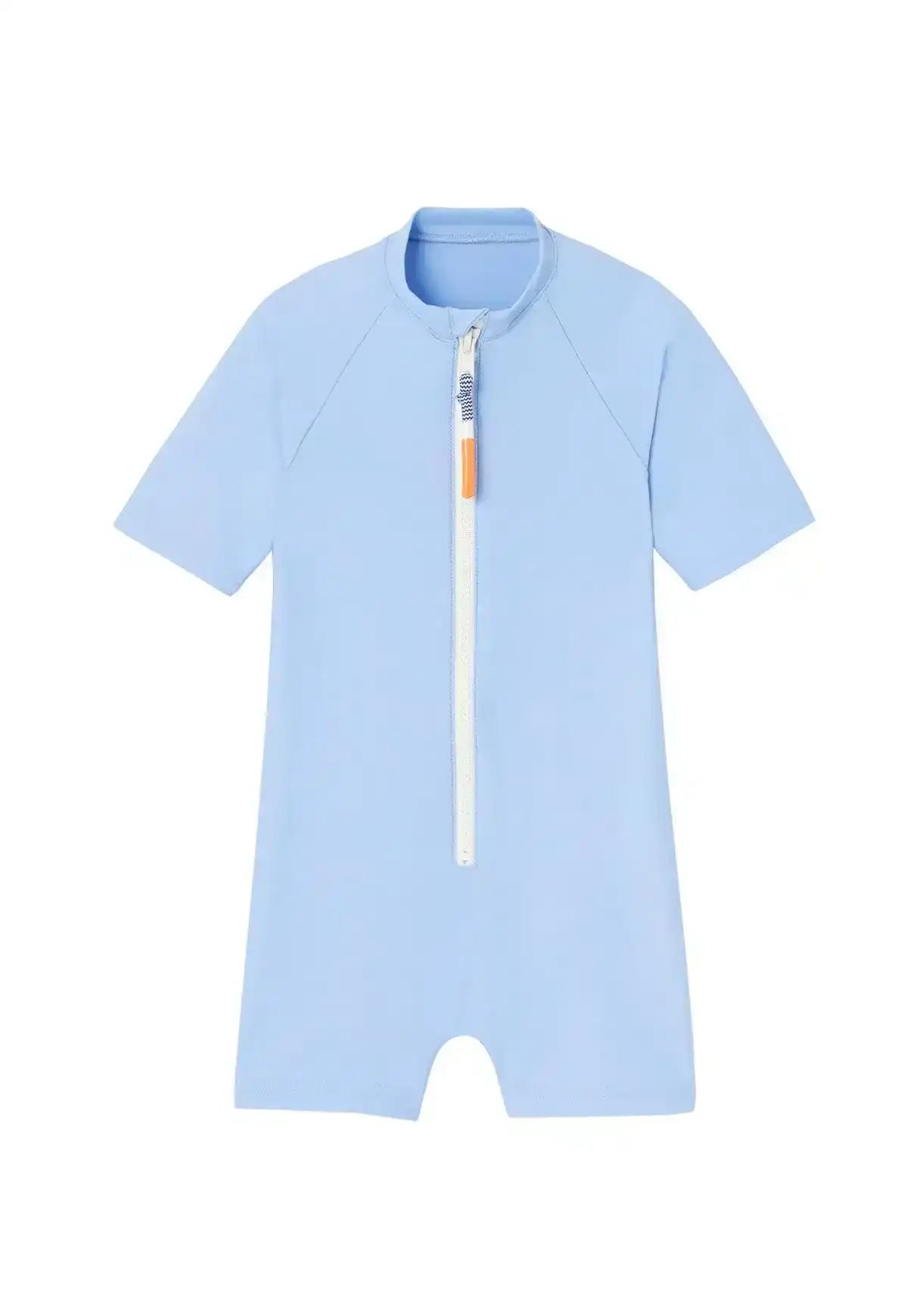

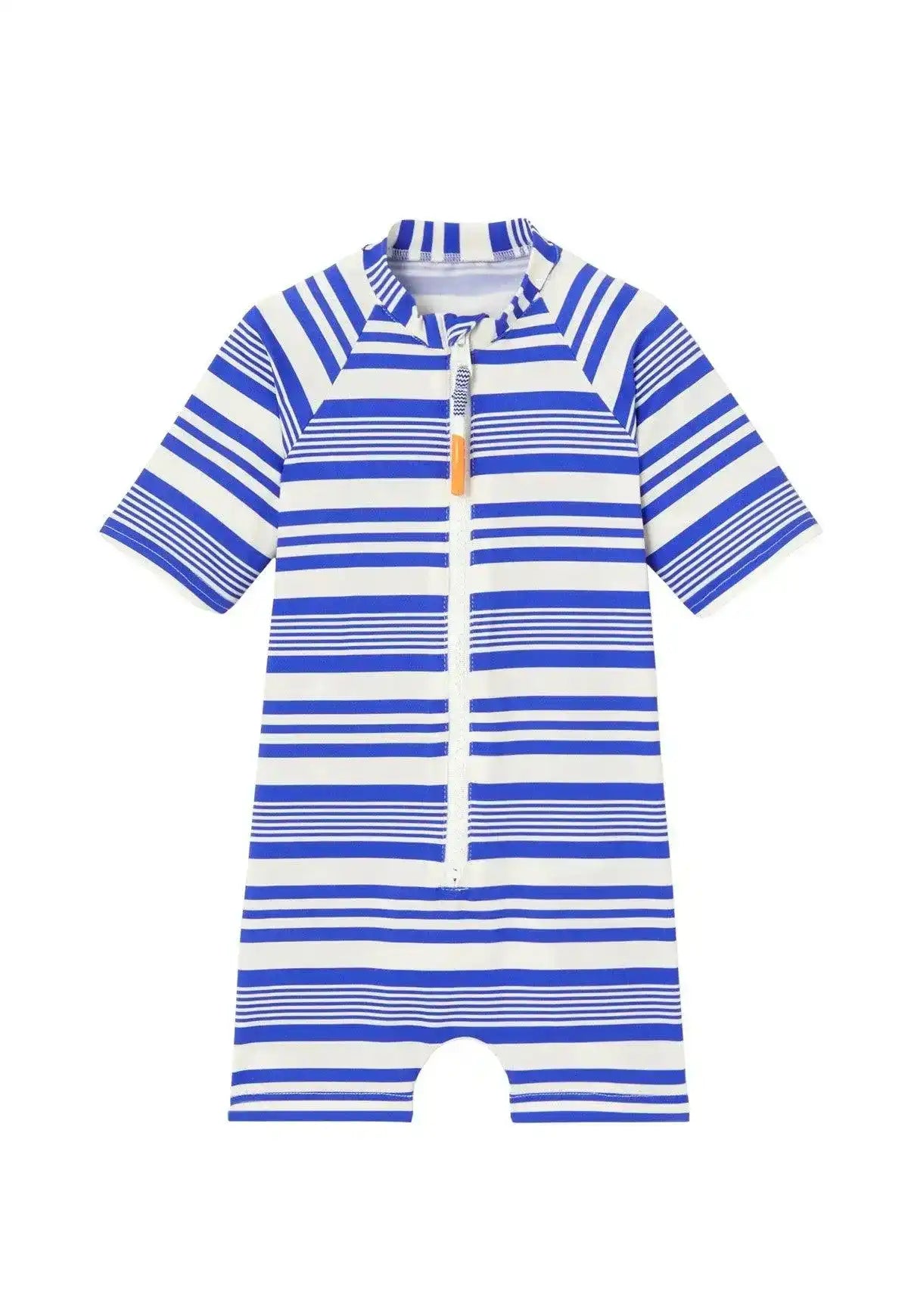
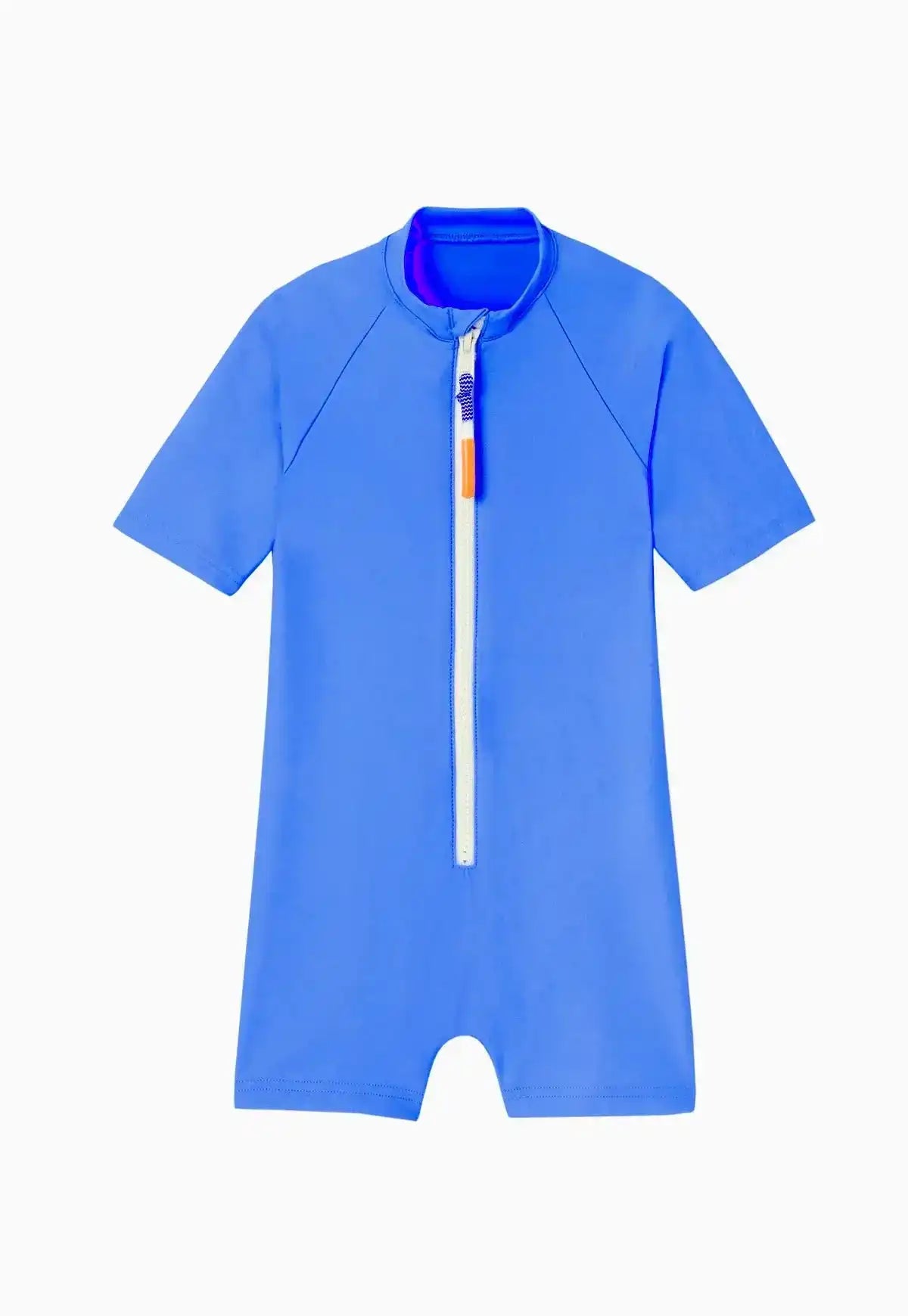
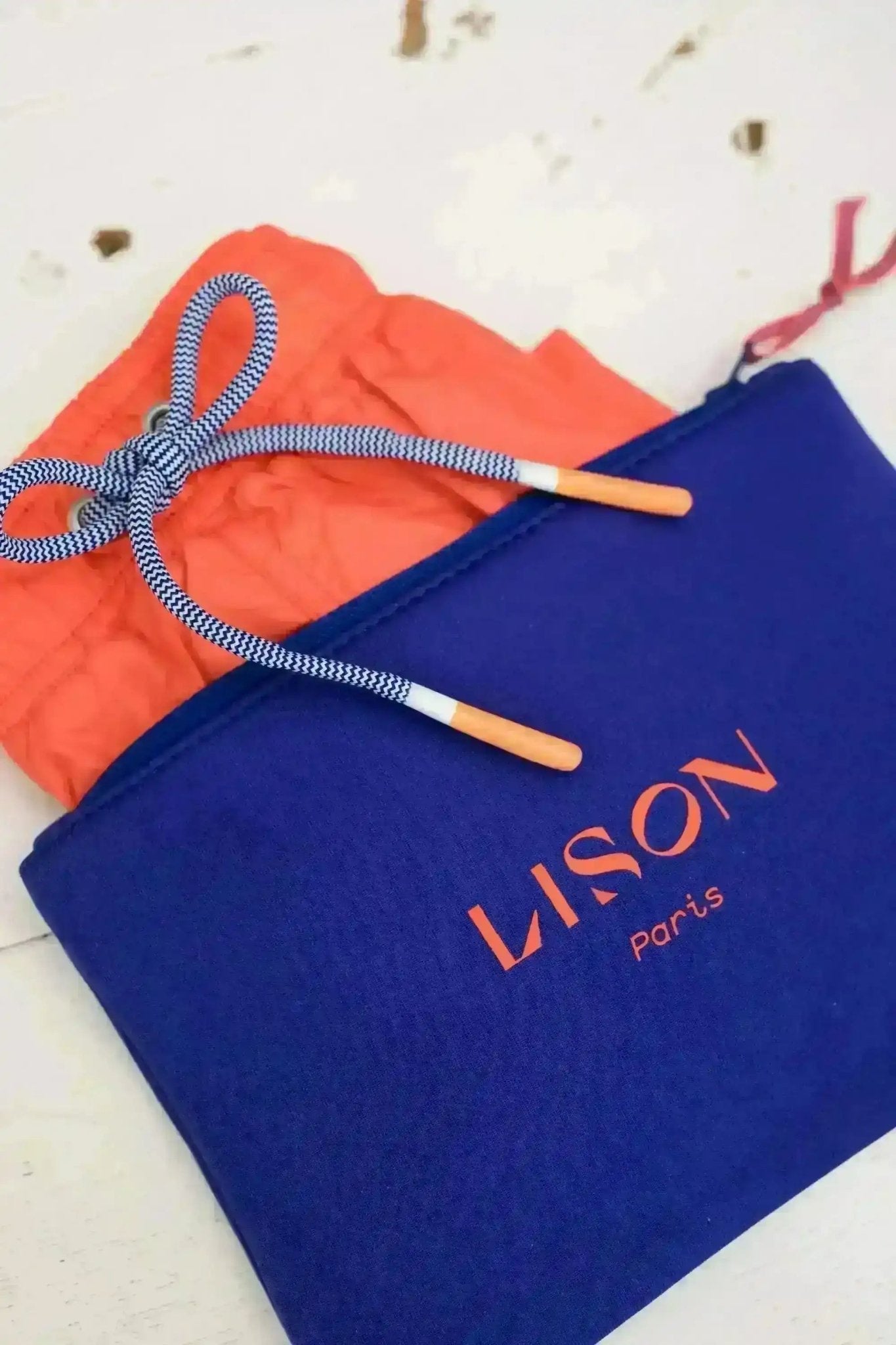
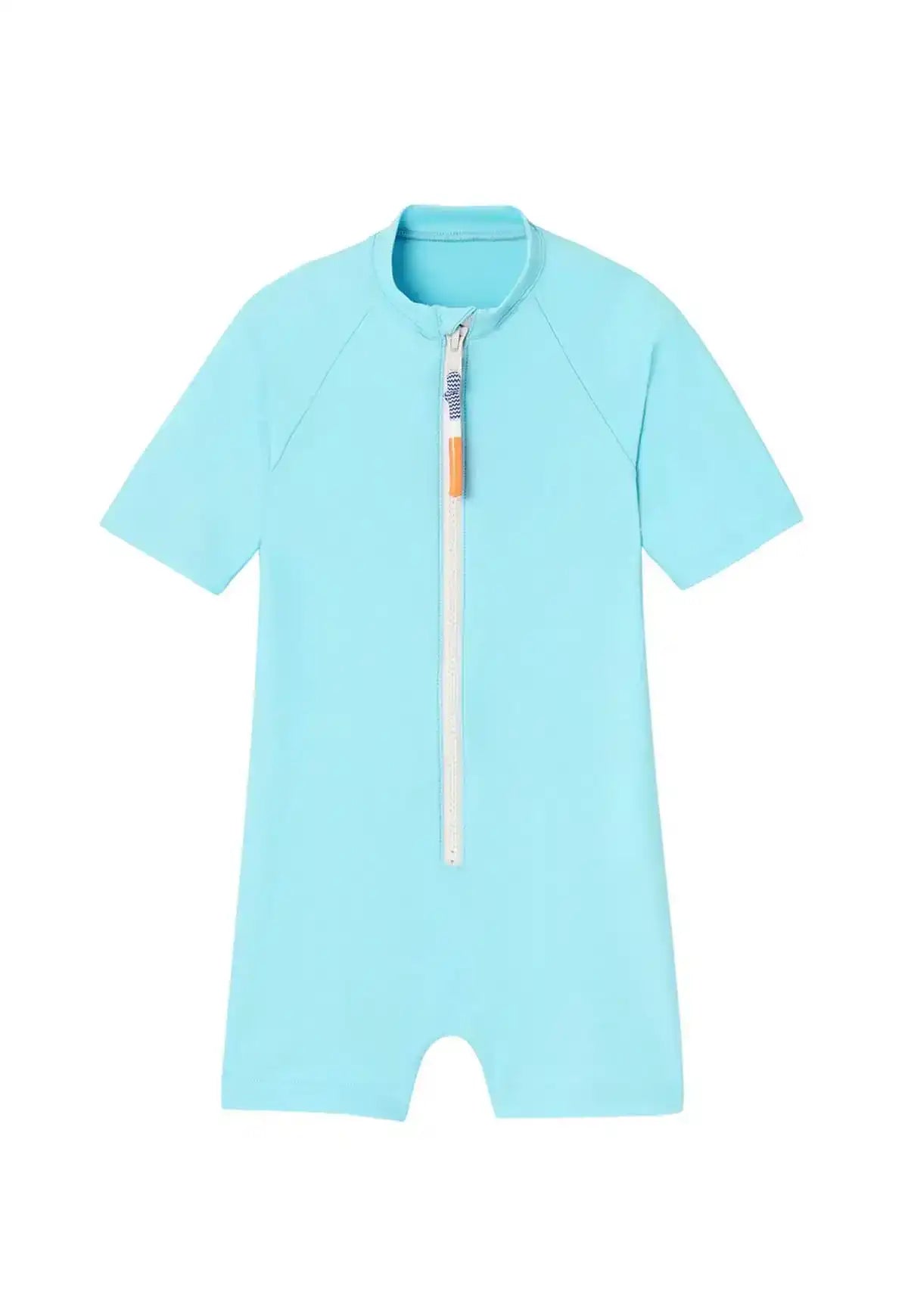
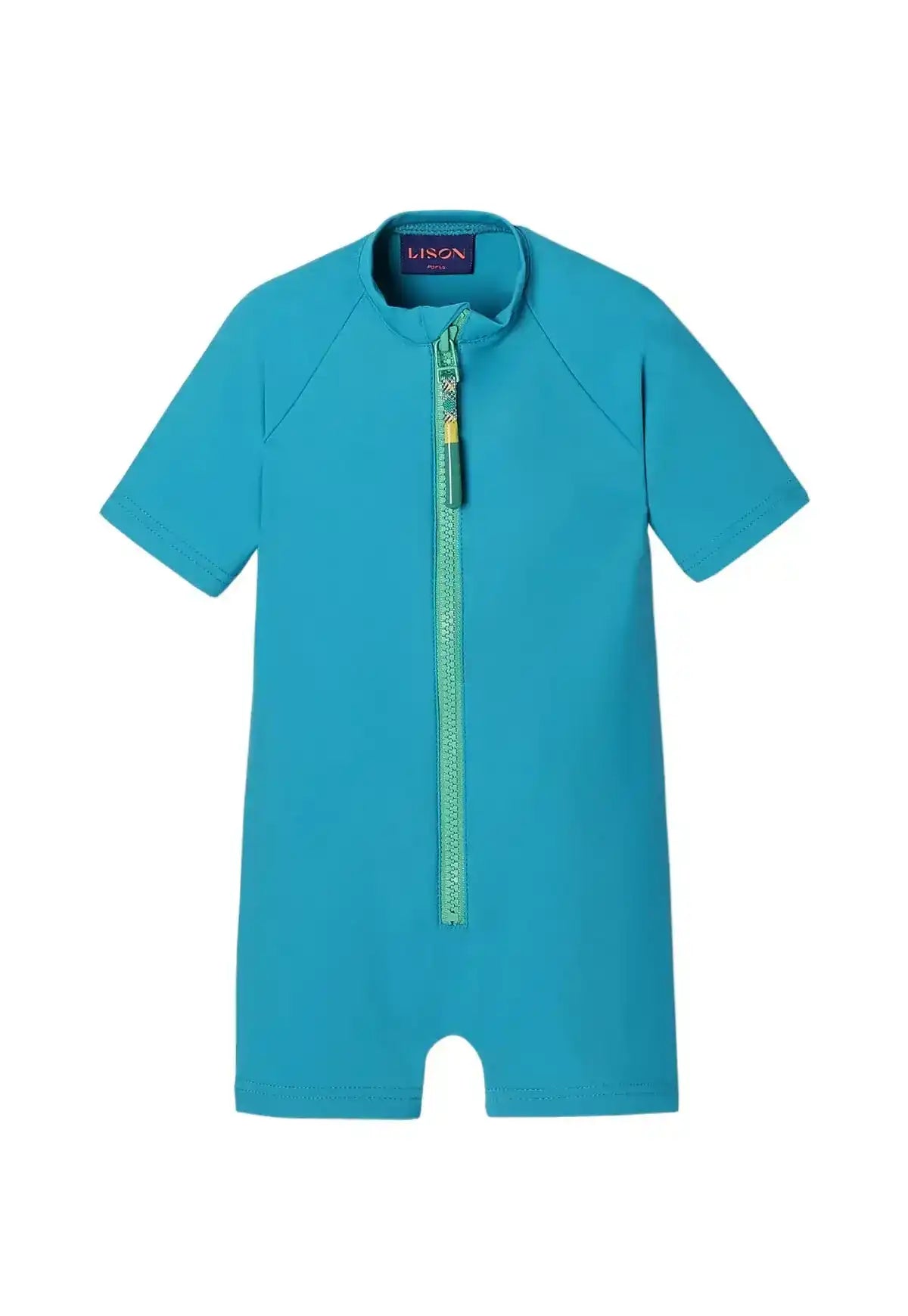
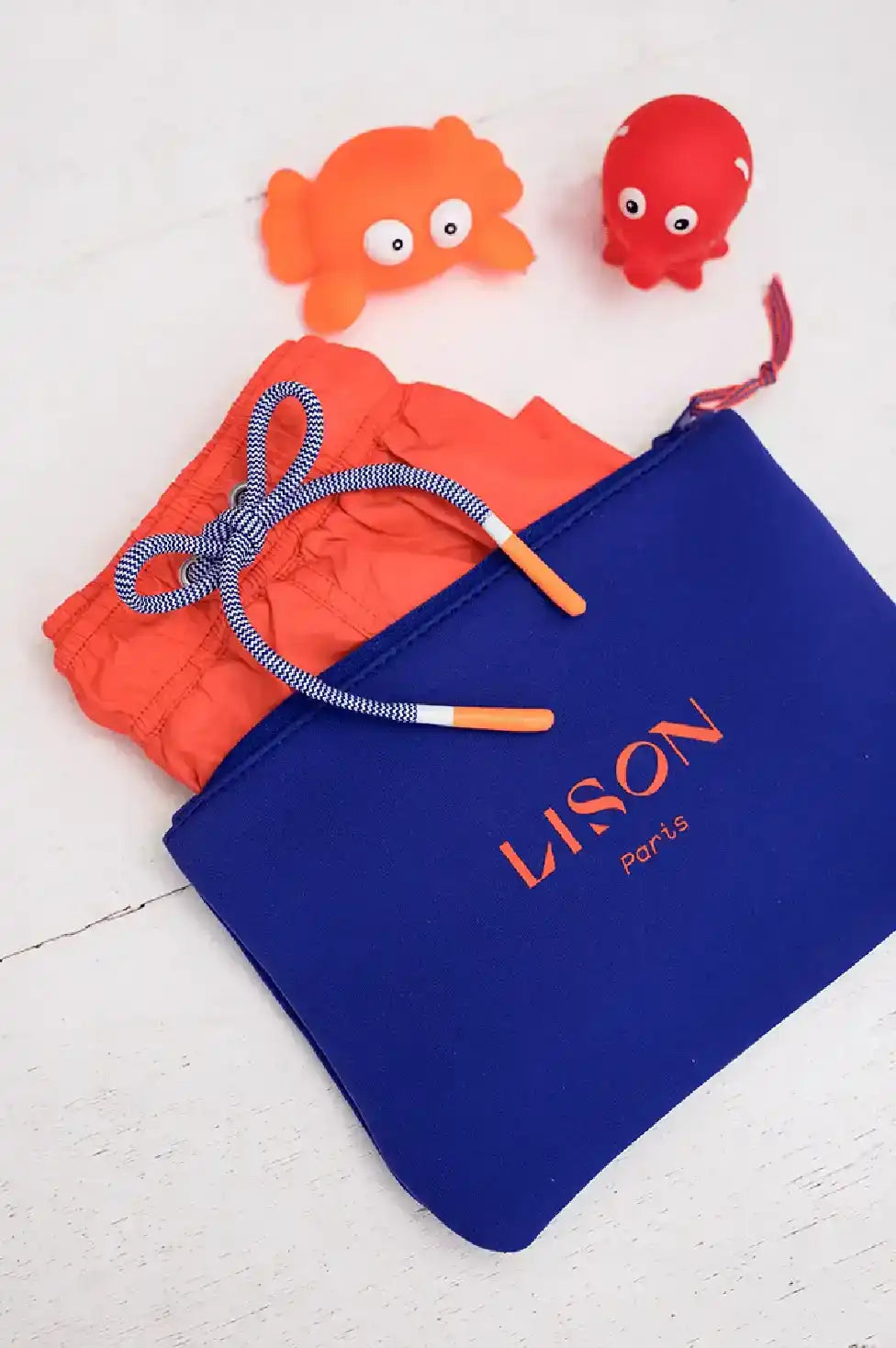
Baby rash guard for safe swimming
A baby rash guard provides essential sun protection while keeping little ones comfortable in and out of the water. These swim shirts block harmful UV rays with UPF 50+ certification, shielding delicate skin from sunburn during beach days or pool time. Designed for active babies, they move with the body and dry quickly to prevent irritation.
Choosing the right swimwear for kids means balancing safety with comfort. A well-fitted rash guard stays in place during play, reducing the need for frequent sunscreen reapplication. Soft, breathable fabrics prevent chafing, while flatlock seams avoid rubbing against sensitive skin. Many parents pair them with swim shorts for full coverage.
Why UPF 50 protection matters for babies
UPF 50 protection filters 98% of the sun’s UVA and UVB rays, offering far more defense than regular clothing. Baby skin is thinner and more vulnerable to sun damage, which can lead to long-term risks. A certified rash guard acts as a physical barrier, reducing reliance on sunscreen alone.
In practice, parents often overlook how quickly babies can burn, even on cloudy days. A rash guard with long sleeves covers the arms, neck, and torso—areas most exposed during water play. Look for labels indicating UPF 50+ to ensure the fabric meets international safety standards. Some brands, like Lison Paris, also use eco-friendly dyes that maintain UV resistance without harsh chemicals.
During a recent beach trip, a mother noticed her 18-month-old’s rash guard stayed dry and comfortable after hours in the water. The fabric didn’t cling or restrict movement, allowing the child to crawl and splash freely. This kind of real-world performance makes UPF-rated swimwear a practical choice for families.
How to choose the right fit for your child
The best rash guards fit snugly without restricting movement. A too-loose shirt can ride up, exposing skin to the sun, while a tight fit may cause discomfort. Measure your baby’s chest and waist, then compare with the brand’s size chart. Most brands offer sizes from 6 months to 4 years, with adjustable features like elastic hems or snap closures.
Fabric matters just as much as size. Lightweight, chlorine-resistant materials like polyester or nylon blends hold up to repeated use. Avoid stiff fabrics that chafe or retain water, as they can make babies fussy. Some parents prefer rash guards with built-in swim shorts baby styles for added coverage, especially for toddlers who refuse separate bottoms.
A common mistake is assuming all rash guards provide equal protection. Some cheaper options lose their UPF rating after a few washes. Always check for certifications like Oeko-Tex, which guarantees the fabric is free from harmful substances. Brands like Lison Paris test their materials rigorously to ensure safety and durability.
Styling and pairing baby rash guards
Rash guards come in a variety of colors and prints, making it easy to match them with other swimwear. For boys, a rash guard pairs well with a baby boy swimsuit or swim trunks for a coordinated look. Girls’ options include one-piece swimsuits with built-in rash guard tops or separate shirts with ruffles or bows.
For added sun protection, consider a rash guard with a high neckline or thumbholes to cover the hands. Some designs include hoods for extra neck and ear coverage. If your baby dislikes hats, a hooded rash guard can be a practical alternative. Pair it with swim leggings or a boys rash guard for full-body protection during extended outdoor play.
Layering is another smart strategy. A rash guard over a one-piece swimsuit adds an extra UV barrier without bulk. For cooler days, a lightweight rash guard can double as a cover-up, keeping babies warm between dips in the water. Always pack a spare—sand, saltwater, and sunscreen can wear out fabrics faster than expected.
FAQ about baby rash guards
What is the difference between UPF and SPF?
UPF measures how much UV radiation a fabric blocks, while SPF applies to sunscreen. A UPF 50 rash guard blocks 98% of UV rays, whereas SPF 50 sunscreen must be reapplied every two hours. Fabrics with UPF certification maintain their protective qualities even when wet.
How do I wash a baby rash guard?
Rinse the rash guard in fresh water after each use to remove chlorine, salt, or sand. Machine wash in cold water with mild detergent, then air dry. Avoid fabric softeners, as they can break down the UV-protective coating. Store it flat to prevent stretching.
Can babies wear rash guards in the pool?
Yes, rash guards are designed for water use. Their quick-drying fabric prevents chafing and keeps babies comfortable. Look for chlorine-resistant materials if your child swims frequently. Always check the care label to ensure the garment is pool-safe.
Are rash guards necessary for babies with dark skin?
Yes, all skin tones are vulnerable to UV damage. While darker skin has more natural melanin, it can still burn. A rash guard provides consistent protection, especially for babies who spend long periods outdoors. It also reduces the need for sunscreen on covered areas.
How long do rash guards last?
With proper care, a high-quality rash guard lasts 1-2 swim seasons. Signs of wear include faded fabric, stretched seams, or a loose fit. Replace it if the UPF rating is no longer visible on the label. Frequent exposure to chlorine or saltwater can shorten its lifespan.

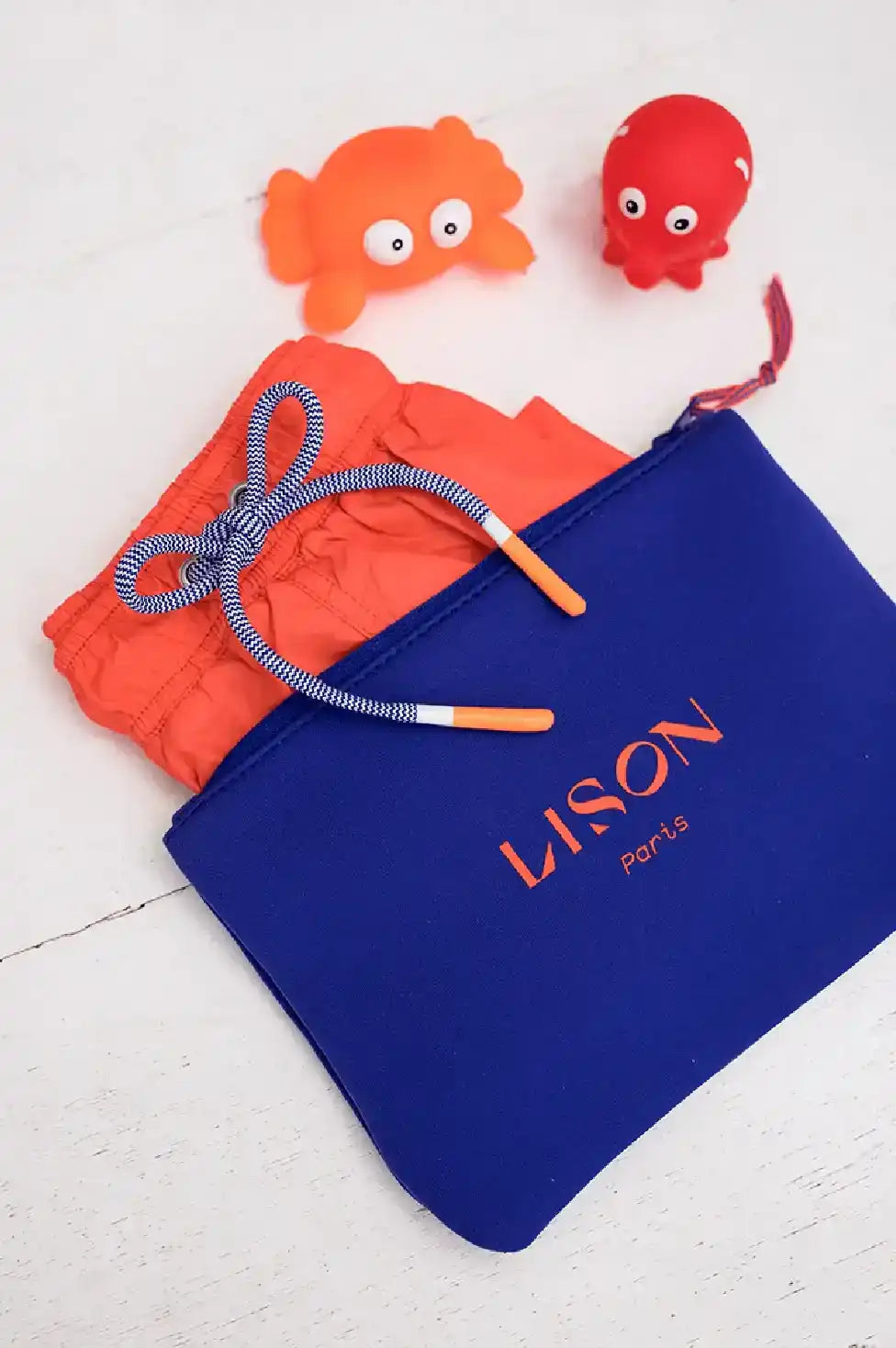
A FREE POUCH
with your order

FREE EXCHANGE
within 30 days

FREE DELIVERY
in France

SECURE PAYMENT
CB - Visa - Mastercard - Paypal